Why Pumpkins Don’t Grow (and How to Fix It)
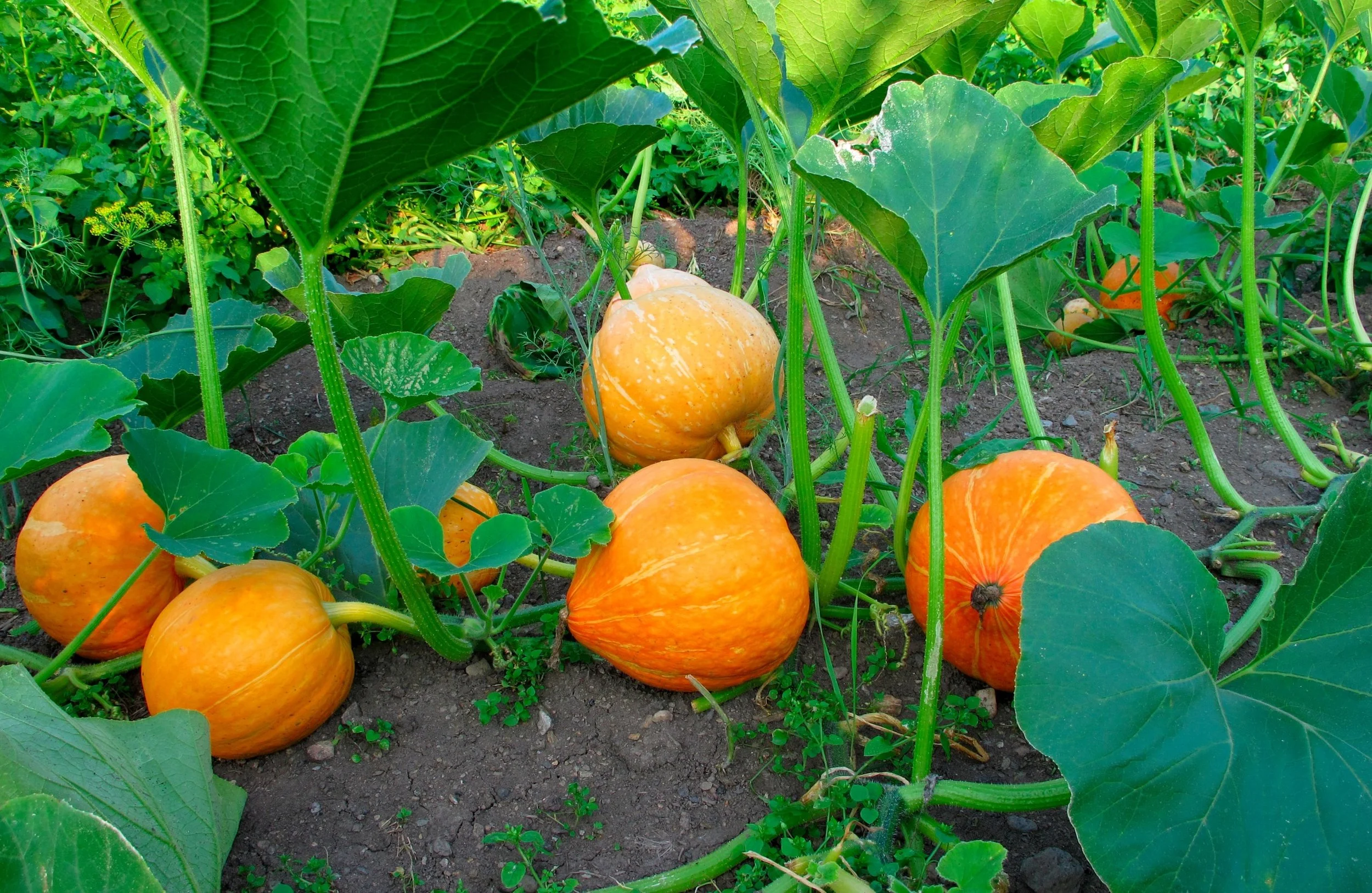
Pumpkins usually grow fast in a warm summer, so it's frustrating when yours sit still, flower without fruiting, or produce tiny pumpkins that rot before they get going. The good news is that almost every pumpkin problem comes down to a handful of causes. Most can be fixed this season or avoided next year.
Find the symptom that matches your plant, then read the fix.
Quick answer
The most common reasons pumpkins don't grow are cold (planting out too early or a cool summer), poor pollination (so small fruits wither and drop), not enough water or food, and too little sun. Slugs can also damage young plants. Plant out only when nights are reliably mild, grow in rich soil in full sun, water deeply as fruits swell, and hand pollinate if fruits keep failing.
Diagnose the problem
Plant hasn't grown since planting out: see "Cold weather and planting too early".
Lots of flowers but no pumpkins: see "Only male flowers".
Small pumpkins turn yellow, go soft and drop off: see "Poor pollination".
Plant is growing but pumpkins stay small: see "Not enough water" and "Hungry soil".
White powder on the leaves: see "Powdery mildew".
Leaves mottled yellow and plant stunted: see "Virus".
Seedlings or young plants chewed or vanished: see "Slugs and snails".
Cold weather and planting too early
Pumpkins are tender plants from warm climates. If they're planted out while nights are still chilly, they often stop growing for weeks, turn pale and may never catch up. A cool, dull summer has the same effect later in the season.
Fix it: wait until nights are reliably mild. That's usually from late May in the south to early or mid-June further north. Harden plants off gradually, and keep fleece handy for cold nights. Choosing the warmest, most sheltered spot in the garden makes a big difference in a poor summer.
Regional dates are in when to plant pumpkins in the UK
Only male flowers
Pumpkin plants have two kinds of flower. Male flowers sit on thin stalks, while female flowers have a tiny, round pumpkin just behind the petals. It's normal for young plants to produce mostly male flowers at first, with the females following later.
If you're still seeing only male flowers by midsummer, the plant is usually stressed.
Fix it: keep plants well watered, make sure they're in full sun rather than shade, and protect them with fleece during cold spells. Patience helps too, as female flowers often appear in a rush once the plant is growing strongly.
Poor pollination
A female flower needs pollen from a male flower, usually carried by bees, before its baby pumpkin can grow. If that doesn't happen, the small fruit turns yellow, softens and falls off. This is common in cool, wet or windy weather, when few insects are flying.
Fix it: pollinate by hand. On a dry morning, when the flowers are fully open, pick a male flower and gently pull off its petals to expose the pollen-covered centre. Dab it onto the middle of an open female flower. One male flower can pollinate two or three females. Growing flowers such as marigolds, borage or cosmos nearby also helps attract bees.
Plants too young to carry fruit
Early fruits sometimes rot because the plant simply isn't big enough to support them yet. Once the plant has more leaves and a bigger root system, later fruits usually develop normally.
Fix it: don't worry about the first one or two failures. Keep the plant watered and fed, and more fruits will follow.
Not enough water
Pumpkins are thirsty, and dry soil causes small fruits, fewer fruits forming and early mildew. Plants in pots or light, sandy soil suffer most.
Fix it: water deeply and regularly, particularly once fruits are swelling. Aim at the soil, not the leaves, and mulch around the plant to hold moisture in. Sink an empty pot into the soil beside each plant and fill it when you water, so the water goes straight to the roots. There's a full routine in how often to water pumpkins
Hungry soil
Pumpkins need rich soil to grow big leaves and big fruits. In poor, thin soil, plants stay small and produce little.
Fix it: next time, enrich each planting hole with a couple of spadefuls of rotted manure or homemade compost. For plants already in the ground that look pale and weak, give them tomato feed every fortnight once pumpkins start forming. More on improving soil is in best soil for vegetable gardening in the UK
Too much shade
Pumpkins need full sun to flower well and ripen their fruits. In a shady spot, plants grow tall and weak, produce fewer female flowers and ripen slowly.
Fix it: next year, pick the sunniest place you have. This season, trim back any leaves or nearby plants that shade developing fruits.
Powdery mildew
A white, powdery coating on the leaves usually appears in late summer. It's mostly caused by the plant being short of water, and it weakens the leaves, so fruits may ripen poorly.
Fix it: water regularly in dry spells, mulch to keep moisture in, and avoid wetting the leaves. Space plants so air can move between them. Late in the season, when fruits are nearly ripe, a little mildew does limited harm. Mildew-resistant varieties are worth trying next year.
Virus
Yellow mottled leaves, twisted growth and a stunted plant may be a sign of cucumber mosaic virus, which is spread by aphids. There's no cure.
Fix it: remove affected plants so the virus doesn't spread to others. Next year, look for resistant varieties.
Slugs and snails
Slugs and snails love young pumpkin plants and can strip or destroy them overnight. Established plants cope much better.
Fix it: protect young plants until they're growing strongly, and check them after dark on damp evenings. Raising plants indoors until they're sturdy gives them a better chance.
Pumpkins rotting on the ground
Fruits sitting on damp soil can rot from underneath before they ripen.
Fix it: once fruits reach a good size, slip a tile, a brick or a piece of board underneath each one.
Pumpkins in containers
Plants in pots are more likely to run short of water and food, which leads to poor growth and failed fruits. Choose a pot 45 cm or wider, check whether it needs water every day in summer, and feed every couple of weeks once pumpkins start to form. See growing pumpkins in containers
Our full guide, how to grow pumpkins in the UK, covers the whole season. When your fruits are ready, when to harvest pumpkins explains how to cut and store them.
Common questions
Why are my pumpkin plants flowering but not producing pumpkins?
Young plants often produce only male flowers at first. If female flowers (with a tiny pumpkin behind them) appear but the fruit shrivels, pollination has failed. Hand pollinate on a dry morning using a male flower.
Why are my baby pumpkins turning yellow and falling off?
It's usually poor pollination, often in cool or wet weather when few bees are about. The plant may also be too young, or short of water and food.
How do I hand pollinate pumpkins?
Pick a male flower, remove its petals, and gently dab the pollen-covered centre onto the middle of an open female flower. Do it in the morning when the flowers are open.
Why has my pumpkin plant stopped growing?
The most common cause is cold. Pumpkins stop growing if they're planted out before nights are mild or during a cool spell. Protect them with fleece and keep them watered, and they usually recover once the weather warms.
Causes and remedies based on RHS guidance.