How to Grow Pumpkins in the UK
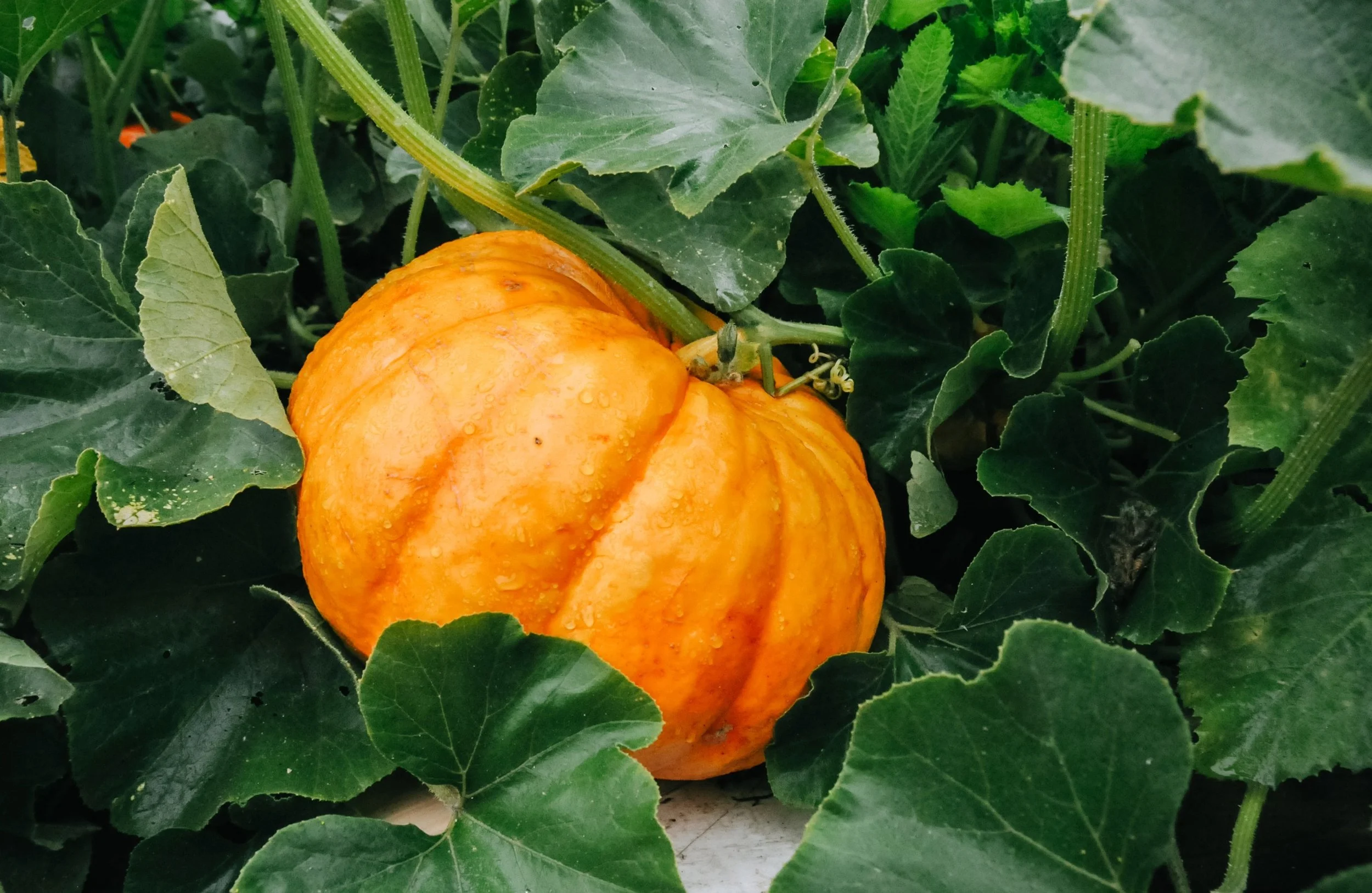
Few crops give you as much for as little effort as a pumpkin. A single seed can grow into a plant that fills a corner of the garden with huge leaves and trailing stems, and by the end of summer you'll have a pile of bright fruits for cooking, storing and carving. Pumpkins need warmth, space and plenty of food and water, but they're not difficult once you know what they like.
Quick facts
Sow indoors: mid to late April
Plant out or sow outside: late May to early June, after the last frost
Spacing: 90 cm for bush types, 1.5 m for trailing types
Position: full sun, sheltered, in rich soil that holds moisture
Harvest: September to October, before the first frost
Storage: three to six months once cured
Choosing a pumpkin variety
Pumpkins range from tiny ornamental fruits to giants that can weigh more than a person. Pick according to what you want them for and how much room you have.
Small pumpkins such as 'Jack be Little' produce lots of ribbed, palm-sized fruits and suit smaller gardens and pots.
Medium, all-purpose pumpkins such as 'Cargo' (around 6–10 kg) are good for carving and keep well. 'Charmant' (around 6–8 kg) has good resistance to mildew.
Giant pumpkins such as 'Atlantic Giant' and 'Hundredweight' are for gardeners with lots of space who fancy a challenge.
Bush varieties stay fairly compact. Trailing varieties send long stems across the ground and need far more room.
When to sow
Pumpkins can't cope with frost or cold soil, so timing matters. Most gardeners start seeds on a windowsill in the second half of April, then move the young plants outside once the frosts have finished, at the end of spring. You can also sow straight into warmed soil at that time.
For detailed timings, indoor sowing steps and regional dates, see when to plant pumpkins in the UK
Soil and position
Pumpkins are hungry, thirsty plants, and the better the soil, the bigger the crop. They grow best in:
a warm, sunny spot
shelter from strong winds
rich soil that holds moisture but doesn't become waterlogged
A week or two before planting, prepare each planting spot. Dig a hole roughly 30 cm across, mix the soil you took out with plenty of well-rotted manure or homemade compost, and put it back. If you follow a no-dig approach, spread a thick layer of compost on the surface instead.
Many gardeners grow pumpkins on or beside the compost heap, where the soil is rich and damp. Soil preparation is covered in more depth in best soil for vegetable gardening in the UK
Planting out
Harden off indoor-raised plants for a couple of weeks before planting them out, so they can get used to outdoor conditions. Then plant them at the same depth they were in their pots, and water them in well.
Bush varieties: allow roughly 90 cm between plants.
Trailing varieties: leave about 1.5 m, since their long stems can cover a lot of ground.
Cover young plants with fleece if a cold night is forecast, and watch out for slugs, which love the soft young leaves.
Watering
Pumpkins use a lot of water, especially once the fruits start to swell. A useful trick is to sink an empty 15 cm plant pot into the soil next to each plant when you plant it. Fill the pot when you water, so the water soaks down to the roots instead of running off across the surface.
Water in the morning or evening, aim at the soil rather than the leaves, and use water from a water butt if you have one. Our watering schedule is in how often to water pumpkins
Mulching and feeding
After planting, spread a thick mulch of compost or well-rotted manure around each plant to hold in moisture and smother weeds. Keep it a few centimetres away from the stem itself, as a damp stem base can rot.
Pumpkins in rich, well-prepared soil usually don't need extra feeding. The exceptions are plants in containers and anyone hoping for extra-large fruits. In those cases, give a high-potash liquid feed, such as tomato feed, every 10–14 days once the fruits have started to swell.
Training and caring for plants
Trailing stems can be left to wander, or you can guide them into a loose circle around the plant with a few canes to keep things tidy. Larger fruits should always be left on the ground rather than trained upwards.
Once a fruit is about the size of a grapefruit, rest it on a roof tile, brick or piece of board. This keeps it off damp soil and helps prevent rot.
If you want a really big pumpkin, choose the best fruit on each plant and remove any others, along with any new flowers that follow. The plant then puts all its energy into that one fruit.
Growing pumpkins in containers
Smaller varieties can be grown in a grow bag or a large container at least 45 cm wide, with one plant in each. Container pumpkins need more frequent watering and regular feeding. See growing pumpkins in containers
Harvesting and storing
Pumpkins are ready in September and October when the skin is hard, the colour is deep and the stalk starts to turn woody. Cut them with a long stalk, cure them in the sun for 7–10 days, then store them somewhere cool, dry and airy, at around 10–15°C. Stored well, they last from three months up to about six.
For ripeness checks, curing and storing, see when to harvest pumpkins
Common problems
White powder on the leaves: this is powdery mildew, which is common late in summer, especially in dry weather. Keep plants well watered and choose resistant varieties.
Seedlings or young plants eaten: slugs and snails are the usual culprits. Protect plants until they're growing strongly.
Plants stop growing after planting out: this is usually a sign of cold nights. Protect them with fleece and be patient.
Fruits rotting underneath: they're sitting on wet soil. Raise them on a tile or board.
Few or no fruits: this is often caused by a cool, dull summer or not enough water.
See why pumpkins don't grow for more.
Common questions
Are pumpkins easy to grow in the UK?
Yes, as long as you give them warmth, sun, space and rich soil. The main thing is to wait until frosts are over before planting them outside.
How much space do pumpkins need?
Bush types need about 90 cm between plants. Trailing types need around 1.5 m, as their stems spread widely.
Do pumpkins need feeding?
Not usually, if the soil has been well prepared with compost or manure. Feed plants in containers, or those grown for giant fruits, with a high-potash liquid feed every 10–14 days once the fruits start to swell.
How many pumpkins do you get from one plant?
It depends on the variety. Small types can produce lots of fruits, while larger pumpkins usually give only a few. For a giant pumpkin, leave just one fruit on the plant.
Varieties, spacing and plant care based on RHS guidance.