When to Harvest Pumpkins
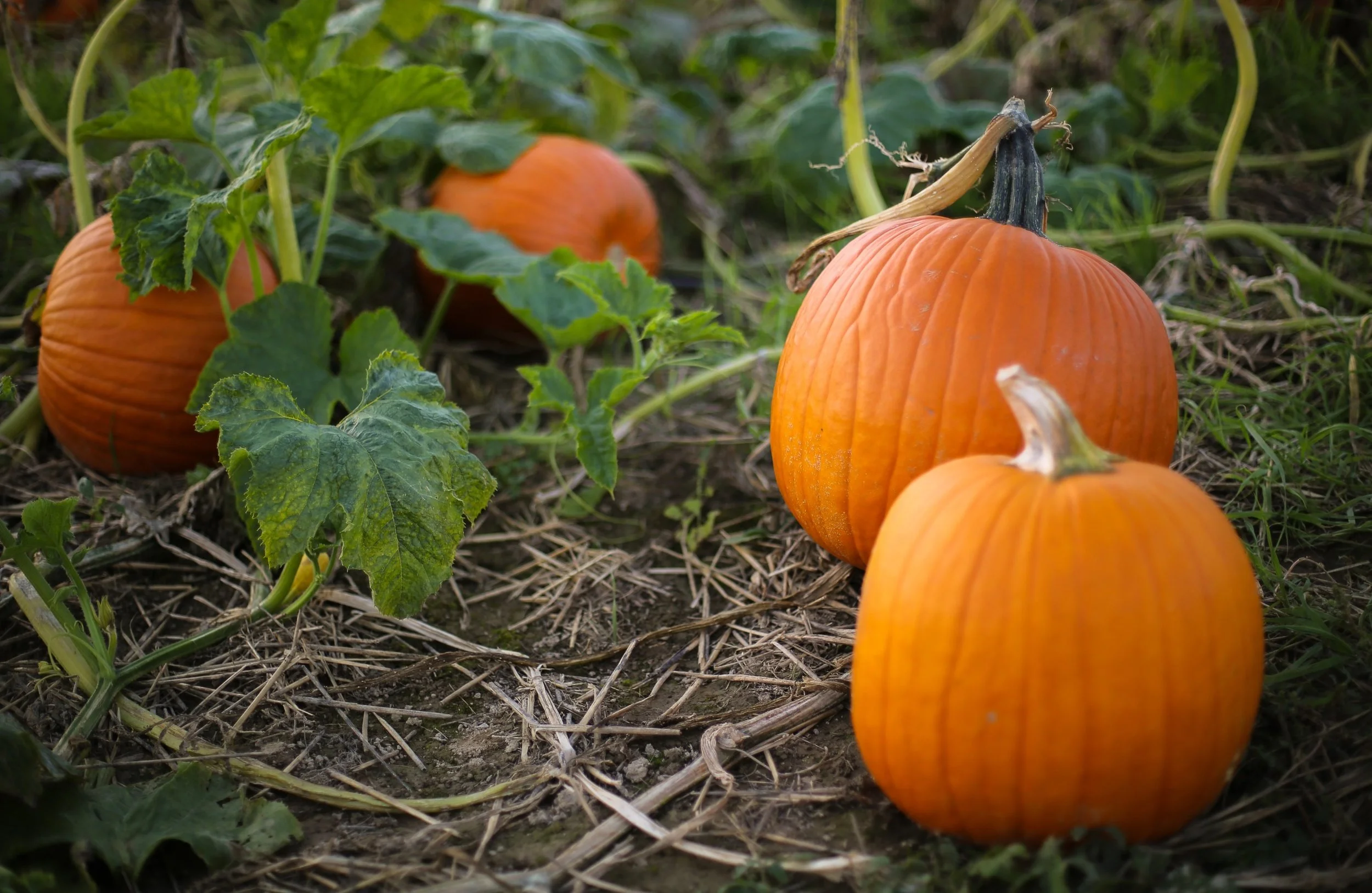
There's nothing quite like cutting your own pumpkins in autumn. But timing matters: a pumpkin picked too early won't keep, and one left out in a frost can turn soft and rot within weeks. With a few simple checks, you can tell exactly when yours are ready.
Quick answer
Pumpkins are usually ready in September and October, and should be brought in before the first frost. A ripe pumpkin has a hard skin that your fingernail can't easily dent, a deep, even colour and a stalk that's turning dry and woody. When you harvest, keep 10 cm or more of stalk, and leave the pumpkin in the sun for 7–10 days to harden before you store it.
When are pumpkins ready in the UK?
If your plants went out at the usual time, around the end of spring, expect fruits to ripen from early September through to late October. Exactly when depends on the variety, how warm the summer has been and how sunny your plot is. Small varieties tend to ripen first, while giant types take the longest.
The one firm deadline is the first frost. Frost damages the skin, and a frosted pumpkin soon goes soft and rots. In much of the UK, the first frosts arrive in October or November, and earlier in cold, northern or high gardens. Keep an eye on the forecast from late September.
How to tell a pumpkin is ripe
Look for several of these signs:
The colour is deep and even all over, with no green patches (unless the variety is naturally green or pale).
The skin is hard. Press a fingernail into it. If it leaves no mark, or only a faint one, the pumpkin is mature.
It sounds hollow. Tap it with your knuckles and listen for a dull, hollow knock.
The stalk is drying out. It turns woody and may start to crack.
The leaves are dying back. As the season ends, the leaves turn yellow and wither, which also makes the fruits easier to see.
If a pumpkin passes the fingernail test and the stalk is hardening, it's ready to cut.
Helping pumpkins ripen
As autumn approaches, you can help ripening fruits along:
Let the sun in. Trim away any big leaves that shade the fruits.
Lift them off wet soil. Slide a tile, a piece of wood or a pad of straw underneath to stop the base rotting.
Turn them gently now and then so the underside colours up too, taking care not to twist the stalk.
Water less once the fruits are full size, as they no longer need much.
How to harvest pumpkins
Wait for dry weather if possible, so the fruits aren't damp when they come in.
Cut, don't pull. Use sharp secateurs, loppers or a knife to cut through the stalk.
Keep a long stalk. Leave 10 cm or more of stalk on each fruit. A short stalk lets rot in where it joins the fruit.
Carry it by the body, never by the stalk. If the stalk snaps off, use that pumpkin first.
Handle gently. Bruised or scratched pumpkins spoil quickly in storage.
Curing pumpkins so they last
Curing hardens the skin, heals small scratches and helps pumpkins keep for months. After cutting, leave them somewhere sunny and dry for 7–10 days. In a warm, dry spell, they can stay outside. If the weather turns wet or cold, move them into a greenhouse, porch or sunny windowsill instead.
The skin should become noticeably tougher. Pumpkins you're carving for Halloween don't need a long cure, but it still helps them last until the big night.
Storing pumpkins
Once cured, store pumpkins somewhere cool, dry and well ventilated, ideally at 10–15°C. A spare room, garage or shed that stays frost-free works well. Set them on shelves or slatted racks, spaced so they don't touch, and check them every few weeks for soft spots.
Stored like this, a well-cured pumpkin will keep for at least three months, and often closer to six. Eat or cook any that show signs of softening straight away.
What if frost is forecast and they're not ripe?
Harvest them anyway. A pumpkin that's close to ripe can finish colouring on a sunny windowsill or in a greenhouse. Very immature, green fruits won't ripen properly and won't store well, but you can still cook and eat them soon.
If a light frost is forecast and your pumpkins are nearly ready, you can buy a few more days by covering the plants with fleece overnight.
Pumpkins for Halloween
For carving, it's fine to harvest a little before Halloween, then cure and keep the pumpkin in a cool, dry spot until you need it. Once carved, a pumpkin only lasts a few days, so carve it close to the night.
Harvesting pumpkins grown in pots
Container plants are harvested in exactly the same way. They usually produce fewer, smaller fruits, and they may ripen a little earlier. Our pot-growing advice is in growing pumpkins in containers.
For timing next year, see when to plant pumpkins in the UK. Everything from sowing to storing is in how to grow pumpkins in the UK. If your plants didn't produce much this year, why pumpkins don't grow explains the usual causes.
Common questions
When should I harvest pumpkins in the UK?
Usually in September and October, once the skin is hard and the colour is deep. Get them indoors before the first frost.
How do I know when a pumpkin is ripe?
The skin resists a fingernail, the colour is even, the pumpkin sounds hollow when tapped and the stalk is turning dry and woody.
How much stalk should I leave on a pumpkin?
At least 10 cm. A long stalk helps stop rot getting in and makes the pumpkin store better.
Will pumpkins ripen after picking?
Pumpkins that are nearly ripe can finish colouring in a sunny, dry spot indoors. Very green, immature fruits won't ripen properly and should be eaten soon.
How long do pumpkins keep after harvesting?
Cured and stored at 10–15°C with good airflow, pumpkins usually keep for three to six months.
Harvesting, curing and storage advice based on RHS guidance.