Why Cabbage Doesn’t Form Heads (and How to Fix It)
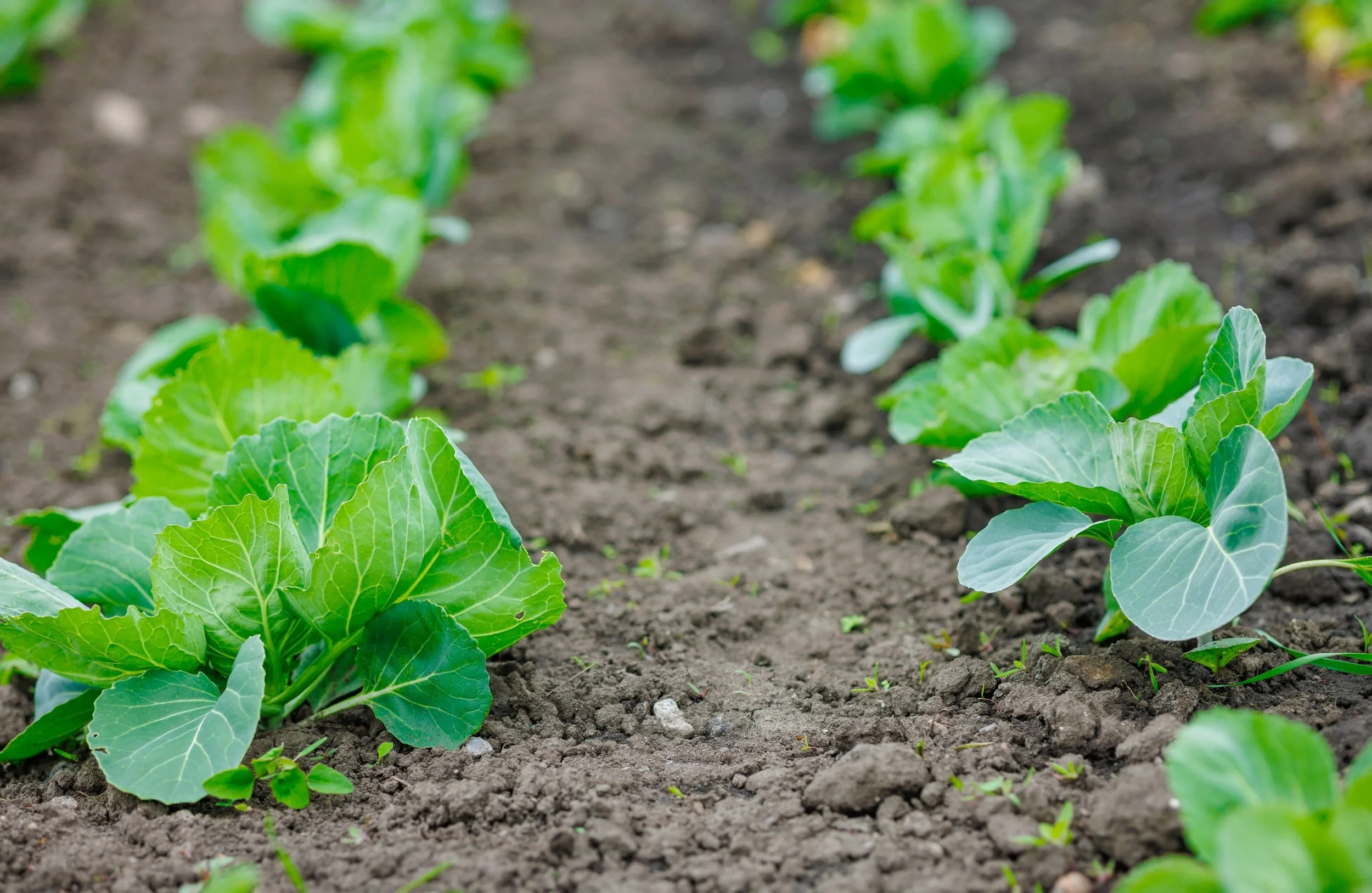
Cabbages that grow plenty of leaves but never make a solid heart are one of the most common vegetable garden disappointments. The plant looks healthy, but when you part the leaves there's nothing in the middle but more leaves. In most cases the cause is in the soil, the planting or the timing, and it's easy to put right for next time.
Quick answer
Cabbages usually fail to heart because the soil is too loose, the plants weren't set deep and firm, they're too crowded, or they ran short of food or water just as the heads should be forming. Plant into firm, well-fed soil, bury the stem up to the bottom leaves, space plants 30–45 cm apart, and water well in dry spells once the hearts start to form. Also check the type: spring cabbages cut young are meant to be loose greens, and some varieties only ever make a loose heart.
What's wrong with your cabbage?
Lots of big leaves, no heart: see "Loose soil", "Planted too shallow" and "Hungry soil".
Small plants with small, loose heads: see "Too crowded" and "Dry soil as heads form".
Plants stopped growing and wilt on warm days: see "Root damage".
Centre of the plant eaten or missing: see "Pests in the heart".
Plants still leafy in late summer: see "Not ready yet" and "Wrong type for the season".
Loose soil
Cabbages need firm ground to build a tight heart. In freshly dug, fluffy soil the roots can't grip, and the plant puts its energy into loose leaves instead.
Fix it: dig compost into the bed the autumn before planting and let it settle over winter. If you dig just before planting, tread the whole bed down with your weight on your heels, then rake the top level. For more on preparing beds, see best soil for vegetable gardening in the UK
Planted too shallow
A cabbage set at the same depth it grew in the tray sits high on a thin stem. It rocks in the wind, the roots loosen and heading suffers.
Fix it: when planting out, bury the stem so the bottom leaves are just above the soil. Press the soil down hard around each plant. A firm tug on a leaf should tear the leaf rather than lift the plant.
Too crowded
Crowded cabbages compete for light, water and food, and none of them get enough to make a proper heart.
Fix it: space compact varieties about 30 cm apart and larger ones up to 45 cm. Spring cabbages can start 10 cm apart, but thin them to 30 cm in February or March and eat the thinnings as spring greens.
Hungry soil
Cabbages are heavy feeders. In thin, poor soil they stay small and leafy and never bulk up in the middle.
Fix it: add around two buckets of garden compost per square metre before planting. On poor ground, give a nitrogen-rich feed once plants have settled in, before the hearts start forming. Spring cabbages benefit from a feed as growth restarts in early spring.
Dry soil as heads form
Cabbages can get by on little water for much of their life, but the heart is mostly water. A dry spell just as it starts to form leaves you with small, loose heads.
Fix it: in dry weather, give the bed a thorough soak about every 10 days, and water more generously once the hearts start to form. A mulch of compost helps hold the moisture in. For the full routine, see how often to water cabbage
A check in growth after planting
Young plants that are moved without hardening off, or planted into dry soil, can stall for weeks. Some never fully recover and go on to make poor heads.
Fix it: harden off indoor-raised plants for a week or two, water them the day before moving, and plant out when they're 10–15 cm tall with five or six true leaves. For more on hardening off, see how to harden off seedlings
Root damage
Plants that stop growing and flop on warm days often have a problem underground. Cabbage root fly maggots eat the fine roots of young plants. Clubroot makes the roots swell into knobbly lumps that can't take up water properly.
Fix it: cover plants with fine insect-proof mesh from planting out to keep root fly away. For clubroot, grow cabbages in a different bed each year, lime acid soil to raise the pH above 6, and raise plants in modules so they go out with a strong root system. Clubroot-resistant varieties are also available.
Pests in the heart
The heart forms from the very centre of the plant. If caterpillars or pigeons damage that growing point, the plant can't make a proper head.
Fix it: keep cabbages under fine mesh on hoops from planting out. It keeps off pigeons, cabbage white butterflies and moths in one go.
Not ready yet
Cabbages take about four to six months from sowing to form a full head. Plants often look big and leafy for weeks before the heart starts to firm up.
Fix it: check the sowing date and the type before worrying. Gently press the centre of the plant: if it feels solid, a heart is forming. For signs a head is ready, see when to harvest cabbage
Wrong type for the season
Each type of cabbage is bred to heart at a certain time of year. Sown outside its window, it may stay leafy. Some types are also meant to be loose: spring cabbages cut young are spring greens, and varieties such as 'Winterjewel' only ever form loose hearts.
Fix it: match the type to the season. Sow summer cabbages from late winter to mid-spring, autumn and winter cabbages from April to June, and spring cabbages in July. For timings by type, see when to plant cabbage in the UK
Cabbages in containers
Pot-grown cabbages dry out and run out of food faster than those in the ground, which makes small or loose heads more likely. Choose a compact variety, give each plant a large, deep pot and water regularly. For more detail, see growing cabbage in containers
For the whole growing season, see how to grow cabbage in the UK. For related crops, see why broccoli doesn't form heads and why cauliflower doesn't form heads
Common questions
Why is my cabbage all leaves and no head?
Usually because the soil was too loose, the plant was set too shallow or the soil is short of food. Plant deep into firm, well-fed soil next time, and give a nitrogen feed before the hearts start forming.
Will my cabbage still form a head?
If the plant is still young and growing, yes. Water it well in dry weather and feed it if your soil is poor. If it's well past its expected cutting time with no sign of a heart, pick the leaves as greens instead.
Why are my cabbage heads small and loose?
Crowding and dry soil are the usual causes. Space plants 30–45 cm apart and water generously once the hearts begin to form.
Do cabbages need feeding to form heads?
In rich soil they rarely need extra feed. On poor ground, a nitrogen-rich feed after the plants settle in, before heading starts, gives them what they need to bulk up.
Spacing, soil, feeding, watering, pests and diseases based on RHS guidance.