When to Harvest Cabbage
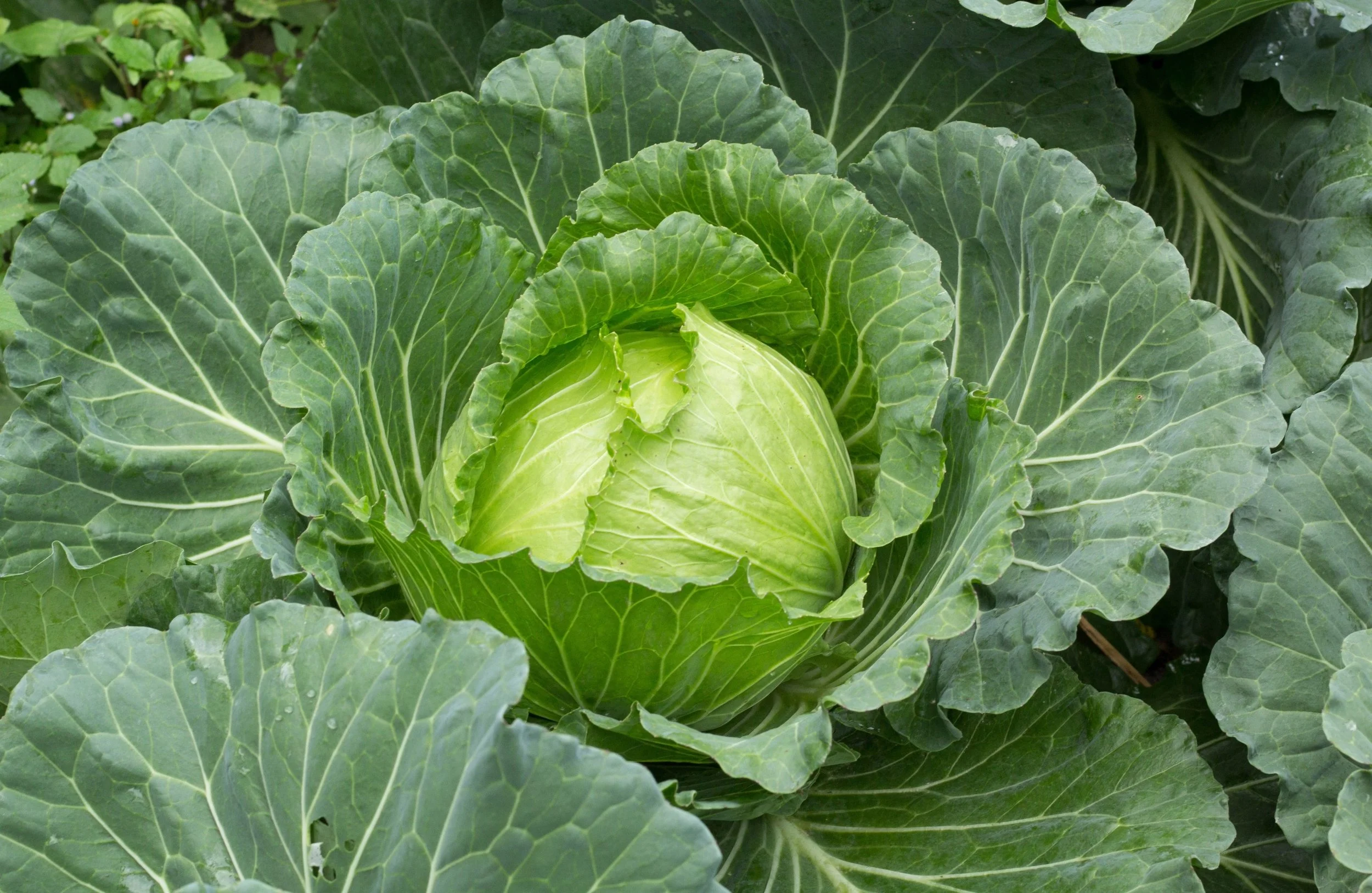
With the right mix of varieties, you can be cutting homegrown cabbages in almost every month of the year. The trick is knowing which type you're growing, because a spring cabbage and a winter Savoy are ready at very different times, and they're treated a little differently once they are.
Quick answer
A cabbage is ready when its head feels solid all the way through and has reached a size you're happy with. Most take four to six months from sowing. When that happens depends on the type: spring cabbages in spring, summer types through the warm months and into September, autumn types before the first hard frosts, and winter cabbages such as Savoys from around November right through the cold months.
How to tell a cabbage is ready
Give the head a gentle squeeze. If it feels firm and dense, like a ball rather than a loose bundle of leaves, it's ready. If it gives under your hand, leave it another week or two.
Once it's mature, a cabbage can wait in the bed a little while, but not indefinitely. Left too long, heads can split open or start to rot, so keep checking once they firm up.
Tip: if you have a row that's all maturing together, cut every second one first. The ones left behind then have more room and can carry on bulking up.
When each type of cabbage is ready
Spring cabbage: ready around April and May. You can also pick the young, loose leaves earlier as spring greens.
Summer cabbage: ready from around June until September.
Autumn cabbage: ready in autumn, and best cut before winter sets in. Some varieties keep well once cut.
Winter cabbage: ready from around November and through winter. Think puckered Savoys, 'January King' types and tight, round drumheads in green or red.
Right now, in early autumn, autumn cabbages are coming ready, and winter types will follow from November.
Harvesting winter cabbages
Winter cabbages are some of the toughest plants in the veg patch. Savoys and 'January King' types handle hard frosts without trouble, so there's no need to cut them all at once. Leave them standing in the bed and harvest one whenever you need it. In a typical British winter, they'll hold up well until you're ready for them.
Keep them netted, though. Hungry pigeons target brassicas in winter when there's little else to eat.
How to cut a cabbage
Use a sharp knife and slice through the stalk just above soil level, under the lowest leaves of the head.
Strip off any tatty, yellowing or slug-nibbled outer leaves, which can go straight on the compost.
Check the outer layers for caterpillars before bringing the cabbage indoors.
Get a second crop from the stump
If you're growing spring or summer cabbages, you can often get a second, smaller harvest from the same plant.
When you cut the head, leave a decent length of stalk in the ground, roughly a hand's width.
Score a cross about 1 cm deep across the cut surface.
Water it well if the weather is dry.
Within a few weeks, a cluster of small, tender mini cabbages usually sprouts from the cut. When the plant has finished, dig up the stump and roots, as leaving old brassica stumps in the ground can let diseases build up in the soil.
Storing cabbages
Summer cabbages are best eaten fresh, within a week or so of cutting. Keep them cool, ideally in the fridge.
Some autumn and winter cabbages, especially firm red and white drumheads, store well. Trim off the loose outer leaves and keep the heads somewhere cool, dark and frost-free, such as a garage or shed. Check them regularly and use any that start to soften.
Harvesting cabbages grown in containers
Cabbages grown in pots are harvested in exactly the same way. Because pot-grown plants have less soil to draw on, their heads tend to be smaller, so cut them as soon as they feel firm rather than waiting for them to grow bigger.
For container advice, see growing cabbage in containers
For planting advice, see when to plant cabbage in the UK
For full growing advice, see how to grow cabbage in the UK
If your heads never firmed up, see why cabbage doesn't form heads
Common questions
Can I leave cabbages in the ground over winter?
Only winter types, such as Savoys and 'January King'. They're very hardy and can stand in the bed for weeks or months, to be cut as needed. Summer and autumn cabbages should be harvested before winter.
Why has my cabbage split?
Splitting usually happens when a mature head suddenly takes up a lot of water, often after heavy rain following a dry spell. It's also more likely when cabbages are left in the ground too long. Harvest heads soon after they firm up, and water steadily in dry weather.
Will cabbage grow back after cutting?
Spring and summer cabbages often will. Leave a stump behind, nick a cross into its cut surface and keep it watered, and a handful of mini heads usually appear within a few weeks.
How do I know when cabbage is ready?
Squeeze the head gently. If it's firm and solid right through, it's ready. A soft, loose head needs more time.
Harvest timings based on RHS guidance.