How to Grow Swiss Chard in the UK
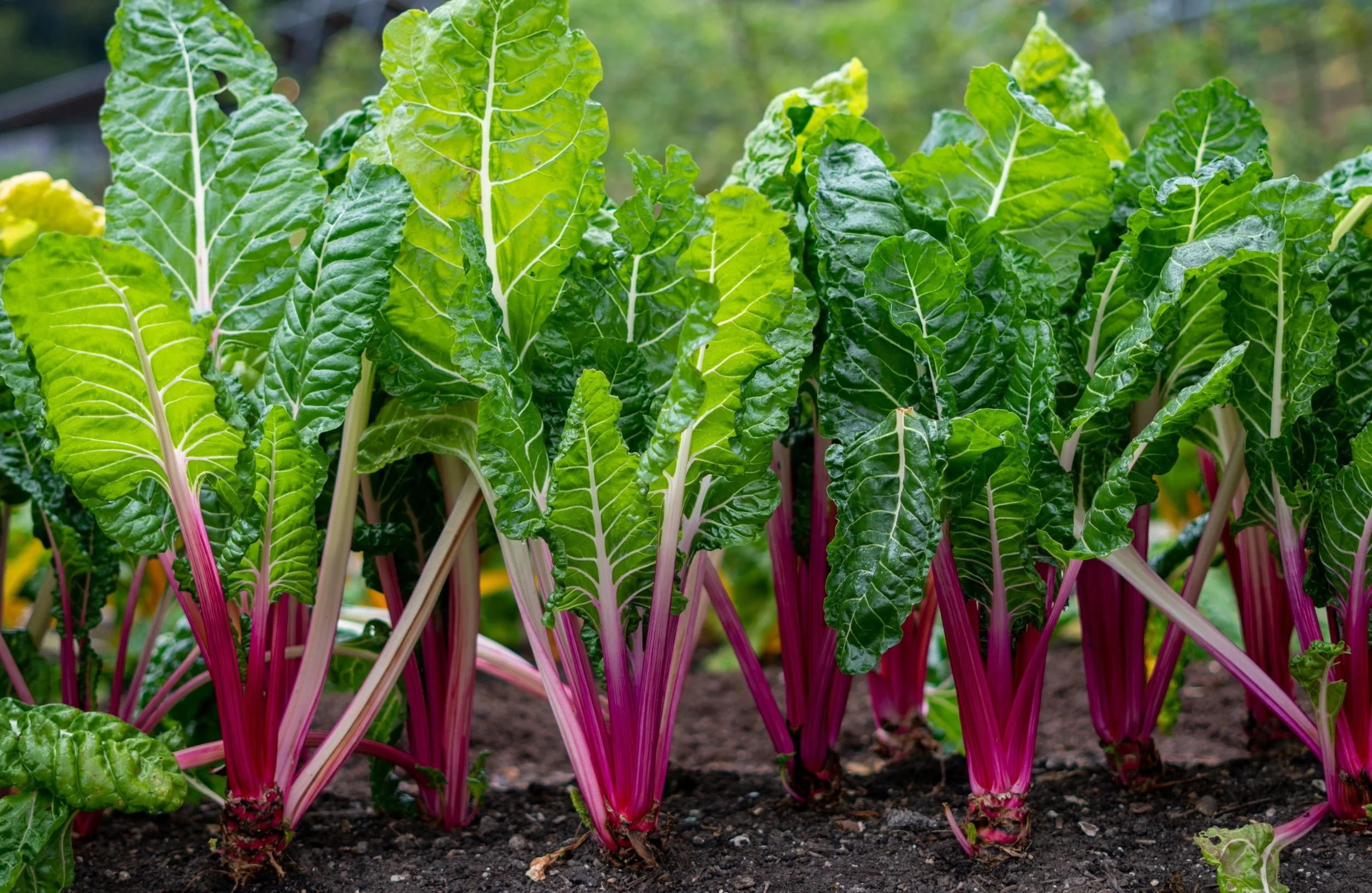
Quick facts
Sow: outdoors April to July, or indoors in modules from early spring
Spacing: 30 cm apart for full-size plants, rows 45 cm apart; 5 cm for baby leaves
Position: full sun, or light shade in summer
Harvest: from summer, through winter and into the following spring
Hardiness: survives most UK winters outdoors
Key moment: thinning the seedlings, as each seed produces a small cluster of plants
Swiss chard is one of the most rewarding crops for beginners. It grows in most soils, rarely needs feeding, and just keeps producing. A single sowing in spring or summer can give you leaves to pick for well over a year. The bright red, yellow, orange or white stalks also make it one of the prettiest vegetables in the garden.
How a Swiss chard crop runs through the year
Early spring: sow indoors in modules for an early start
April to July: sow outdoors where the plants will grow
Summer to autumn: pick outer leaves as the plants grow
Winter: plants slow down but stand outside; a cloche keeps them going
Following spring: a fresh burst of leaves, until the plants flower
For sowing times, see when to plant Swiss chard in the UK
Choosing a Swiss chard variety
These varieties hold the RHS Award of Garden Merit:
'Bright Lights': a mix of red, yellow and orange stems
'Rhubarb Chard': bright red stalks and crinkled leaves
'Charlotte': dark green leaves with red veins
'Fordhook Giant': a vigorous variety with thick white stems
White-stemmed varieties tend to be the hardiest and most productive, so they're a good choice in colder parts of the country.
Preparing the ground
Chard grows in most soils, but does best in ground that drains well and has plenty of organic matter. Before sowing, fork in a generous amount of garden compost. If you garden no-dig, spread a layer of compost at least 5 cm thick and sow into it.
Choose a sunny spot. Chard also copes with some light shade in summer, which makes it useful for corners where other crops struggle.
For more detail, see best soil for vegetable gardening in the UK and vegetables that grow in shade
Sowing Swiss chard seeds
Outdoors (April to July):
Make a drill about 2.5 cm deep and water along it.
Sow the seeds about 10 cm apart. They're large and easy to handle.
Cover with soil. For more than one row, leave 45 cm between them.
Indoors (from early spring): sow one or two seeds per module, cover with about 2.5 cm of seed compost and water well. Plant out once the seedlings are about 5 cm tall, after hardening them off.
For more detail, see how to harden off seedlings
Thinning Swiss chard seedlings
Each chard "seed" is actually a small cluster of seeds, so several seedlings usually come up at each spot. Thin them in stages as they grow, eating the thinnings as baby salad leaves:
For full-size plants: thin gradually until the plants are 30 cm apart.
For baby leaves: thin to about 5 cm apart and pick them young.
Leaving clusters unthinned gives you crowded, spindly plants that are more prone to mould in damp weather.
Watering, mulching and feeding
Water young plants regularly until they're well established. Established chard in the ground copes with short dry spells, but leaves stay more tender with steady moisture.
For more detail, see how often to water Swiss chard
A layer of garden compost around established plants helps hold moisture in. Leave a small gap around the base of the stems so they don't rot. Chard rarely needs feeding in reasonable soil.
Swiss chard in winter
Chard is hardy and survives most UK winters outdoors. Growth slows down in the cold, but plants keep a few leaves for picking. Putting a cloche over them keeps the leaves in better condition and gets them growing again sooner in spring.
Growing Swiss chard in containers
Chard grows well in pots at least 40 cm wide and 40 cm deep, filled with multi-purpose compost. Use the same spacing as in the ground, and water regularly, as pots dry out quickly.
For more detail, see growing Swiss chard in containers
Harvesting Swiss chard
Start picking baby leaves a few weeks after sowing, and full-size leaves once the plant has a good clump. Always take the outer leaves first and leave the centre to keep growing.
For more detail, see when to harvest Swiss chard
Common Swiss chard problems
Leaf miner: pale, blotchy tunnels in the leaves, caused by fly larvae. Pick off affected leaves.
Slugs, snails and birds: young seedlings can disappear overnight, especially in damp weather. For more detail, see slugs eating seedlings
Grey mould and downy mildew: fuzzy or discoloured leaves in damp, crowded conditions. Thin plants properly so air can move between them.
Flowering (bolting): a tall flower stalk, usually in hot weather or the plant's second spring. Cut it off to keep the plant cropping a little longer.
If your plants are slow to get going, see why Swiss chard doesn't grow
Common questions
Is Swiss chard easy to grow in the UK?
Yes. It grows in most soils, copes with light shade, rarely needs feeding and survives most winters outdoors. It's one of the easiest leafy crops for beginners.
When should you sow Swiss chard?
Sow outdoors from April to July, or indoors in modules from early spring. Summer sowings stand through winter and crop again the following spring.
How far apart should Swiss chard be planted?
Thin full-size plants to 30 cm apart, in rows 45 cm apart. For baby salad leaves, plants can be as close as 5 cm.
Does Swiss chard survive winter?
Yes. Swiss chard is hardy and survives most UK winters outside. White-stemmed varieties are the hardiest, and a cloche keeps the leaves in better condition.
Timings, spacing, varieties, pests and care based on RHS guidance.