Growing Cabbage in Containers
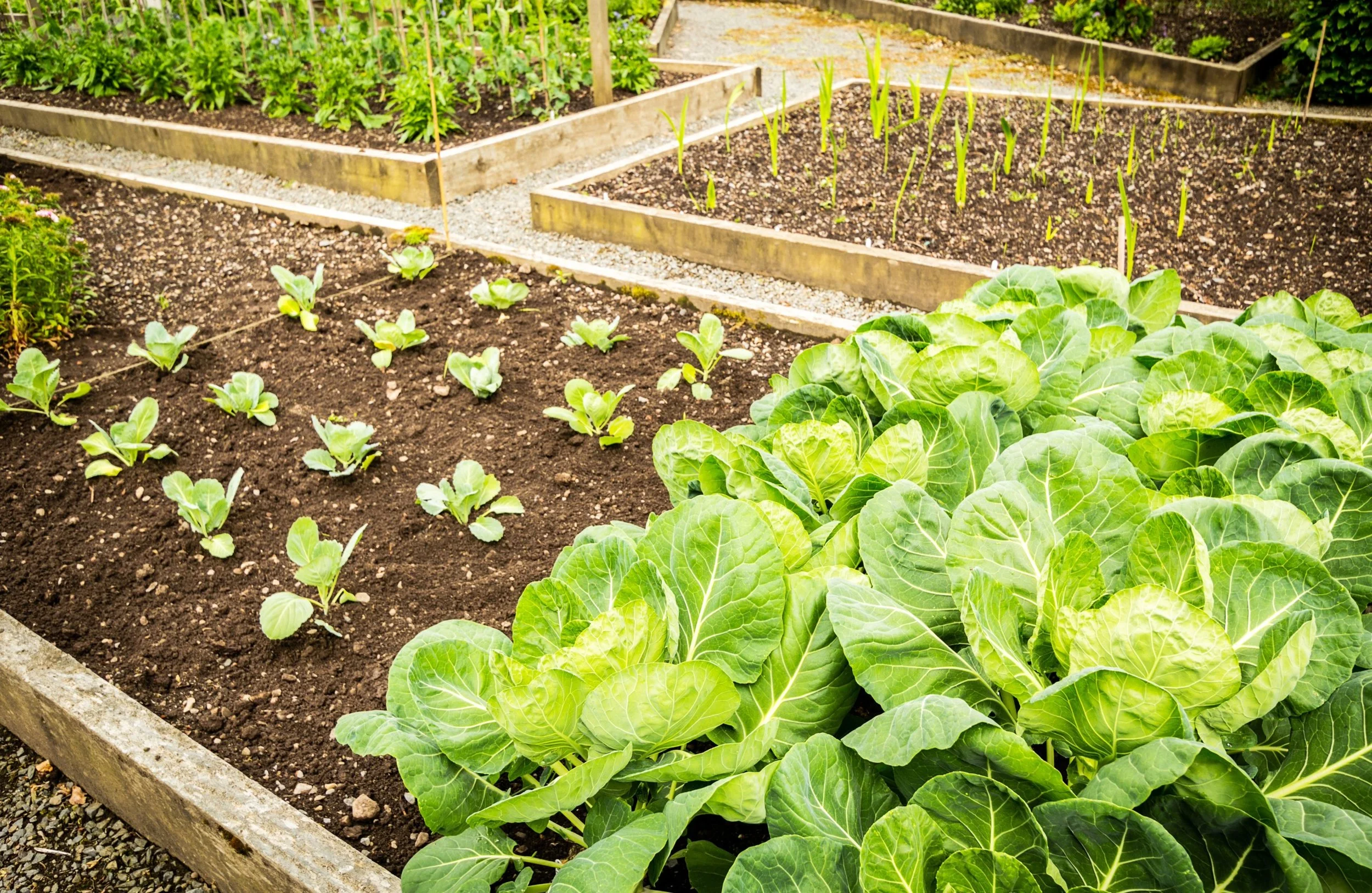
You don't need a vegetable plot to grow cabbages. With a big enough pot, the right variety and regular watering, you can grow firm, tasty heads on a patio or balcony. The secret is choosing compact cabbages bred for smaller spaces, giving each one its own container, and keeping the compost moist and well fed.
Quick answer
Grow one cabbage per container, in a pot at least 30 cm wide and 30 cm deep, which holds roughly 15 to 20 litres of compost. Choose a compact variety, plant it deeply and firmly, water regularly, feed every couple of weeks, and cover it with fine netting from day one to keep butterflies and pigeons off.
Choosing a container for cabbage
Cabbages grow big leaves and a large root system, so they need more room than salad crops. A container around 30 cm wide and deep suits a compact or pointed cabbage, while bigger varieties do better in a larger pot. Always plant one cabbage per container. Squeezing two in gives you two small heads rather than one good one.
Good options include:
large plastic, ceramic or fabric pots
deep troughs, for a single plant
large grow bags or buckets with holes in the base
Whatever you use, it needs drainage holes.
Best cabbages for pots
Big storage cabbages and large Savoys need a lot of space, so for containers choose varieties described as compact, mini or suitable for small spaces. Pointed summer cabbages such as 'Caraflex' are a popular choice, as they form small, dense heads and mature quickly.
Compost for container cabbage
Fill the container with a good multi-purpose or soil-based compost, which holds moisture better than garden soil and won't compact in the pot. Fresh compost usually contains enough food for the first month or so.
You can read more in best soil for vegetable gardening in the UK
Planting cabbage in a container
Plant each cabbage a little deeper than it was growing before, so its lowest leaves sit just above the compost surface. Cabbages like to be anchored firmly, so press the compost down well around the stem, then water generously.
Cover the pot with fine insect mesh or netting straight away. Cabbage white butterflies will find plants even on a balcony, and pigeons love young cabbage leaves. Stopping the butterflies laying eggs is far easier than picking off caterpillars later.
Watering container cabbage
Pots dry out much faster than the ground, and a cabbage with large leaves uses plenty of water. Check the compost every day or two, and daily in warm weather, and water whenever it's dry below the surface. Keeping it evenly moist helps the heads form well and reduces the risk of splitting.
For watering advice, see how often to water cabbage
Feeding container cabbage
Once the compost's nutrients run low, after about a month, feed every couple of weeks with a balanced liquid feed to keep the plant growing strongly.
Position and sunlight
Cabbages grow best in a sunny, sheltered spot. They prefer cool weather and can struggle in heat, so in a hot summer a position with some afternoon shade can help pot-grown plants.
Harvesting container cabbage
Container cabbages are ready when the head feels firm when you squeeze it. Cut it with a sharp knife just above the stem, and you may get a few small extra heads from the stump.
For harvesting advice, see when to harvest cabbage
For full growing advice, see how to grow cabbage in the UK
Common questions
What size pot do cabbages need?
At least 30 cm wide and 30 cm deep, holding around 15 to 20 litres of compost. Larger varieties need a bigger pot. Grow one cabbage per container.
Can you grow cabbages in pots?
Yes, as long as you use a big enough container, choose a compact variety, and keep it well watered and fed. Pointed summer cabbages are especially easy in pots.
How many cabbages can I grow in one pot?
Just one. Planting two or more in the same pot means they compete for water and food, and you end up with small heads.
Do container cabbages need netting?
Yes. Cabbage white butterflies and pigeons will find pot-grown cabbages too, so cover them with fine mesh or netting from the day you plant them.
Growing advice checked against RHS guidance.