How to Grow Cabbage in the UK
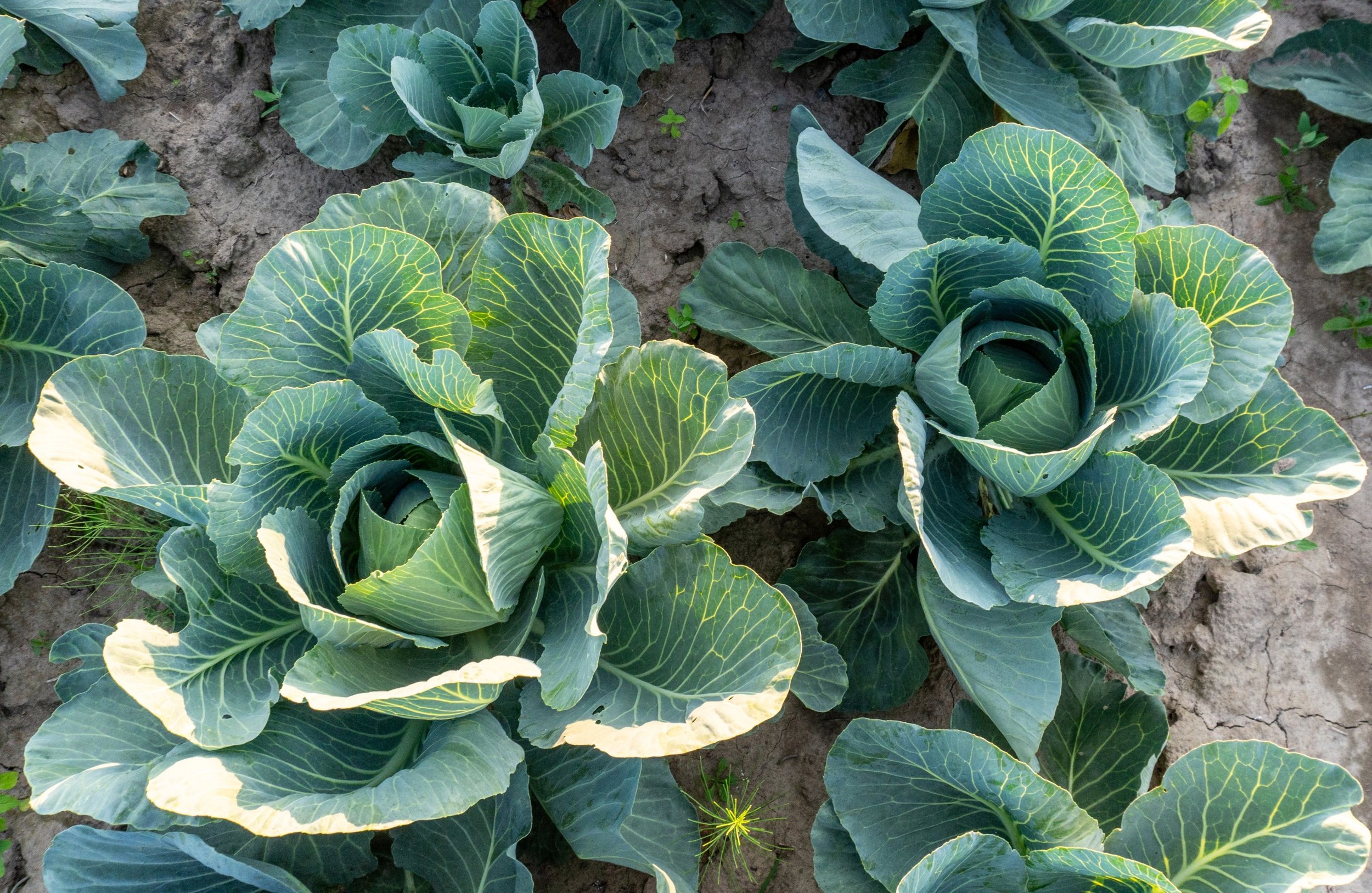
Quick facts
Sow: February to July, depending on the type
Plant out: when plants are 10–15 cm tall with five or six true leaves
Spacing: 30 cm for compact varieties, up to 45 cm for large ones
Time to harvest: about four to six months from sowing
Harvest: all year round if you grow a mix of types
Key moment: planting deep into firm, settled soil
Cabbages are one of the most dependable crops for a UK garden. They're hardy, they're happy in our cool, damp weather, and with a few different types you can be cutting fresh heads in every season. The one thing they're fussy about is the ground they grow in. Cabbages need firm soil to build firm hearts.
Cabbage types and when to grow them
Cabbages are grouped by the season they're ready. They're all grown in much the same way. What changes is when you sow and when you cut:
Spring cabbage: sow in July, plant out before winter, and cut from mid-spring into summer. Pick some young as loose spring greens and leave the rest to heart up.
Summer cabbage: sow from late winter to mid-spring for heads in mid to late summer.
Autumn cabbage: sow from April to June for big heads that are ready before winter sets in.
Winter cabbage: sow from April to June for heads that sit in the ground through the cold months. This group includes savoys with their wrinkled leaves, smooth round drumheads and red cabbages.
Sowing a small batch of two or three types means a steady supply rather than a glut. For timings by type, see when to plant cabbage in the UK
Choosing a cabbage variety
Compact varieties suit small beds and small households. Large winter types need more room but stand longer in the ground. If you've had clubroot before, look for a variety bred to resist it.
These varieties hold the RHS Award of Garden Merit:
'Duncan': a spring cabbage that gives lots of small, pointed heads
'Winterjewel': a spring cabbage you can cut early as greens or leave to form loose hearts
'Regency': a neat, pointed summer cabbage
'Red Jewel': a red variety for summer and autumn
'Tundra': a very hardy savoy for winter cutting
'Advantage': a pointed cabbage that can be sown for harvests at different times of year
Preparing the ground
Cabbages want a sunny spot with rich soil that drains well. Avoid beds that stay wet in winter, especially for spring and winter types that will be in the ground through the cold months. Grow them where you haven't had cabbages or other brassicas for the last couple of years, so soil diseases such as clubroot don't build up.
The ideal is to dig in about two buckets of garden compost per square metre the autumn before. This gives the soil all winter to settle back down and firm up. If you're adding compost just before planting, walk over the bed with your weight on your heels to press it down again, then rake the surface level. If your soil is very acidic, lime it the winter before to bring the pH above 6, which also helps keep clubroot away. A simple soil test kit tells you whether you need to.
For more detail, see best soil for vegetable gardening in the UK
Sowing cabbage seeds
Indoors: fill a module tray with seed compost and water it. Sow two seeds per module, 1 cm deep, and keep them on a bright windowsill or in a greenhouse. When they come up, pinch out the weaker seedling in each cell. They'll be ready to plant out in about five weeks. Starting indoors keeps young plants away from slugs and gives them a strong root system, which helps in soil with clubroot.
Outdoors: make a drill about 2 cm deep and water along it. Then either:
Sow in a seedbed: space seeds about 10 cm apart, and move them to their final spot later, or
Sow where they'll grow: sow three seeds every 30–45 cm, then keep the strongest seedling at each spot.
Use cloches or fleece over early summer cabbage sowings in February and March. Sow little and often through the season rather than a whole packet at once.
Planting out cabbages
This is the step that decides whether you get tight heads or loose, leafy ones. Move plants when they're 10–15 cm tall with five or six true leaves. Harden off any raised indoors first.
For more detail, see how to harden off seedlings
Water the young plants the day before moving them.
Make a hole deep enough to bury the stem, so the bottom leaves sit just above the soil.
Set the plant in, fill around it and press the soil down hard with your hands. A gentle tug on a leaf should tear the leaf, not lift the plant.
Give each plant a good soak.
Space compact varieties 30 cm apart and bigger ones up to 45 cm.
Spring cabbages are planted closer, about 10 cm apart. In February or March, lift every other plant to leave 30 cm between those remaining. The ones you lift are your spring greens.
Put fine insect-proof mesh over the bed on hoops straight away. It keeps off pigeons, cabbage white caterpillars and cabbage root fly in one go.
Watering, feeding and weeding
Water young plants often while their roots are small. Established cabbages only need water in dry spells, but they respond well to extra water once the heads start forming. A mulch of compost or manure helps hold moisture in the soil.
For more detail, see how often to water cabbage
Cabbages rarely need feeding in good soil. On poorer ground, a nitrogen-rich feed after the plants have settled, before the hearts start to form, helps them along. Feed spring cabbages as growth starts again in early spring. Hoe regularly between plants, and pull off yellowing outer leaves so air moves freely around the heads.
Growing cabbage in containers
Cabbages are easiest in the ground, but compact varieties can grow in large, deep pots of multi-purpose compost. Plant them deep and firm as you would outdoors, and keep the pot watered in warm weather. Grow bags are too shallow for cabbages.
For more detail, see growing cabbage in containers
Harvesting cabbage
Cut cabbages when the head feels firm and is the size you want, using a sharp knife just above ground level. With spring and summer cabbages, a shallow cross cut into the top of the stump often gives you a second, smaller head.
For more detail, see when to harvest cabbage
Common cabbage problems
Pigeons and caterpillars: leaves torn or eaten down to the veins. Mesh keeps out both.
Cabbage root fly: young plants wilt and stop growing because maggots are eating the roots. Mesh from planting out prevents it.
Clubroot: swollen, knobbly roots and plants that wilt in warm weather. Rotate crops, lime acid soil and raise plants in modules.
Whitefly and mealy aphid: small white or grey insects under the leaves. They're usually a nuisance rather than a disaster.
Flea beetle: tiny round holes in young leaves in dry spring weather.
Slugs: young plants eaten overnight, especially just after planting out.
No hearts forming: usually loose soil, shallow planting or too little water as heads develop.
For more detail on the last one, see why cabbage doesn't form heads
Common questions
Can you grow cabbage all year round in the UK?
Yes. Sowing a mix of spring, summer, autumn and winter types gives you heads to cut in every season. Most people pick two or three types and sow a small batch of each.
How long does cabbage take to grow?
About four to six months from sowing, depending on the type. Summer cabbages are the quickest, while spring cabbages spend the winter in the ground before hearting up.
What is the difference between spring and winter cabbage?
Spring cabbage is sown in July, sits through winter as a young plant and is cut from mid-spring. Winter cabbage is sown in late spring and grows through summer to give full heads that stand in the ground through the cold months.
Why do cabbages need firm soil?
Firm soil holds the roots tight, which helps the plant build a solid heart. In loose, fluffy soil, cabbages rock in the wind and often form loose, leafy heads instead.
Timings, spacing, varieties, pests and care based on RHS guidance.