How to Grow Lettuce in the UK
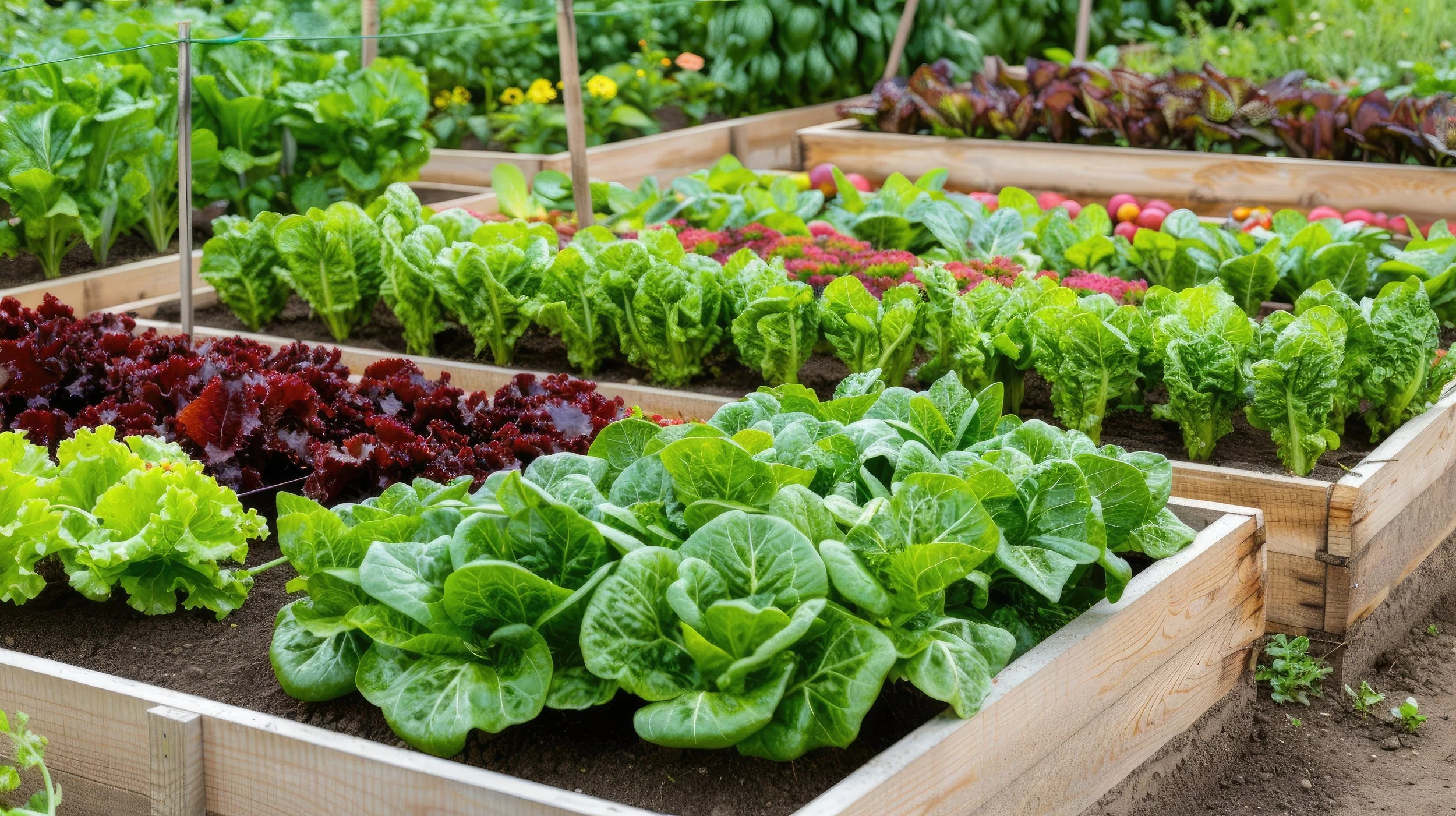
Lettuce is the perfect first crop. It's cheap to grow from seed, quick to mature and happy in a bed, a pot or even a window box. Loose-leaf types can be ready to pick in little more than a month, and if you plan your sowings, you can have fresh leaves from spring right through to winter.
Quick facts
Sow outdoors: late March to late July
Sow under cover: from February for early crops, and September to October for winter lettuce
Depth: 1 cm
Spacing: 15–30 cm apart, depending on type, in rows 30 cm apart
Position: sun, with light shade in the heat of summer
Ready in: 4–6 weeks for loose-leaf types, 10–14 weeks for hearting lettuces
Types of lettuce
Choosing the right type makes growing easier:
Loose-leaf: no heart, just a rosette of leaves you can pick a few at a time. The quickest and easiest for beginners. Try 'Salad Bowl' or 'Lollo Rossa'.
Butterhead: soft, mild leaves around a loose heart. Quick to mature.
Cos (romaine): tall, upright heads with crisp ribs. 'Little Gem' is a compact, sweet favourite, and 'Lobjoits Green Cos' is a larger option.
Crisphead: big, crunchy hearts, like iceberg. Slower, but less likely to bolt in hot weather.
Winter lettuce: hardy varieties such as 'Winter Density', sown in autumn and grown under glass for winter picking.
Salad-leaf mixes: a blend of lettuces and other leaves, sown thickly and cut young.
Every variety named here has an RHS Award of Garden Merit (AGM), which marks it out as reliable.
When to sow lettuce
February to March: sow indoors or in a greenhouse, then plant out under cloches for the earliest crops.
Late March to late July: sow outdoors. Sow a short row every two or three weeks for a steady supply.
August: sow for leaves into autumn and early winter, and cover the young plants with cloches once the nights turn cold at the end of September.
September to October: sow winter varieties in a greenhouse or cold frame.
Month-by-month sowing advice is in when to plant lettuce in the UK
Where to grow lettuce
Lettuce likes fertile soil that holds moisture well, so dig in plenty of garden compost before sowing. A sunny spot is ideal in spring and autumn. From June to August, a spot that's shaded around midday keeps plants cooler and less likely to bolt.
Lettuce is also one of the best crops for containers, window boxes and grow bags. See growing lettuce in containers
How to sow lettuce
Rake the soil to a fine, crumbly surface.
Make a shallow drill (a narrow groove) about 1 cm deep. Leave 30 cm between rows.
Sprinkle the seed thinly along the drill, then cover it lightly with soil.
Water gently, and keep the soil moist until the seedlings appear.
Thin the seedlings in stages. First thin them to about 5 cm apart, then to their final spacing: around 15 cm for loose-leaf types and up to 30 cm for large hearting lettuces. The thinnings make a tasty early salad.
You can also sow into modules and plant out the young plants, which is handy if slugs are a problem.
Sowing in hot weather: lettuce seed can fail to germinate when it's very warm. On hot days, sow in the evening, soak the drill with cold water first, and shade it until the seedlings appear.
Watering
Lettuce is mostly water, and steady moisture keeps the leaves sweet and tender. Dry soil makes lettuce bitter and quick to bolt. Water regularly in dry weather, ideally in the morning, as evening watering encourages slugs and mould. Lettuce in pots may need watering every day in summer.
Feeding
Lettuce grown in well-prepared soil rarely needs feeding. Plants in containers benefit from a general-purpose liquid feed every couple of weeks during summer.
Harvesting lettuce
Loose-leaf types: start picking outer leaves when they're around 10 cm long, taking a few from each plant so they keep growing. You can also cut the whole plant a few centimetres above the soil and it will often regrow.
Hearting types: cut the whole head once it feels firm in the middle. Leaving a stump about 2.5 cm high can give you a second, smaller crop of leaves.
Best time of day: pick in the morning, when leaves are crisp and full of water.
Common problems
Slugs and snails: the biggest threat to young lettuce, especially in damp weather. See slugs eating vegetable plants
Bolting: plants shoot up and flower, usually because of heat or dry soil. See why lettuce bolts
Bitter leaves: often caused by dry soil, heat or leaving plants too long. See why lettuce tastes bitter
Seeds not coming up: usually because of hot weather. Sow in the evening and keep the drill cool.
Aphids: check under the leaves and in the heart, and wash them off.
Grey mould and downy mildew: more common in cool, damp conditions. Space plants well and water in the morning.
Tips for beginners
Sow little and often, rather than a whole packet at once.
Start with loose-leaf lettuce for quick, easy pickings.
Keep the soil moist, especially in summer.
Grow a pot near the kitchen door so it's easy to pick a few leaves.
For more easy crops, see the easiest vegetables to grow
Common questions
When should I sow lettuce in the UK?
Outdoors from late March to late July, sowing a little every few weeks. You can start earlier under cover from February, and sow winter varieties in a greenhouse or cold frame in September and October.
How long does lettuce take to grow?
Loose-leaf lettuce is ready in about 4–6 weeks. Hearting types, such as butterhead, cos and crisphead, take about 10–14 weeks.
Why does my lettuce keep bolting?
Bolting is usually caused by hot weather or dry soil. Keep plants well watered, give them some shade in summer and choose bolt-resistant varieties.
Can lettuce grow in shade?
Yes, partial shade suits it well, especially in summer, when shelter from the midday sun stops plants bolting. In spring and autumn, give it as much sun as you can.
Sowing times, spacing and varieties based on RHS guidance.