Why Lettuce Tastes Bitter (and How to Prevent It)
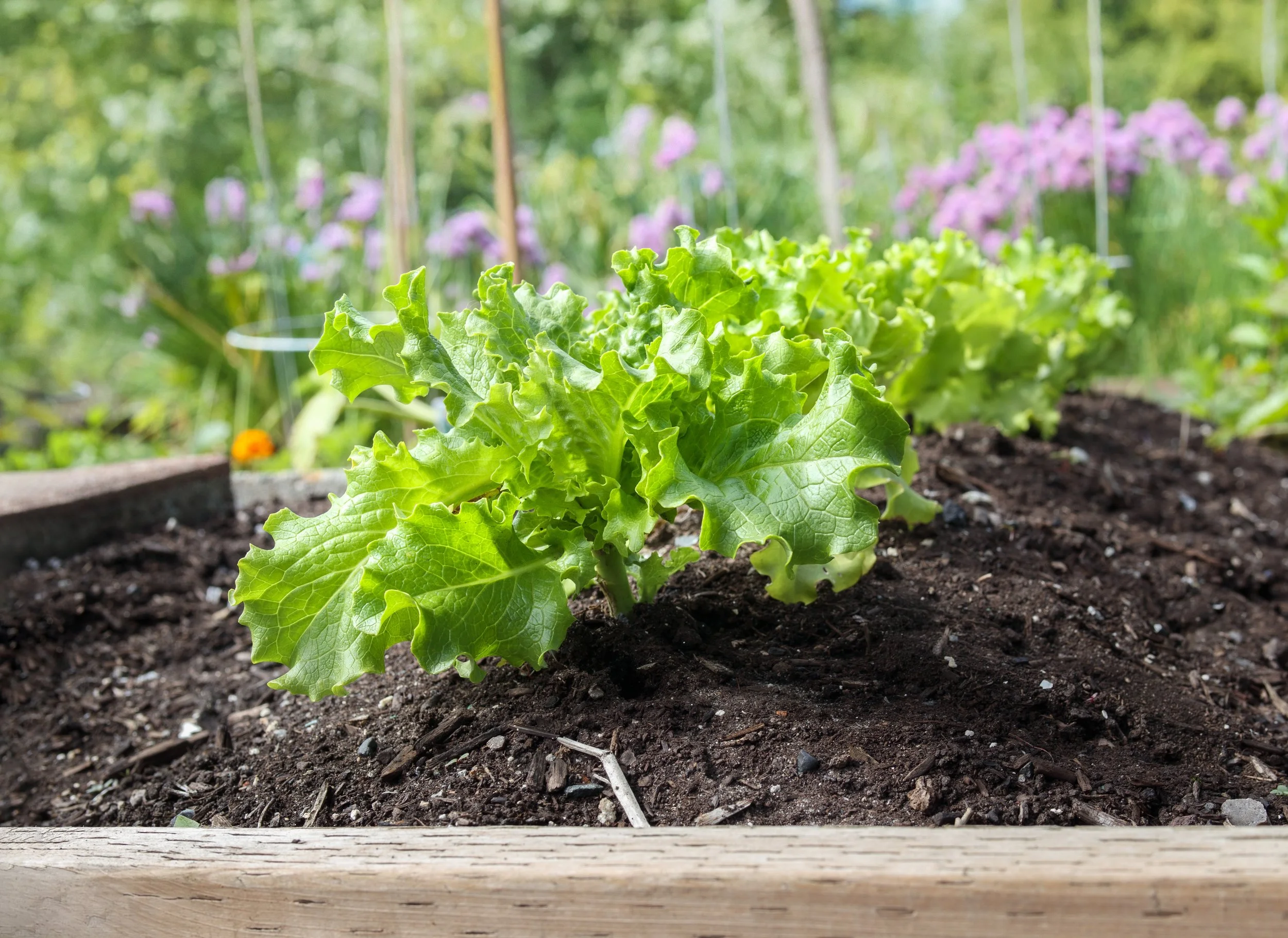
Lettuce is usually easy to grow, but sometimes it develops a bitter taste. This often happens when plants grow in stressful conditions, especially during warm weather.
Bitterness is a natural response that helps the plant cope with heat and dry soil.
The good news is that a few simple growing habits can help keep lettuce mild and tender.
Hot weather
Lettuce grows best in cooler temperatures.
During warm weather, lettuce can become bitter and begin to bolt (produce flowers).
Growing lettuce in:
spring
early summer
late summer
often produces the best flavour.
Providing some shade during hot weather can help.
Dry soil
Dry soil is one of the most common causes of bitter lettuce.
Lettuce needs consistent moisture because it grows quickly and has shallow roots.
Keep soil:
moist
not waterlogged
You can read more in how often to water a vegetable garden.
Lettuce growing too slowly
When lettuce struggles to grow, flavour can become stronger and more bitter.
Healthy soil and steady watering help plants grow quickly and stay tender.
Adding compost before planting improves growth.
See best soil for vegetable gardening in the UK for more advice.
Harvesting too late
Lettuce often tastes best when harvested young.
If leaves grow large or plants begin flowering, bitterness increases.
Harvesting regularly helps keep plants producing fresh leaves.
For growing advice, see how to grow lettuce in the UK.
Choosing the right growing conditions
Lettuce usually tastes best when grown:
in mild temperatures
with steady watering
in soil with compost added
with regular harvesting
Small, regular sowings often produce better results than growing large batches.
Bitter lettuce is still usable
Even when lettuce tastes slightly bitter, it can still be eaten.
Mixing it with other salad leaves often improves flavour.
Growing lettuce in cooler conditions usually produces the best taste.