Slugs Eating Vegetable Plants (How to Stop Them)
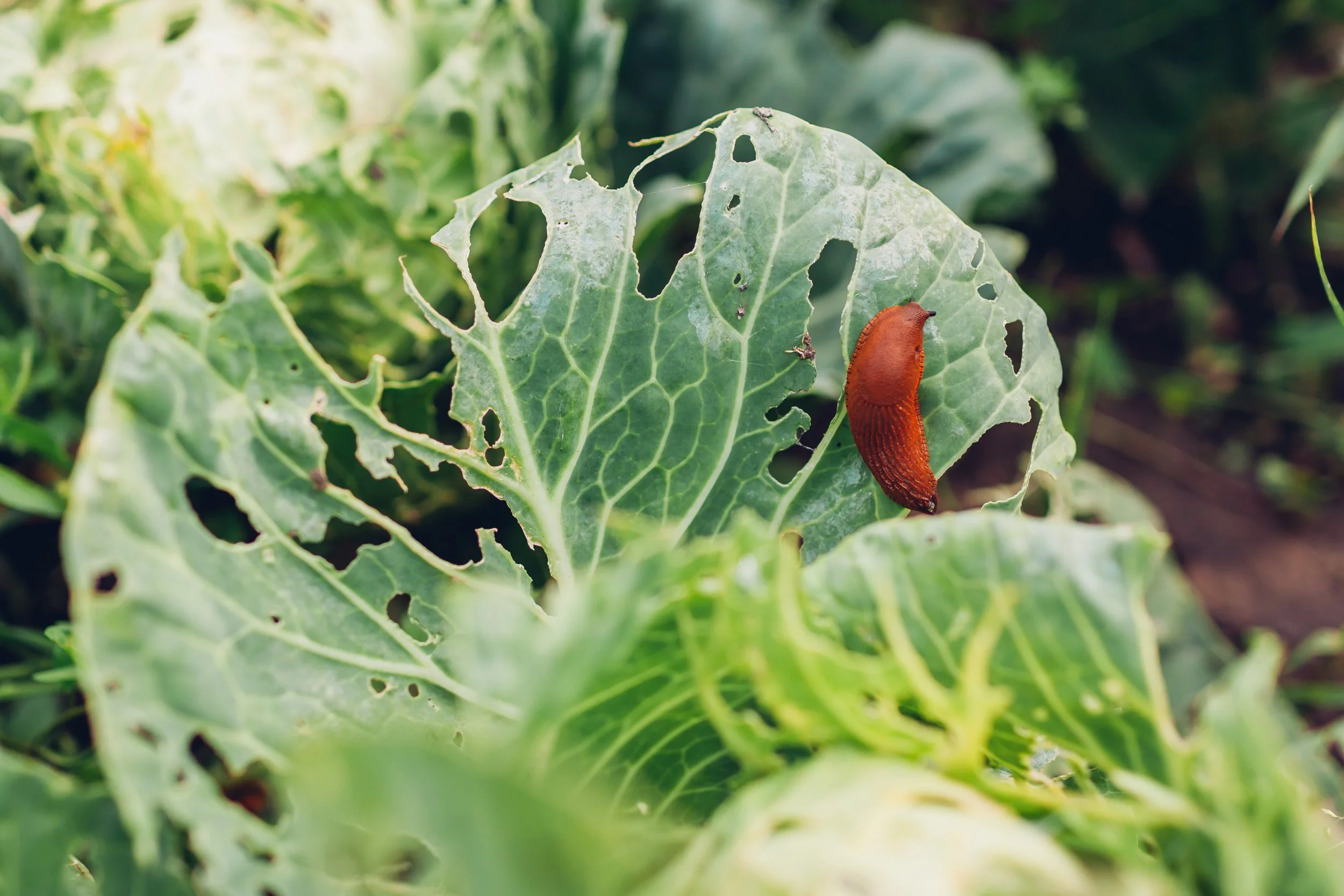
Slugs are one of the most common problems in vegetable gardens, especially in the UK where damp conditions help them thrive. They often feed on young seedlings and soft leaves, sometimes damaging plants overnight.
Although slugs can be frustrating, there are several simple ways to reduce damage and protect your vegetables.
Most gardens experience slugs at some point, especially in spring and early summer.
Why slugs damage plants
Slugs prefer:
moist conditions
soft leaves
young plants
sheltered areas
Seedlings and leafy vegetables are especially vulnerable.
Commonly affected vegetables include:
lettuce
courgettes
beans
young carrot seedlings
Slugs are most active at night and after rain.
Removing slugs by hand
One of the simplest methods is checking plants in the evening and removing slugs by hand.
This can quickly reduce slug numbers in small gardens.
Check:
under leaves
around containers
near damp soil
Regular checks can make a noticeable difference.
Creating barriers around plants
Barriers can help protect vulnerable plants.
Gardeners sometimes use:
crushed eggshells
copper tape around containers
rough, dry materials around seedlings
These can discourage slugs from reaching plants.
Watering carefully
Slugs prefer damp conditions.
Watering in the morning rather than evening helps soil dry slightly before night, when slugs are most active.
This can reduce slug activity around plants.
For watering advice, see how often to water a vegetable garden.
Protecting young plants
Seedlings are most at risk from slugs.
You can protect them by:
starting seeds indoors
transplanting stronger seedlings
covering plants temporarily
Stronger plants are less vulnerable to damage.
Encouraging natural balance
Many gardens naturally develop balance over time.
Birds, beetles, and frogs often feed on slugs.
Creating a healthy garden environment can help reduce slug problems naturally.
Slugs are a normal garden challenge
Almost every vegetable gardener deals with slugs at some point.
Using simple methods and checking plants regularly usually keeps damage under control.
As plants grow larger, they become less vulnerable to slug damage.