Why Lettuce Bolts (and How to Prevent It)
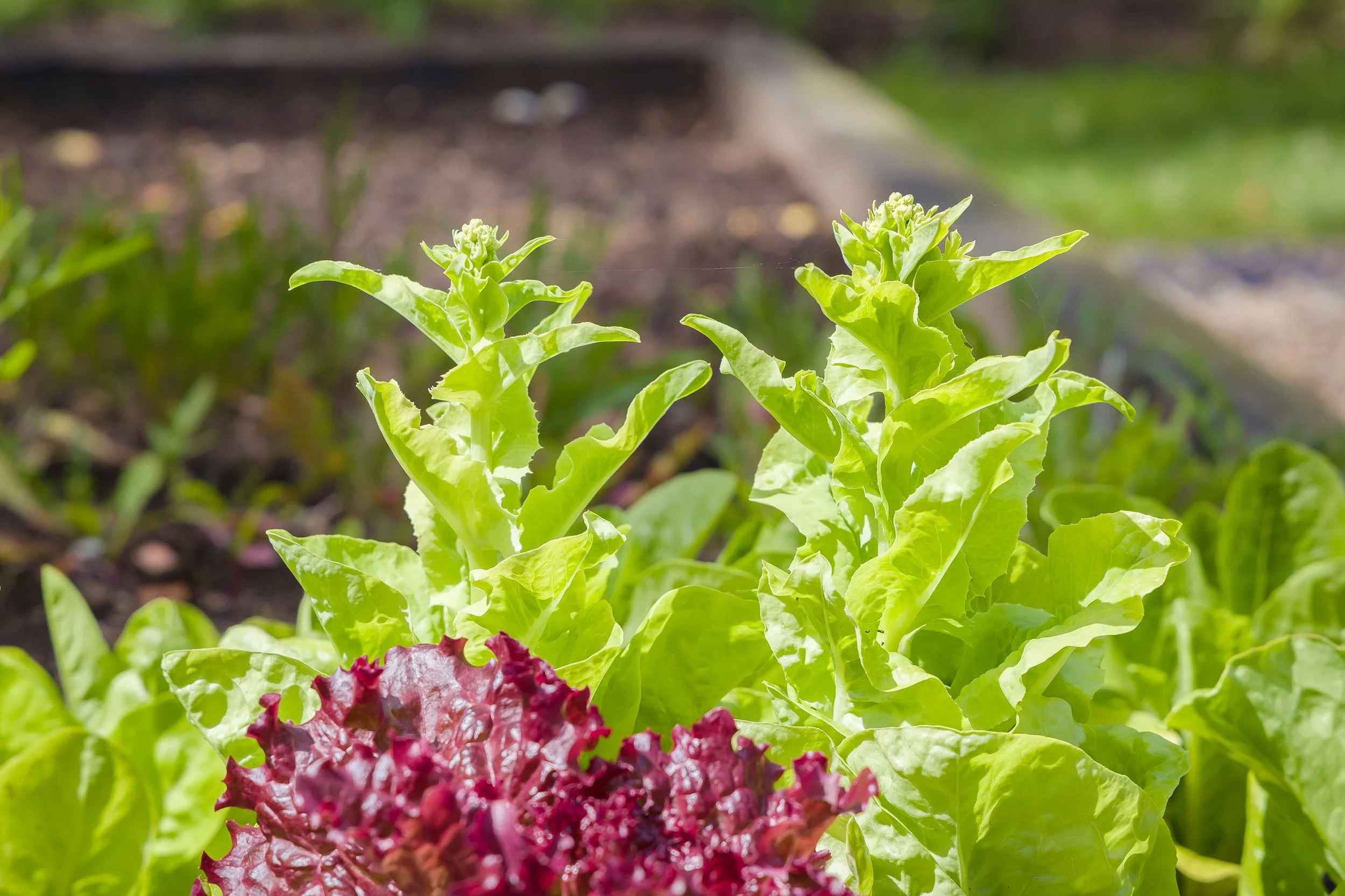
Lettuce bolts when it starts producing a tall flowering stem instead of growing leaves. Once this happens, leaves often become bitter and tough.
Bolting usually happens when lettuce experiences warm temperatures, dry soil, or stress.
Understanding why lettuce bolts can help you grow better crops throughout the season.
Warm weather
Lettuce grows best in cool conditions.
Hot weather often causes plants to bolt quickly.
Growing lettuce in spring, early summer, or late summer usually produces better results.
Providing shade during warm weather can help.
Dry soil
Dry soil can stress lettuce plants and trigger bolting.
Keeping soil evenly moist helps lettuce grow steadily.
For watering advice, see how often to water lettuce.
Plant growing too long
If lettuce is left in the ground too long, it may begin to flower naturally.
Harvesting leaves regularly helps delay bolting.
For harvesting advice, see when to harvest lettuce.
Choosing the right growing conditions
Lettuce usually grows best when:
temperatures are mild
soil stays moist
plants are harvested regularly
some shade is provided in hot weather
These conditions help keep lettuce producing leaves instead of flowers.
Bolting is a natural process
Bolting is part of the plant’s life cycle.
Once lettuce bolts, flavour often changes, but the plant is still usable.
Growing lettuce in cooler conditions usually prevents this problem.
For growing advice, see how to grow lettuce in the UK.