Why Beetroot Doesn’t Grow (and How to Fix It)
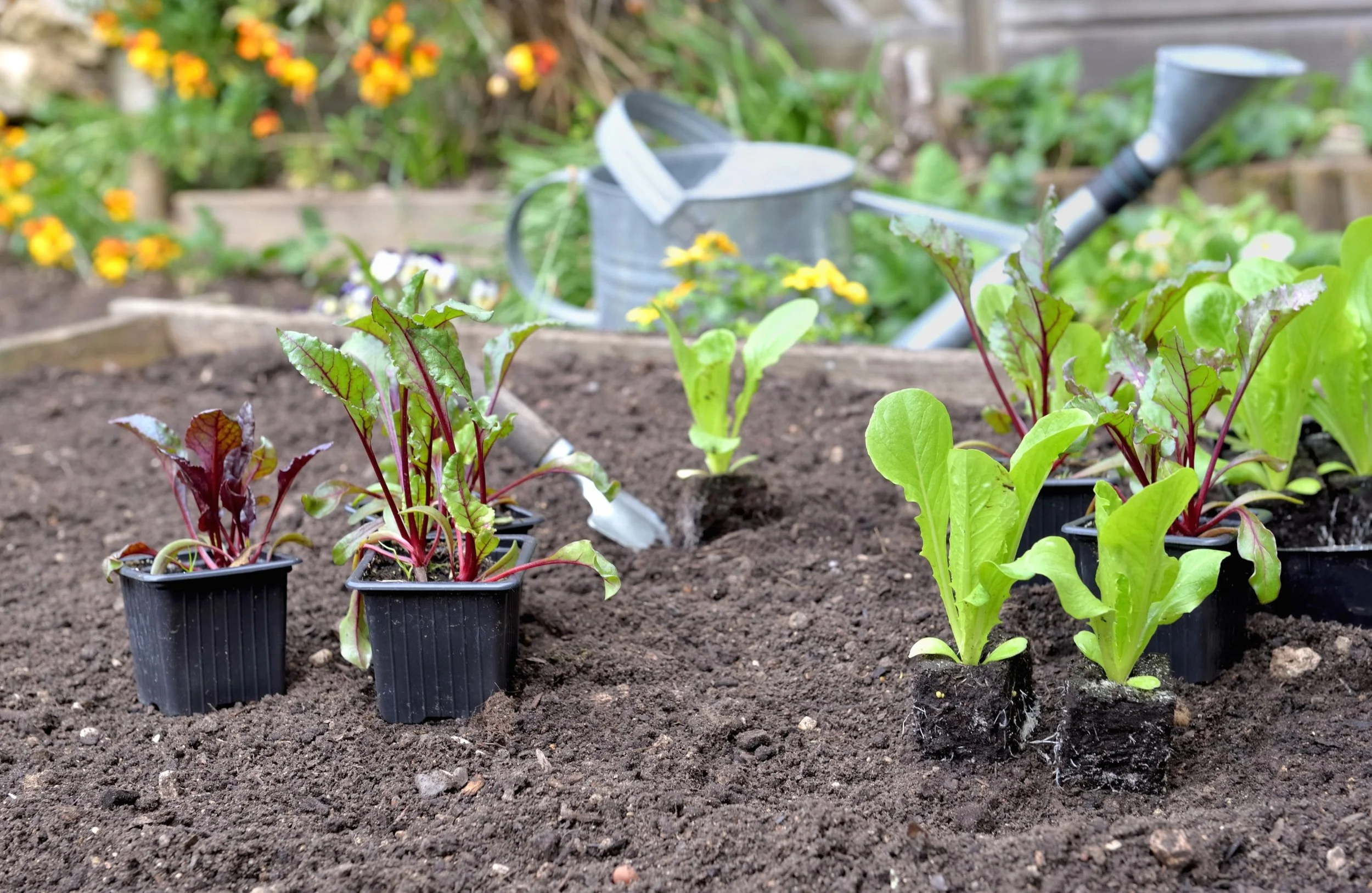
Beetroot is usually one of the easiest crops to grow, so it's frustrating when the seeds don't come up, the plants make lots of leaves but no roots, or the roots turn out small, woody or split. The good news is that each of these has a clear cause, and most can be fixed with a few small changes to how you sow and water.
Quick answer
Beetroot usually fails because it was sown into cold soil, the seedlings were left too crowded, or the soil dried out while the roots were forming. Wait until the soil has warmed in spring before sowing, and soak the seed first. Thin the seedlings to about 10 cm apart if you want bigger roots, and water every 10–14 days in dry spells. Early sowings may bolt, so choose a bolt-resistant variety for spring.
What's going wrong?
Seeds didn't come up, or came up patchily: see "Cold soil" and "Slow germination".
Seedlings came up in tight clumps: see "Crowded seedlings".
Lots of leaves but no proper root: see "Crowded seedlings", "Too much shade" and "Too much nitrogen".
Roots are small: see "Crowded seedlings" and "Dry soil".
Roots are tough and woody: see "Dry soil" and "Left too long".
Cracks running down the roots: see "Uneven watering".
Plants have run to seed: see "Bolting".
Pale blotches or tunnels in the leaves: see "Beet leaf miner".
Cold soil
Beetroot seed germinates poorly in cold, wet soil. Sowings made too early in spring often sit in the ground for weeks and come up patchily, if at all.
Fix it: the RHS advises waiting until the soil reaches 7°C or more, which in most gardens happens between the end of March and April. Covering the row with fleece or a cloche for a week or so beforehand gives the seed a warmer start. See when to plant beetroot in the UK
Slow germination
Even in good conditions, beetroot seed can be slow and reluctant to sprout, as each seed has a tough, corky coat.
Fix it: soak the seeds in a bowl of warm water for an hour before sowing to soften the coat and speed things up. Sow them 2.5 cm deep and keep the soil moist until the seedlings appear.
Crowded seedlings
Most beetroot "seeds" are actually small clusters holding several seeds, so each one can produce two or three seedlings growing tightly together. Left like that, they compete with each other and the roots stay small, or fail to swell at all.
Fix it: once the seedlings are about 2.5 cm tall, thin them so that there's one plant every 10 cm or so. You can leave them closer together if you want small, golf-ball-sized roots. Some varieties are "monogerm", producing just one seedling from each seed, which makes thinning easier.
Dry soil
Beetroot that goes short of water while the roots are forming grows slowly and can end up small, tough and woody.
Fix it: young seedlings have tiny roots, so don't let them dry out in their first few weeks. After that, beetroot doesn't need much water, but in dry spells give the bed a good soak every 10–14 days. See how often to water beetroot
Uneven watering
When dry soil is suddenly soaked by heavy rain or a big watering, the roots can swell too quickly and split.
Fix it: water steadily through dry spells rather than letting the soil dry out completely and then drenching it. A mulch helps keep the moisture more even.
Poor or compacted soil
Beetroot grows best in light, well-drained soil. In heavy clay or compacted ground, the roots struggle to swell and may be misshapen.
Fix it: dig the soil well before sowing and work in some well-rotted garden compost to improve its texture. On heavy soil, raised beds or containers make growing easier. Our soil guide explains how to lighten heavy ground.
Too much shade
In shade, beetroot tends to produce leafy tops with thin, slow-growing roots.
Fix it: grow beetroot in an open, sunny spot for the best roots.
Too much nitrogen
Rich, freshly manured soil or high-nitrogen feeds encourage lush leaves at the expense of the roots.
Fix it: avoid fresh manure where you're sowing beetroot. The RHS suggests an organic high-nitrogen liquid feed only if plants are clearly struggling and need a boost.
Bolting
Beetroot sometimes runs to seed, sending up a flower stalk before the root has formed. It's most common in early sowings, which are exposed to cold spells.
Fix it: choose a bolt-resistant variety for early sowings, and cover the rows with fleece or cloches in cold weather. Pull and use any plants that start to bolt.
Left too long
Beetroot left in the ground well past its best can become large, coarse and woody.
Fix it: pick roots between golf-ball and cricket-ball size. Lifting every other plant when they're small leaves more room for the rest to grow.
Beet leaf miner
Pale, papery blotches or tunnels in the leaves are caused by small larvae feeding inside them. Heavy attacks weaken young plants.
Fix it: pick off and destroy affected leaves, and cover young plants with fine insect-proof mesh.
Beetroot in containers
Beetroot is well suited to containers, which is handy on heavy soil. Keep the compost evenly moist, as pots dry out quickly. See growing beetroot in containers
From sowing to storing, everything is in how to grow beetroot in the UK. For other crops, see why vegetables aren't growing
Common questions
Why is my beetroot all leaves and no root?
Usually because the seedlings weren't thinned, the soil is too rich in nitrogen, or the plants are in shade. Thin to about 10 cm apart and grow in an open, sunny spot.
Why didn't my beetroot seeds germinate?
Cold soil is the most common cause. Wait for the soil to reach around 7°C in spring, and soak the seeds in warm water for an hour beforehand to soften their tough coats.
Why is my beetroot woody?
Woody roots are usually caused by dry soil while the roots are forming, or by leaving them in the ground too long. Water in dry spells and harvest before they're bigger than a cricket ball.
Should I thin beetroot seedlings?
Yes, unless you only want baby beets. Each seed cluster produces several seedlings, so thin them to about 10 cm apart once they're 2.5 cm tall.
Soil temperatures, thinning and watering intervals based on RHS guidance.