Why Potatoes Don’t Grow (and How to Fix It)
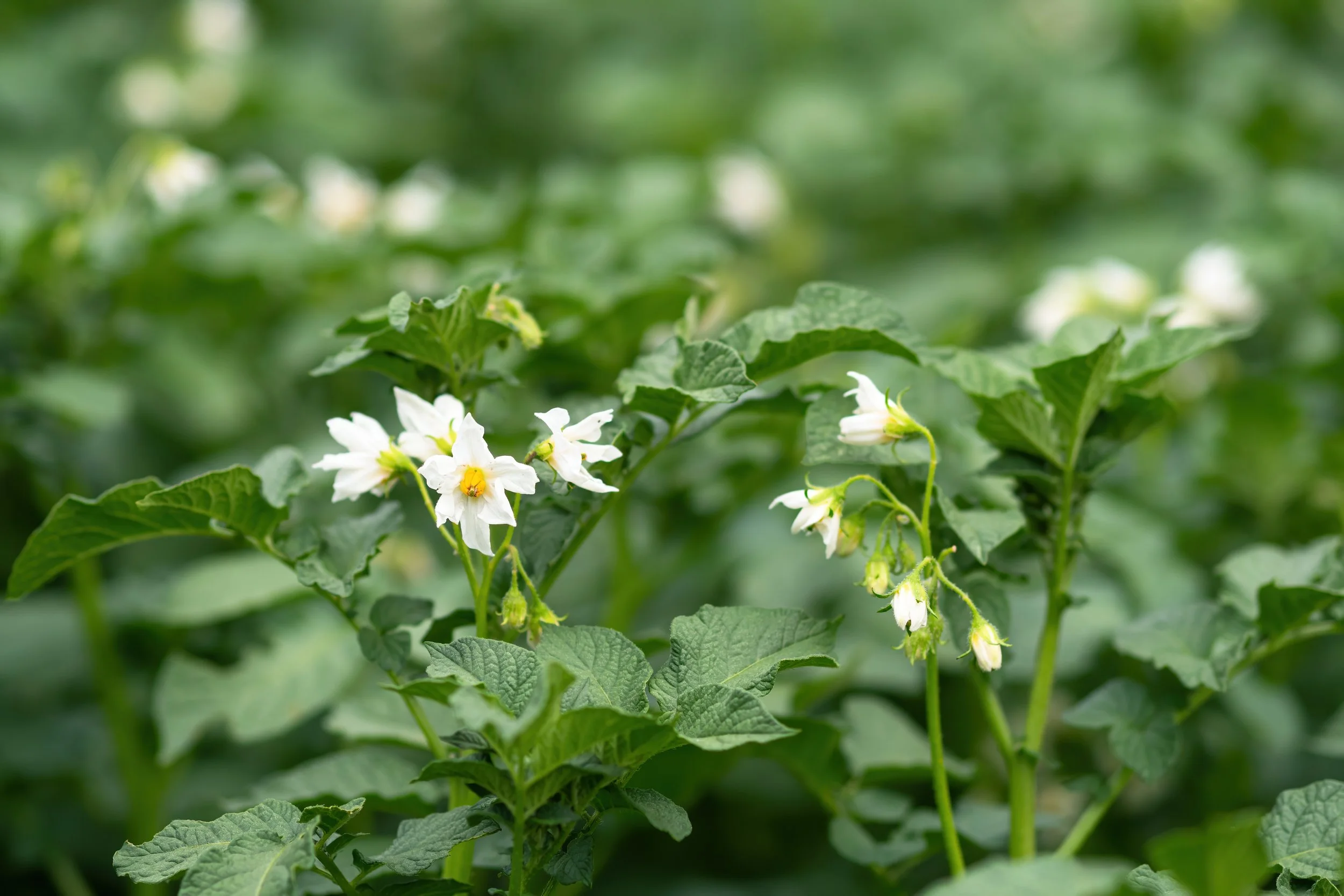
Potatoes have a reputation for being one of the easiest crops to grow, so it's frustrating when they don't come up, or when you dig up a plant and find only a handful of tiny tubers. The good news is that the cause is nearly always one of a few common problems, and most of them are easy to avoid next year.
The first step is working out which problem you actually have: potatoes that never appeared, plants that grew but produced very little, or a crop you simply lifted too soon.
Quick answer
If your potatoes haven't come up at all, the seed potatoes have usually rotted in cold, wet soil, or were hit by frost or pests before the shoots broke through. If the plants grew but the harvest was small, the most common causes are dry soil while the potatoes were forming, too little space or sun, poor soil, or digging them up before they'd finished growing.
Quick diagnosis: what went wrong?
Nothing has come up after five or six weeks: cold or waterlogged soil, rotten seed potatoes, or pests.
Shoots appeared, then turned black and collapsed: a late frost.
Plenty of leaves, but only a few small potatoes: dry soil at flowering, crowding, shade or poor soil.
Plants died back early, leaving a poor crop: blight, or a soil pest such as potato cyst nematode.
Potatoes look fine but are tiny: most likely lifted too early.
1. Cold or wet soil at planting
Seed potatoes sitting in soil that's still cold and soggy can simply sit there, or rot before they sprout. Planting too early in spring is the usual culprit, especially on heavy clay.
If you dig one up and it's soft and smelly, it has rotted. Next year, wait until the soil has started to warm and is no longer sticky when you dig it. Aim for late March for earlies and from mid-April for maincrops, holding off a week or two longer if you garden somewhere chilly.
For planting advice, see when to plant potatoes in the UK.
2. Frost damage
Potato shoots are tender. If a frost arrives after they've pushed through the soil, they can blacken and collapse overnight. The good news is that the plant usually sends up new shoots from below, although the crop may be a little later and smaller.
To protect them, draw soil over new shoots as they appear, or cover them with fleece whenever a cold night is forecast in April and May.
3. Pests or poor seed potatoes
Seed potatoes can be eaten underground by slugs and rodents, especially in damp, weedy ground. Using old supermarket potatoes instead of proper seed potatoes can also let you down, as they may carry diseases or have been treated to stop them sprouting.
Start with proper seed potatoes, grown specially for planting and checked for disease.
4. Dry soil while the potatoes were forming
This is the most common reason for a small harvest. The potatoes themselves form and swell mainly around the time the plants flower. If the soil is dry then, the plant has nothing to build them with, and you end up with a few small tubers however healthy the leaves look.
In dry spells, give plants a thorough soak, particularly from flowering onwards. Plants in pots and grow bags need checking far more often.
For watering advice, see how often to water potatoes
5. Poor or compacted soil
Potatoes grown in heavy, compacted or hungry soil struggle to spread their roots and swell their tubers. Working lots of organic matter, such as homemade compost or old manure, into the bed before planting loosens the soil so the tubers can swell, and helps it hold on to water through dry spells.
You can read more in best soil for vegetable gardening in the UK
6. Not enough sun
Potatoes need full sun to produce a good crop. In shade, plants grow tall and leggy, reaching for the light, and put far less energy into the potatoes underneath.
7. Plants too close together
Crowded plants compete for water, food and light, and each one produces less. Earlies need around 30 cm between plants and maincrops about 37 cm, with plenty of room between the rows so you can earth them up.
Earthing up also matters. Mounding soil against the stems as they grow gives the potatoes more room to form and stops them turning green in the light.
8. Containers that are too small
Pots and bags can give a good crop, but a container that's too small, or packed with too many seed potatoes, limits the harvest. Allow roughly one seed potato for each 30 cm of container width, keep the compost moist, and feed regularly, as the compost soon runs out of nutrients.
For container advice, see growing potatoes in containers or grow bags
9. Harvested too early
Because potatoes grow out of sight, it's easy to dig too early. Early varieties need roughly three months in the ground and tend to be worth checking when the plants flower. Maincrops take a good deal longer and aren't usually ready until late summer at the earliest.
If you're not sure, scrape away some soil from one plant and check the size of the potatoes before digging up the rest.
For harvesting advice, see when to harvest potatoes
10. Blight or soil pests
Blight can kill the leaves in a matter of days in a warm, wet summer. Once the foliage has gone, the potatoes stop growing, so plants hit early give a small crop. Earlies are usually lifted before blight arrives, so they're a good choice if it's a problem in your area.
On plots where potatoes are grown year after year, potato cyst nematode, a microscopic soil pest, can weaken the roots and leave you with a disappointing crop. Moving your potatoes to a different spot each year helps prevent it.
For more on symptoms, see why potato leaves turn yellow
Getting a better crop next year
Most potato problems come down to timing, water and space. Wait for the soil to warm before planting, keep the water coming when the flowers open, space the plants generously and resist digging too soon, and next year's crop should be a different story.
For growing advice, see how to grow potatoes in the UK
Common questions
Why have my potatoes not come up?
Usually because the soil was too cold or wet, and the seed potatoes rotted before they could sprout. Frost, slugs and rodents can also be to blame. If nothing has appeared after five or six weeks, dig one up to check.
Why are my potatoes so small?
Most often, the soil dried out around flowering, which is exactly when the tubers are swelling. Crowding, shade, poor soil and lifting too early can also leave you with small potatoes.
Why do my potato plants have lots of leaves but few potatoes?
The plant may have been short of water while the tubers were forming, or it may have been in shade, crowded or growing in poor soil. Blight or pests that kill the foliage early also stop the potatoes developing.
How long do potatoes take to grow?
Early varieties take about three months, and are usually ready around the time the plants flower. Maincrops take longer and are generally ready from late summer into autumn.
Growing advice checked against RHS guidance.