Why Butternut Squash Doesn’t Grow (and How to Fix It)
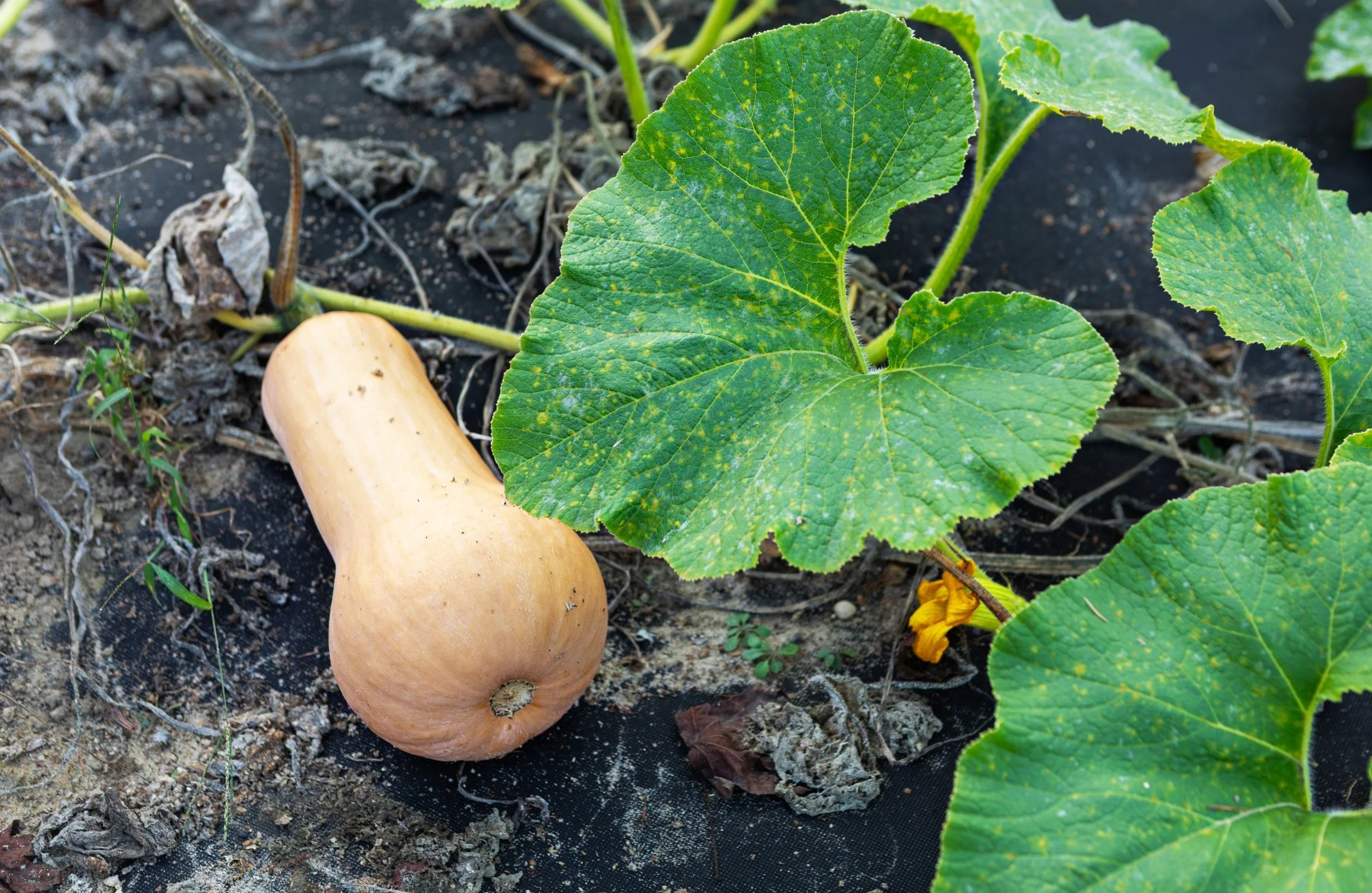
Butternut squash usually grows well in the UK during warm summers, but sometimes plants grow slowly or fail to produce fruit. This is often caused by temperature, watering, soil conditions, or pollination problems.
Improving growing conditions usually helps butternut squash plants grow more successfully.
Cool weather
Butternut squash grows best in warm conditions.
Cold weather can slow growth and delay fruit development.
Planting later in spring often improves results.
For planting advice, see when to plant butternut squash in the UK.
Poor pollination
Butternut squash relies on pollination for fruit development.
If flowers are not pollinated, fruits may not form.
Growing several plants together often improves pollination.
Irregular watering
Butternut squash needs steady moisture while growing.
Dry soil can affect fruit development.
Watering regularly during warm weather often improves results.
For watering advice, see how often to water butternut squash.
Poor soil conditions
Butternut squash grows best in compost-rich soil.
Adding compost before planting usually improves growth.
You can read more in best soil for vegetable gardening in the UK.
Growing butternut squash in containers
Butternut squash can grow well in containers with enough compost and watering.
For container advice, see growing butternut squash in containers.
Butternut squash grows best in warm conditions
With sunlight, steady watering, and warm weather, butternut squash usually produces reliable harvests.
Most problems improve once growing conditions become consistent.
For growing advice, see how to grow butternut squash in the UK.