How Often to Water Butternut Squash
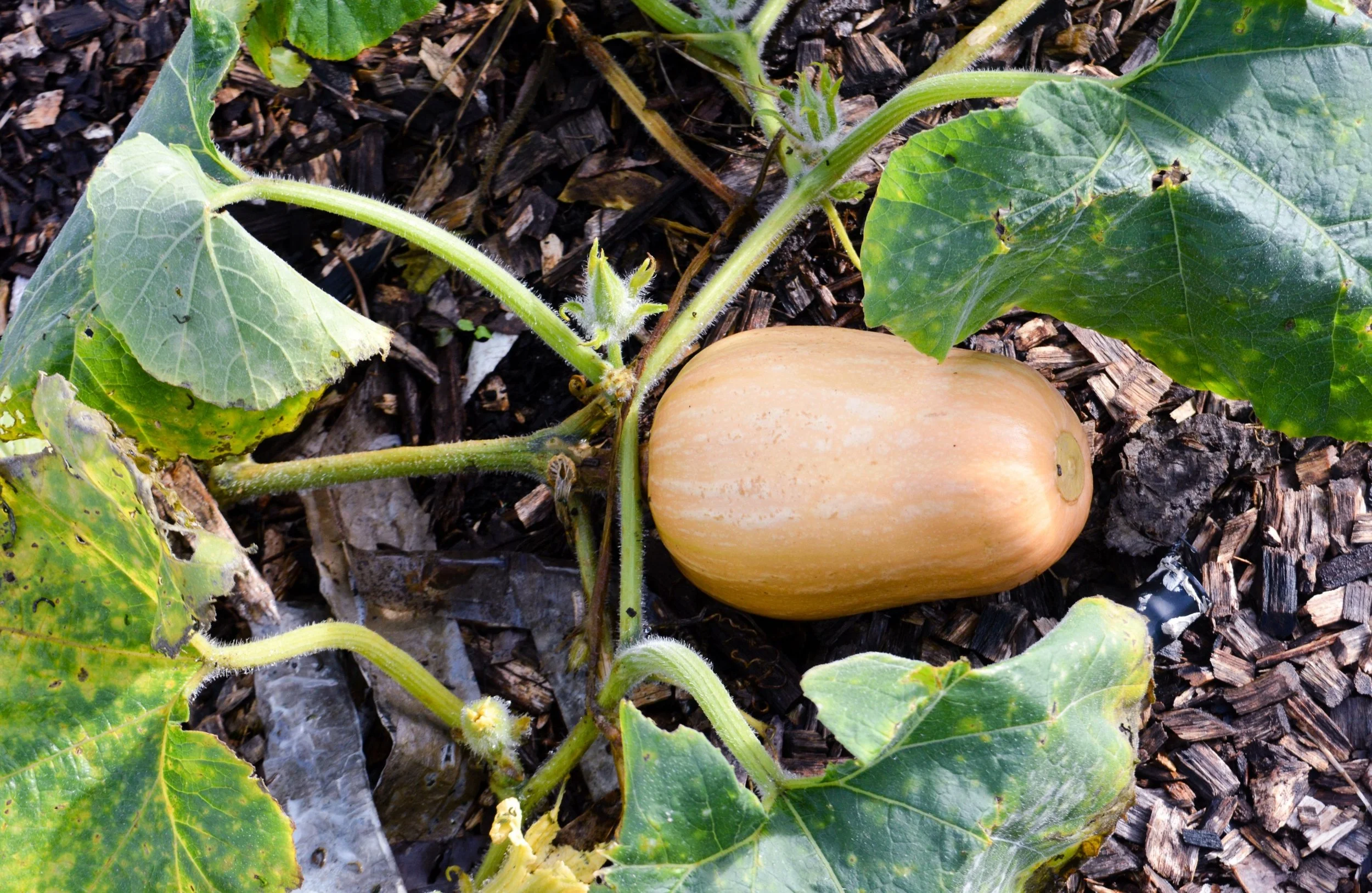
Butternut squash grows quickly during warm weather and needs steady moisture to support its big leaves and developing fruits. Dry soil slows growth and can leave you with fewer, smaller squashes, while soil that stays waterlogged can make the roots and stem rot.
Keeping the soil evenly moist throughout the growing season usually produces the best results. How much water that takes depends on the weather, your soil, and whether your squash is growing in the ground or in a container.
How often should you water butternut squash?
Water butternut squash thoroughly during dry spells, and especially once the plants are flowering and the fruits are swelling. The aim is soil that stays evenly moist a few centimetres down, never bone dry and never soggy. In the ground, check every couple of days in dry weather and give a deep soak whenever the soil feels dry below the surface. Squash in containers dries out much faster and may need watering every day in hot weather.
Watering by growth stage
Just planted out: water each plant in well, then keep the soil moist for the first couple of weeks while the roots settle.
Growing fast: as the vines spread and the leaves get bigger, the plants use more water. Water whenever the soil dries out a few centimetres down.
Flowering and fruit swelling: this is when butternut squash is at its thirstiest. Regular, deep watering now helps the squashes fill out properly.
Late summer ripening: keep watering in dry spells so the plants stay healthy while the skins toughen, but don't let the fruits sit on wet soil. A tile, a piece of wood or a bed of straw underneath each squash helps stop rotting.
Watering butternut squash in garden beds
Butternut squash growing in garden soil usually needs watering during warm, dry periods, especially while the fruits are developing.
Water deeply so the moisture reaches the roots, rather than giving a light sprinkle that only wets the surface. The soil should feel damp a little way below the surface.
How to water squash properly
Aim the water at the soil, not the leaves. Wet foliage makes mildew more likely.
Use a sunken pot. When you plant out, bury an empty flowerpot up to its rim beside each squash and fill that with water each time. It drains straight down to where the roots are, instead of running off across dry ground.
Keep the base of the stem dry. Squash stems can rot if they sit in wet soil, so water around the plant rather than over its centre.
Mulch. Spread a thick layer of garden compost around the plants after watering to lock in moisture, leaving a small gap around the stem.
Water in the morning if you can, so any splashes on the leaves dry off during the day.
Watering butternut squash in containers
Container-grown butternut squash needs watering more often because compost dries out quickly, and a large plant can empty a pot of moisture in a single hot day.
Check the compost daily in warm weather, pushing a finger in to feel whether it's dry below the surface.
Water until it drains out of the bottom of the pot.
Choose the biggest container you can. More compost holds more water and gives the roots more room.
When the first squashes begin to fatten, give pot-grown plants a fortnightly boost with a liquid tomato feed, which is rich in potash. Plants in the ground rarely need this.
For container advice, see growing butternut squash in containers
When butternut squash needs more water
Butternut squash needs the most water when:
plants are growing quickly
leaves are large and spreading
fruits are developing
the weather turns hot
Consistent watering helps the fruits grow evenly.
Signs your squash needs more (or less) water
Too little water: leaves wilting through the day and not recovering by evening, flowers and baby fruits dropping, and white, powdery mildew spreading across the leaves. Dry roots make mildew much more likely.
Too much water: yellowing leaves, soft or rotting stems at soil level, and fruits rotting where they touch the ground.
Don't be fooled by afternoon wilting. Big squash leaves often droop in the afternoon heat and perk up again in the evening. That on its own is normal, and it doesn't always mean the plant needs water. Check the soil before you reach for the watering can.
Avoiding overwatering
Too much water can leave the soil waterlogged, which starves the roots of air. Good drainage helps prevent this, so before planting, dig plenty of compost into the planting spot, and in heavy soil, plant on a slight mound so the stem sits above any puddles.
You can read more in how often to water a vegetable garden
Healthy butternut squash growth
Butternut squash usually grows best when:
the soil stays evenly moist
the watering is deep and steady
containers are checked regularly
the leaves stay dry
For growing advice, see how to grow butternut squash in the UK
For picking and storing, see when to harvest butternut squash
Common questions
How many times a week should I water butternut squash?
In dry weather, check the soil every couple of days and water deeply whenever it's dry a few centimetres down. That might be two or three times a week in a warm spell. In pots, check every day, as they can need watering daily in hot weather.
Does underwatering cause powdery mildew on squash?
Yes, if the soil stays dry. Powdery mildew is much more common on squash plants that are short of water. Watering the soil regularly, rather than the leaves, helps keep it at bay.
Why are my squash leaves wilting even though I've watered?
Not necessarily a problem. Big squash leaves often wilt in the heat of the afternoon and recover in the evening. If they're still limp the next morning, the soil is too dry and the plant needs a thorough soak.
Should I keep watering squash when the fruits are ripening?
Keep watering during dry spells so the plant stays healthy, but lift the fruits off wet ground on a tile or some straw. You can ease off once the fruits are fully grown and the skins have hardened, ready for harvest.
Growing advice checked against RHS guidance.