Growing Butternut Squash in Containers
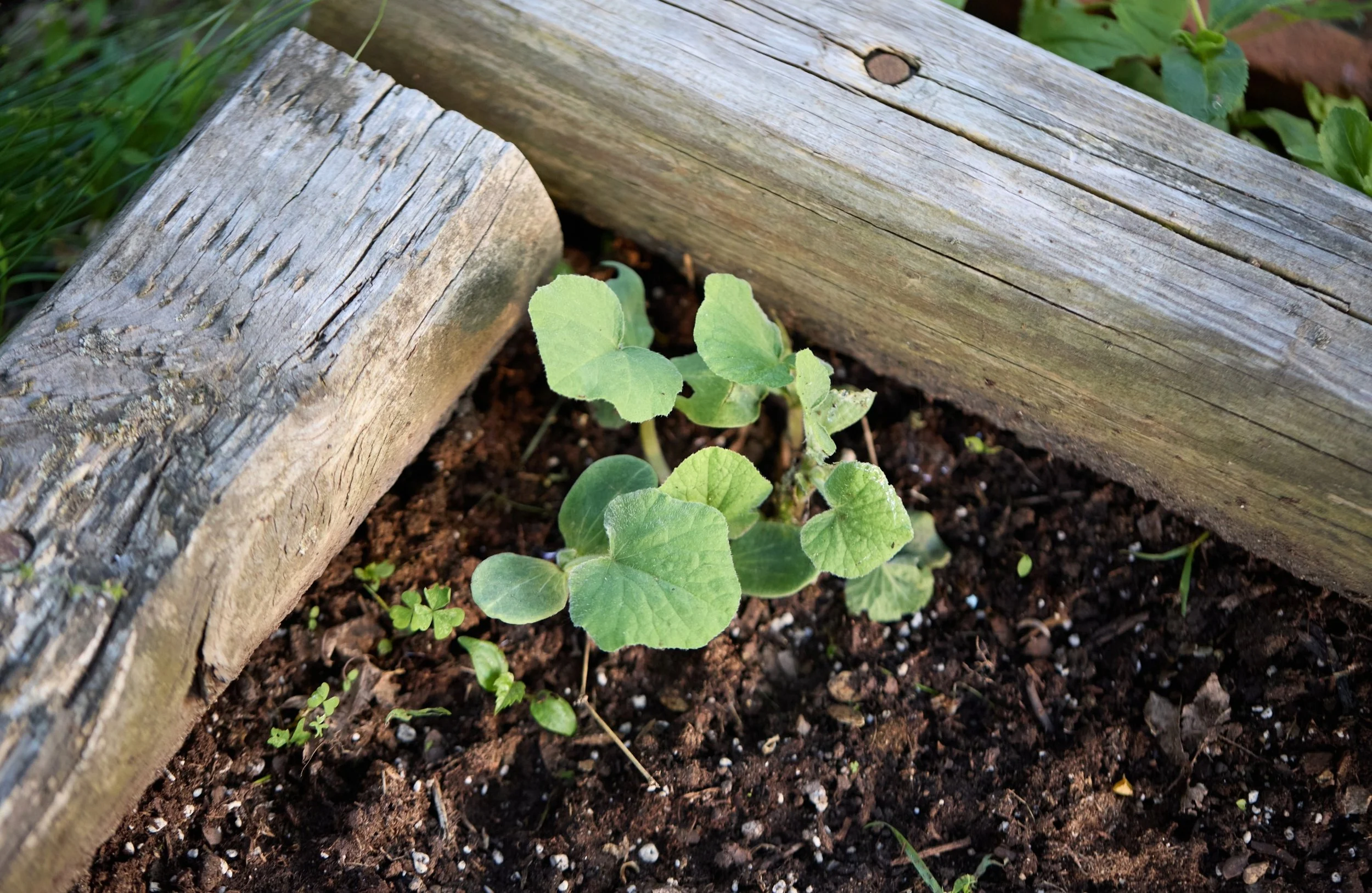
Butternut squash is a trailing plant with a long season, which makes it a more ambitious container crop than a bush courgette. It can be done, and done well, but two things decide the outcome: giving the roots a big enough pot, and getting the fruits ripe before the first frosts arrive.
Quick answer
Give each plant its own container, no less than 45 cm in both width and depth, or a growing bag, filled with a peat-free compost. Wait for the frosts to finish before planting out, and choose the warmest, most sheltered corner you have. Train the vines up a sturdy frame or let them trail along the ground beside the pot, limit each plant to two or three fruits, water generously and feed every 10–14 days once fruits start swelling. Harvest before the first frost and cure the fruits in the sun.
Choosing a container
Butternut squash is a hungry, thirsty plant with a substantial root system, so go as large as you reasonably can:
a tub measuring 45 cm or more in width and depth, holding a single plant
a growing bag, again with a single plant
a half barrel or similar large tub
Drainage holes are essential, and a pot raised slightly on feet drains better and is less likely to sit in a puddle after heavy rain. Bear in mind that a large pot full of wet compost is extremely heavy, so put it in its final position before filling it.
Compost
Either a peat-free multi-purpose compost or a soil-based one will do. Of the two, soil-based holds on to moisture and nutrients for longer, which matters for a crop sitting in the same pot from early summer until autumn. A few handfuls of homemade compost or rotted manure stirred through gives the plant a richer footing.
Our soil and compost guide goes into the differences.
Planting
This is a tender crop that won't survive frost, so keep plants under cover until spring frosts are done, giving them a week or so outdoors by day to acclimatise beforehand. Plant one young plant per container, firming it in gently and watering well.
Timings for your area are in when to plant butternut squash in the UK
Managing the vines
This is where container squash differs most from courgettes. Butternut vines can run several metres, which is far more than a patio pot can contain on its own. You have three options:
Train them upwards. A strong trellis, obelisk or wigwam of canes behind the pot lets the vines climb, tied in loosely as they grow. Heavy fruits will need supporting in a net or fabric sling once they start to swell.
Let them trail. If there's room, allow the vines to run along the ground or over a wall beside the container. Slipping a tile or piece of wood under each developing fruit keeps it off damp ground and stops it rotting.
Train them in circles. Curl the vines round the pot, pegging them down with canes as they grow, to keep the plant within a smaller footprint.
Compact or bush squash varieties make the job much easier in a small space, so check the seed packet before buying.
Watering
A squash plant in a pot has a large leaf area and a small reservoir, so it needs plenty of water, particularly once fruits are forming. In hot weather that can mean watering daily. A useful trick is to bury a small empty pot in the compost next to the plant at planting time; fill that each time you water and the moisture goes straight where the roots are, instead of skidding off the top.
Direct the water at the compost, keeping the big leaves dry, since damp foliage invites powdery mildew. Spreading a mulch across the compost slows evaporation, though keep it clear of the stem itself, which will rot if kept constantly wet.
How often to water butternut squash sets out the full routine.
Feeding
Plants in the ground often manage without extra feeding, but container plants can't. From the moment fruits begin to fatten, give a liquid feed rich in potassium, such as a tomato fertiliser, at intervals of roughly a fortnight until the end of the season.
Position
Put the pot where it will get the most sun and the least wind, leaving space around it so air can move freely. Crowded, still air encourages mildew, while sun and warmth are what ripen the fruits.
Limiting the fruit
A container plant has fewer resources than one in open ground, so it's better to have two or three well-ripened butternuts than five that never mature. Once that many fruits have set, pinch out the growing tips and remove any later flowers so the plant puts everything into finishing what it has.
Harvesting and curing
Butternuts need to ripen fully on the plant, so leave them as long as you can and cut them before the first frost, keeping a good length of stalk attached. Then cure them, leaving the fruits in the sun for around 7–10 days to toughen the skins. That curing step is what turns a squash that keeps for weeks into one that keeps for months.
See when to harvest butternut squash for the ripeness tests, and how to grow butternut squash in the UK for the full growing guide. If plants are struggling, why butternut squash doesn't grow covers the usual causes.
Common questions
What size container does butternut squash need?
A minimum of 45 cm in width and depth, holding just one plant. A growing bag with a single plant is equally good.
Can butternut squash grow up a trellis?
Yes, and it's a good way to save space in a small garden. Tie the stems in as they lengthen, and cradle each fruit in a net or fabric sling once its weight starts to tell.
How many butternut squash will one container plant produce?
Two or three well-ripened fruits is a realistic target for a container plant. Pinching out the tips once those have set helps them mature in time.
Do container butternut squash need feeding?
Yes, from the point the first fruits begin to fatten. A potassium-rich liquid feed roughly every fortnight keeps them going.
Container sizes, feeding intervals and curing checked against RHS guidance.