Vegetable Companion Planting (UK Guide)
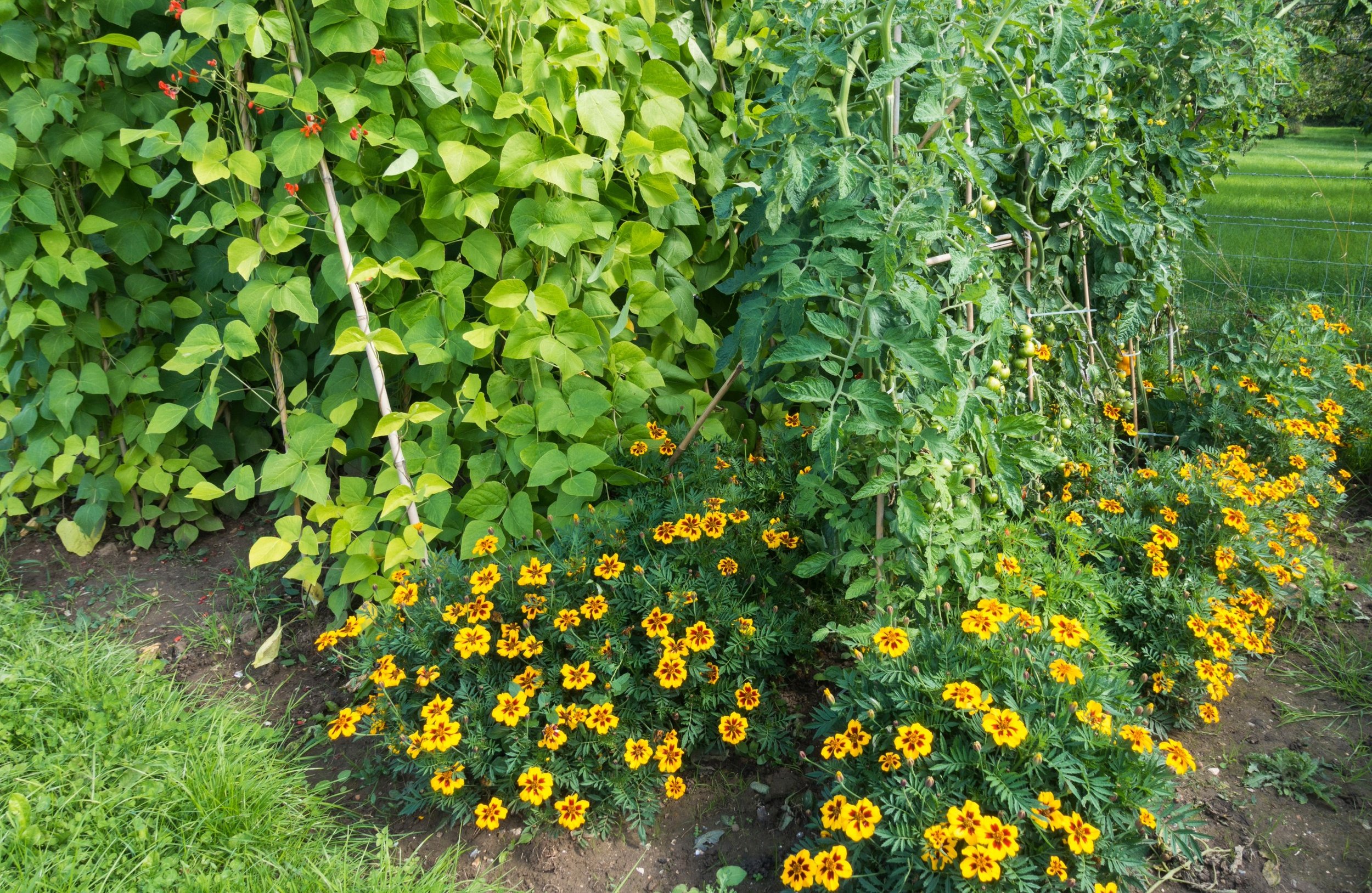
Companion planting is a simple way to grow healthier vegetables by planting certain crops together. Some plants help improve growth, reduce pests, or make better use of space, making this approach especially useful for beginner gardeners.
In the UK, companion planting can work well in garden beds, raised beds, and containers. It does not need to be complicated — small combinations can make a noticeable difference.
What is companion planting?
Companion planting means growing vegetables alongside plants that benefit each other. Some combinations help repel pests, improve soil conditions, or provide shade and support.
Rather than strict rules, companion planting works best as a flexible guide that helps you experiment and observe what works in your garden.
For beginners, it can be a simple way to create healthier growing conditions without using complicated methods.
Benefits of companion planting
Growing compatible vegetables together can provide several advantages.
Companion planting can help reduce pests naturally by confusing insects or attracting beneficial wildlife. It can also make better use of space, particularly in small gardens where mixing crops allows more efficient planting.
Some combinations may also support pollination and improve soil health, helping plants grow more steadily throughout the season.
If you are new to gardening, you can read more in how to start a vegetable garden.
Common companion planting combinations
Many vegetables grow well alongside certain plants.
Tomatoes are often planted with basil, lettuce, and flowers such as marigolds. These combinations can help reduce pests while using space efficiently. You can read more in how to grow tomatoes in the UK.
Carrots grow well near onions or spring onions, which can help deter some pests while allowing both crops to grow close together. See how to grow carrots in the UK.
Beans can be planted with crops such as courgettes and sweetcorn, creating a mixed growing space where plants support each other. See how to grow beans in the UK.
These simple combinations are often enough for beginner gardens.
Plants that may not grow well together
Some vegetables compete for nutrients or space, which can slow growth if planted too closely.
Overcrowding is usually a bigger problem than specific plant combinations. Giving vegetables enough room often prevents most issues.
Observing plant growth over time helps you adjust combinations in future seasons.
Companion planting in small gardens and containers
Companion planting can be particularly useful in smaller spaces. Mixing fast-growing crops such as lettuce with slower crops allows you to harvest continuously while making the most of available space.
Container gardening also benefits from simple combinations, such as herbs grown alongside vegetables in larger pots.
You can read more in growing vegetables in containers in the UK.
Simple companion planting tips for beginners
Companion planting works best when you keep it simple.
Start with one or two combinations rather than changing your entire garden layout. Choose vegetables you already plan to grow and experiment with small adjustments.
Regular observation helps you understand what works in your garden conditions. Rotating crops each season can also support healthier soil.
For seasonal planning, see vegetable growing calendar (UK).
Companion planting as a flexible approach
Companion planting does not need to be perfect to be helpful. Even small combinations can support plant health and make gardens more productive.
For beginners, it is best seen as a practical tool rather than a strict set of rules.
If you are choosing easy crops, see easy vegetables to grow in the UK.
Easy companion planting combinations for beginners
Some companion planting combinations are especially simple to try.
Tomatoes grow well alongside basil and lettuce, which helps make use of space while supporting plant health. See how to grow tomatoes in the UK.
Carrots and onions are often planted together because their scents can help deter certain pests. See how to grow carrots in the UK and how to grow onions in the UK.
Beans, sweetcorn, and squash are sometimes grown together as a mixed planting combination that allows plants to support each other while covering the soil.
Lettuce can be planted between many slower-growing vegetables, providing quick harvests while other crops develop.
Starting with one or two combinations is usually enough for beginner gardens.
Some companion planting combinations are especially simple to try.
Tomatoes grow well alongside basil and lettuce, which helps make use of space while supporting plant health. See how to grow tomatoes in the UK.
Carrots and onions are often planted together because their scents can help deter certain pests. See how to grow carrots in the UK and how to grow onions in the UK.
Beans, sweetcorn, and squash are sometimes grown together as a mixed planting combination that allows plants to support each other while covering the soil.
Lettuce can be planted between many slower-growing vegetables, providing quick harvests while other crops develop.
Starting with one or two combinations is usually enough for beginner gardens.