How to Grow Tomatoes in the UK
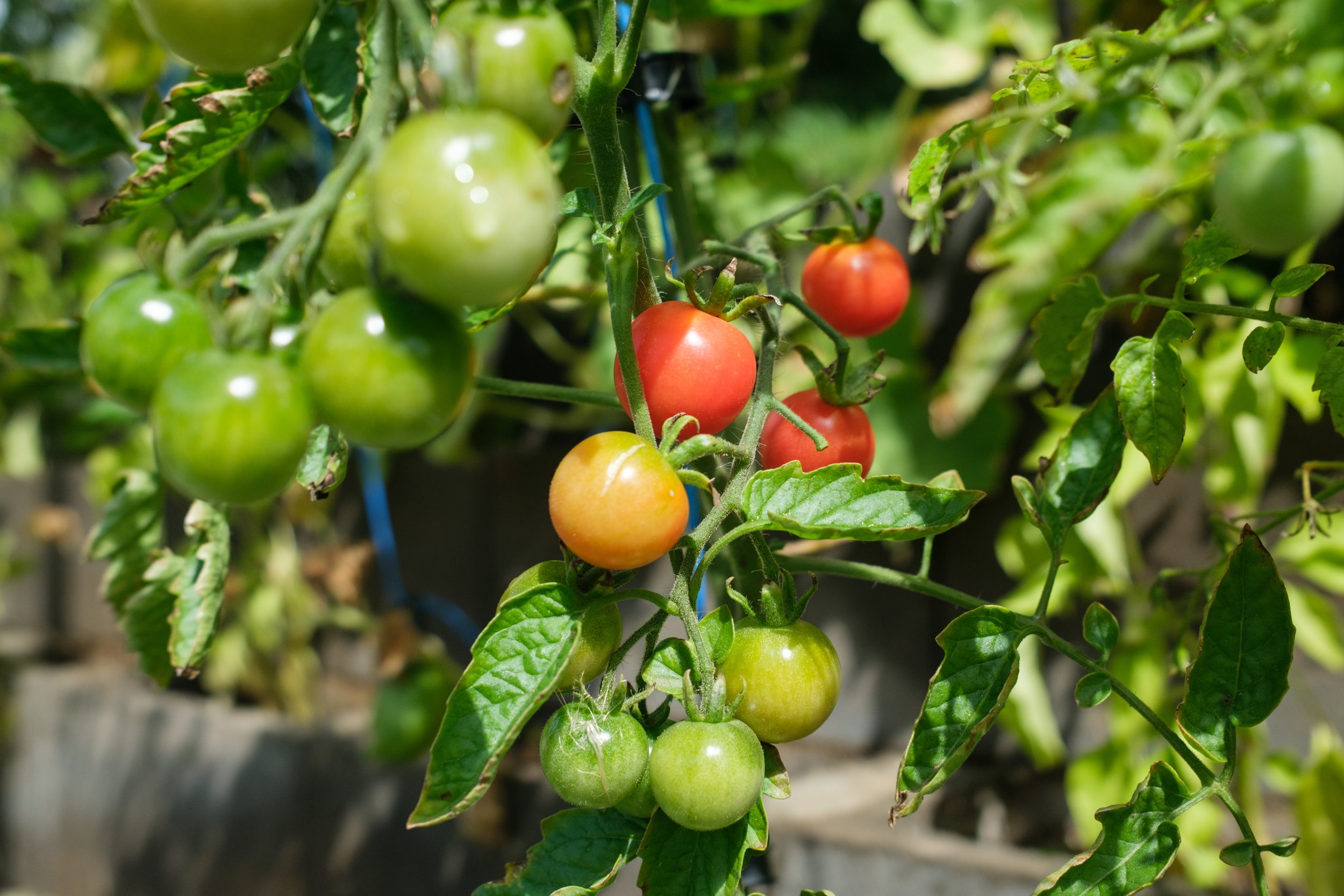
Tomatoes are the crop that turns people into gardeners. One plant on a patio can keep you in fruit for months, and the difference between a shop tomato and one picked warm off the vine is the reason most people start growing anything at all.
Nearly everything about caring for a tomato plant depends on one thing, which many guides skip entirely: whether it’s a cordon or a bush variety. Get that straight first and the rest falls into place.
Quick facts
Sow: late February to mid-March for greenhouse plants, late March to early April for outdoor ones
Germination: around 18°C
Plant out: early summer, when 16°C has become the reliable baseline
Spacing: 45–60 cm apart in the ground
Containers: one plant per 30–45 cm pot, or two per growing bag
Harvest: from midsummer into autumn
First: cordon or bush?
Look at the label or packet before you do anything else: the two types want entirely different treatment.
Cordon varieties, also called indeterminate, grow as a single tall stem and keep going all season. They need something to climb, regular tying in, and their side shoots removed. The payoff is a long picking season from a narrow footprint. Most familiar varieties are cordons.
Bush varieties, also called determinate, grow into a compact, spreading plant that stops at a certain size and crops over a shorter window. They need no side-shooting and little or no support, though a heavy crop may want a short cane. Trailing types suit hanging baskets and window boxes. These are the easiest for a first-timer.
If you do nothing else, remember this: side shoots come off cordons and stay on bush plants.
Sowing
Sow indoors from late February to mid-March if the plants are destined for a greenhouse, or late March to early April for outdoors. There’s no advantage to sowing outdoor tomatoes early, as they’ll only outgrow the windowsill before it’s warm enough to plant them.
Germination needs around 18°C. Use a propagator if you have one, or seal the pot in a clear bag on the warmest windowsill in the house. Seedlings generally show within a fortnight, and from then on light counts for more than warmth. Put them somewhere really bright or they’ll stretch and keel over. See leggy seedlings if that happens.
Our tomato planting guide breaks the dates down by region and growing method.
Pricking out and growing on
When the first proper leaves appear, shift each seedling into its own pot of peat-free multi-purpose compost. Lift them by a leaf, never the stem, which bruises and won’t recover.
A stretched seedling can simply be set deeper, until its lowest leaves are only just clear of the compost. Tomatoes root from buried stem, so this rescues most stretched plants rather than wasting them.
Keep them at 16°C or above, water regularly, and expect to plant out about a month later.
Planting out
Hold off until 16°C is the dependable minimum, which for most of the country means early summer. Harden the plants off first, over a week or two, as described in our hardening off guide.
Plant deeply, with the first leaves just above soil level, and the buried section of stem will put out extra roots. Pick the spot with the most sun and the least wind, setting plants 45–60 cm apart according to variety.
Tomatoes want rich soil that holds moisture but drains freely, improved with garden compost. Try not to grow them in the same bed two years running, as soil diseases build up.
Containers and growing bags
Tomatoes do very well in pots, which is why so many people grow them on patios. Allow one plant to a container of 30–45 cm, or two to a standard growing bag, using a peat-free compost, loam-based for preference.
A tall cordon in a pot is top-heavy, so stand it somewhere sheltered, ideally against a sunny wall, and give it a cane or string from the start. Our full guide is growing tomatoes in containers in the UK
Supporting the plants
Tomatoes don’t climb by themselves. They have no tendrils and won’t cling to anything, so every bit of support has to be attached by hand.
Give a cordon a stout cane, or run a string down from something solid overhead and trap its lower end beneath the rootball as you plant. Then either tie the stem in every so often as it climbs, or wind the string loosely round the top of the plant as it extends. More detail is in how to support tomato plants
Pinching out side shoots
Cordons only. Side shoots are the little shoots that sprout where each leaf joins the stem. Left alone, these turn the plant into a mass of foliage with very little fruit.
Look for them each time you water and rub them out between finger and thumb while they’re tiny. It takes seconds and it’s the single biggest thing you can do for a cordon tomato.
Bush varieties keep all their shoots. If they flop under the weight of fruit, tie them loosely to a short cane.
Stopping the plant
Also cordons only. Once a plant has run out of cane, or carries roughly seven trusses under glass and four outside, take out the growing tip, leaving two leaves above the highest truss.
This stops the plant putting energy into more growth it hasn’t time to ripen, and pushes it into finishing the fruit already set. Outdoor plants in particular run out of season before they run out of ambition.
Watering
Steady, even watering is what separates good tomatoes from split ones. Keep the soil or compost consistently moist: swings between dry and soaked cause fruit to split and bring on blossom end rot, the sunken dark patch at the base of the fruit.
Pots may need watering daily in hot weather. One good dodge is to bury a 15 cm pot alongside each plant and fill that instead, sending the water down to the roots rather than letting it collect around the stem.
Leaves curling in the heat often means the plant is short of water. Our tomato watering guide sets out amounts and frequency.
Feeding
Start feeding once the first fruits begin to swell, not before: feeding too early gives you a magnificent leafy plant and not much else. Use a high-potassium liquid tomato feed every 10 to 14 days.
Plants in well-enriched ground may manage without, though feeding usually increases the crop. Container plants always do, since a bag of compost is exhausted within a few weeks. See how often to feed vegetable plants.
If flowers are appearing but not setting fruit, see why tomato plants aren’t flowering. For yellowing leaves, why tomato leaves turn yellow works through the causes.
Under glass
Greenhouse tomatoes crop earlier and for longer, and they largely escape blight. The one thing to watch is pollination: open the vents and door regularly so insects can get in, and give the flower trusses a light tap or a mist of water to shift the pollen. See what vegetables you can grow in a greenhouse
Blight and other problems
Blight is the big one for outdoor tomatoes in Britain. It arrives in warm, wet weather and shows as brown patches on leaves and stems, then on the fruit, often destroying a plant within days. Greenhouse plants are rarely affected. Growing blight-resistant varieties and keeping foliage dry both help, and there’s no cure once it takes hold.
Other common issues:
Split or cracked fruit, from fluctuating moisture, usually in late summer
Blossom end rot, a dark sunken patch at the base of the fruit, caused by irregular watering
Grey mould, a fuzzy fungal growth in damp, still air, so keep greenhouses ventilated
Whitefly under glass, which leave sticky honeydew on the leaves
Harvesting
Fruit starts ripening from midsummer, with cherry varieties first and greenhouse plants ahead of outdoor ones. Look over the plants every couple of days and pick once the colour is full, keeping the stalk attached.
At the end of the season you’ll always have green tomatoes left. You can pull up the whole outdoor plant and leave it on straw beneath a cloche to finish off, or bring the fruit inside to a warm, dark spot. A banana in the drawer alongside them speeds things up, as the ethylene it gives off triggers ripening.
See when to harvest tomatoes for the ripeness tests.
Common questions
When should I sow tomato seeds in the UK?
Late February to mid-March for greenhouse plants, and late March to early April for outdoor ones. Seeds need around 18°C to germinate.
Do I need to pinch out tomato side shoots?
Only on cordon varieties, where it’s essential. Bush varieties keep all their shoots. Check the label if you’re not sure which you have.
Why are my tomatoes splitting?
Uneven watering, where the compost dries out and is then soaked. Keep moisture levels steady, especially for plants in pots.
When should I start feeding tomatoes?
Once the first fruits begin to swell, using a high-potassium tomato feed every 10 to 14 days. Feeding earlier produces leaves at the expense of fruit.
What do I do with green tomatoes at the end of the season?
Lift the plants and lay them under cloches to ripen, or bring the fruit indoors somewhere warm and dark, with a banana alongside to speed it along.
Sowing temperatures, spacings, feeding and training based on RHS guidance.