Why Vegetable Plants Stop Growing (and How to Fix It)
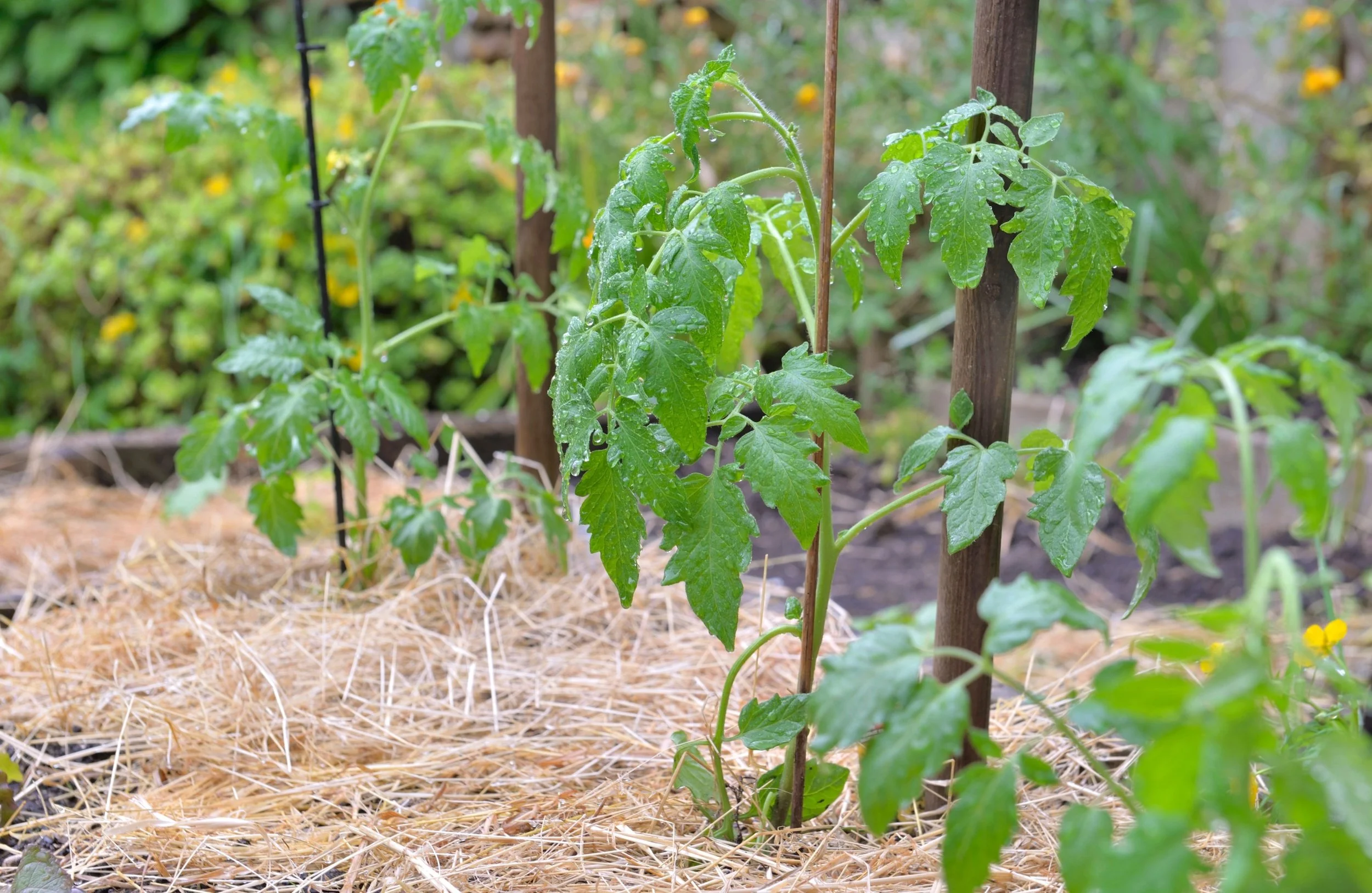
Your plants got off to a flying start, putting on new leaves every few days, and then, somewhere around early summer, everything seemed to freeze. There's no obvious damage and nothing has died, but the plant simply isn't getting any bigger. When a healthy plant stalls partway through the season, something has usually changed: the weather, the soil, the roots or the plant's own stage of life. Pinning down what changed is the quickest way to get it moving again.
If your plants have been sluggish from the moment they went in, head to why vegetables aren't growing instead.
Quick answer
A vegetable plant that was growing well and then stopped has usually run into one of a few changes: a spell of cold or very hot weather, compost or soil that has run out of food, roots that have filled their pot, soil that has become parched or soggy, or pests at the roots or on the shoots. Some slowdowns are completely normal, such as a plant putting its energy into flowers and fruit, or growth easing off as the days shorten in autumn. Look at the recent weather, the soil and the roots first, as between them they explain most stalls.
First, is it really a problem?
Not every pause means something is wrong. Growth often slows or stops for perfectly natural reasons:
The plant is cropping. Once tomatoes, courgettes, beans and peppers start flowering and setting fruit, much of their energy goes into the crop, and fresh leafy growth slows down.
You've pinched out the top. Cordon tomatoes are stopped once they've set enough trusses of fruit, usually around four outdoors, and broad beans and runner beans are often topped too. Upward growth is meant to end there.
It has reached full size. Lettuces, cabbages, onions and root crops stop getting much bigger once they're mature. That's your cue to harvest.
Its season is over. Peas, early potatoes and some beans naturally fade once they've done their job.
Autumn has arrived. As the days shorten and nights cool, growth slows right down. Winter crops such as leeks, kale, parsnips and Brussels sprouts hardly grow at all from late autumn to early spring, but they'll stand in the ground quite happily until you need them.
If none of these fit, and the plant looks tired, pale or stunted, work through the causes below.
What changed?
Stopped soon after planting out: see "Transplant shock".
Stopped after a cold night or chilly spell: see "A cold snap".
Stopped in hot, dry weather: see "Heat and drought".
Growing in a pot and slowing down after a few weeks: see "The pot is too small" and "The food has run out".
Lower leaves turning pale or yellow: see "The food has run out".
Stopped after a lot of rain: see "Waterlogged soil".
Droops in the heat of the day and perks up by evening, despite damp soil: see "Trouble at the roots".
Curled, sticky shoot tips covered in tiny insects: see "Pests on the shoots and leaves".
New leaves twisted, cupped or fern-like: see "Contaminated manure".
Leaves mottled yellow and green: see "Viruses".
Surrounded by weeds or bigger neighbours: see "Competition".
Transplant shock
A young plant raised in a pot often pauses for a week or two after it goes into the ground, while its roots spread out into the new soil. That's nothing to worry about. If the pause drags on, or the leaves turn pale or scorched, the plant was probably put outside too suddenly, planted into dry soil, or kept in its pot so long that the roots had become a tangled mat.
Fix it: water well and shade the plant from strong sun for a few days while it settles. For the next batch, acclimatise young plants slowly (see how to harden off seedlings), give the pots a good drink the day before, and tease apart any circling roots as you plant.
A cold snap
Warmth-loving crops like tomatoes, courgettes, squash, sweetcorn, French and runner beans, cucumbers, peppers and chillies come to a halt when the temperature drops. A few chilly nights in late spring or early summer can hold them back for a week or more, and the leaves may turn purplish, yellow or pale at the edges.
Fix it: on cold nights, drape horticultural fleece over young plants, and shift pots into the shelter of a sunny wall or back into the greenhouse. Growth normally restarts once warmer weather returns. If cold snaps catch you out every year, wait an extra week or two before moving tender crops outside. When to plant vegetables in the UK gives safe planting-out dates for each crop.
Heat and drought
A hot, dry spell can stall plants just as effectively as cold. In high summer, many crops slow down to conserve water, and cool-season crops such as lettuce, spinach, peas, radishes and brassicas often stop growing altogether or run to seed. Pots, growing bags and raised beds dry out fastest.
Fix it: water early or late in the day, soaking the ground thoroughly rather than just wetting the top, and spread a mulch over bare soil to slow evaporation. In a heatwave, shift pots somewhere with afternoon shade and open greenhouse doors and vents. Our guide to how often to water a vegetable garden explains how much to give, and signs of underwatering helps you spot thirsty plants early. If plants are flowering instead of growing, read why plants bolt.
The pot is too small
A plant in a pot can only grow as big as its roots allow. Once the roots fill the compost, they start to circle round the inside of the pot, and water tends to run straight through without soaking in. The plant may look perfectly healthy, yet it stops getting any bigger.
Fix it: slide the plant out and look. If you can see more roots than compost, move it into a larger container, loosening the outer roots first. For most vegetables, the RHS recommends containers at least 45 cm deep and wide, as anything smaller dries out and runs short of food much faster. Our guide to growing vegetables in containers has sizes for each crop.
The food has run out
The nutrients in a bag of fresh potting compost last only a few weeks. After that, plants in pots and growing bags start to go hungry and growth slows. Greedy crops in the ground, such as tomatoes, courgettes, squash, leeks and cabbages, can run short too, especially on light, sandy soil or once they're carrying a heavy crop. The oldest, lowest leaves usually turn pale or yellow first.
Fix it: give container plants a liquid feed regularly. The RHS recommends feeding vegetables in pots every fortnight with a general-purpose liquid feed, and fruiting crops such as tomatoes and peppers benefit from a high-potash tomato feed once they start flowering. In the ground, scatter a general fertiliser around the plants or mulch them with well-rotted compost. See how often to feed vegetable plants and why vegetable leaves turn yellow.
Waterlogged soil
Weeks of rain or a run of heavy downpours can leave soil saturated, particularly on clay. When the tiny air pockets in the soil fill with water, roots can't work properly, so plants sit still, turn yellow and may even droop while standing in wet ground. Pots without drainage holes, or pots left standing in saucers of water, cause the same trouble.
Fix it: stop watering until the top few centimetres have dried out. Raise pots on feet and empty any saucers. Keep off wet beds, as treading on them squeezes out what little air is left. For beds that stay wet, see how to fix waterlogged soil and signs of overwatering
Trouble at the roots
When a plant has stalled and goes limp in the warmth of the day despite damp soil, suspect the roots. Ease the plant up gently with a fork and take a look.
Small white maggots eating the roots of cabbages, cauliflowers, turnips or other brassicas: cabbage root fly. Next time, protect young plants under insect-proof netting, or slip a brassica collar around each stem at planting time, so the flies can't lay their eggs.
Swollen, knobbly roots on brassicas: clubroot, a disease that lives in the soil for many years. There's no cure, so lift affected plants and keep that bed free of the cabbage family for as long as you can. Raising brassicas in bigger pots before planting them out, and adding lime to acidic soil, both help.
White, waxy powder on lettuce roots: lettuce root aphid, mainly a summer problem. Water affected plants well, and next year grow resistant varieties in a different spot.
Fat, creamy, C-shaped grubs in the compost of pot-grown plants: vine weevil larvae. Pick out any you find, and consider a nematode biological control, which is watered into the compost in late summer.
Brown, soft, rotting roots: usually a sign of waterlogging. See "Waterlogged soil" above.
Pests on the shoots and leaves
Aphids such as greenfly and blackfly gather on shoot tips and the undersides of leaves, sucking sap and leaving new growth curled and stunted. Blackfly on broad beans and whitefly in greenhouses are frequent culprits. Affected leaves often become sticky, then black with sooty mould.
Fix it: rub out small colonies between finger and thumb, or hose them off. Nip out the tops of broad beans when the lowest flowers have set pods, since that soft growth is where blackfly tend to gather. Ladybirds, hoverflies, lacewings and small birds eat huge numbers of aphids, so encourage them into the garden. In a greenhouse, keep it well ventilated, and consider a biological control for whitefly.
Slugs and caterpillars can also strip new growth as quickly as it appears. To work out who's been eating what, see why vegetables get holes in leaves, and for protection, slugs eating vegetable plants
Contaminated manure
If new leaves on tomatoes, potatoes, beans, peas or chillies are curling into cups, look narrow and fern-like, or have prominent veins, and the plant has stopped growing, weedkiller residue may be the cause. Some farm manure contains traces of a long-lasting weedkiller called aminopyralid, which is sprayed on grassland. It passes through the animals that eat the grass and is still active in their manure, sometimes for years.
Fix it: there's no quick cure. Remove any contaminated manure you've used as a mulch, and keep the plants watered and fed, as some grow out of the damage. Soil bacteria break the chemical down over time, and turning the soil over several times during the warmer months speeds this up. Before using manure again, ask your supplier for a written assurance that it's free of weedkiller, or test it first by sowing a few broad beans in a pot of the manure mixed with compost, alongside a pot of plain compost. Distorted growth means it's contaminated. Homemade compost and leafmould are the safest soil improvers.
Viruses
A plant that stops growing and develops a yellow and green mottled pattern on its leaves, often with some crinkling or distortion, may be infected with a virus. Cucumber mosaic virus is one of the most common, affecting courgettes, cucumbers, marrows and squash, and it's spread from plant to plant by aphids.
Fix it: viruses can't be cured. Pull up and dispose of badly affected plants to stop aphids carrying the virus to healthy ones, and keep aphid numbers down. Look for resistant varieties next year.
Competition
As vegetables grow, their roots spread further than you might think. Weeds, crops squeezed in too tightly, or the roots of a nearby hedge or tree can take the lion's share of the water and nutrients, leaving your vegetables short just when they need the most.
Fix it: hoe or hand-weed regularly, especially through the first half of summer. If a row is overcrowded, remove every other plant and eat the thinnings where you can. Where possible, keep vegetable beds well away from hedges and trees, whose roots will quickly find rich, watered soil.
Getting a stalled plant growing again
Feel the soil a few centimetres down. If it's bone dry, water; if it's soggy, hold off.
Look at the shoot tips and under the leaves for pests.
Check the roots, especially on plants in pots.
Give hungry plants a liquid feed.
Protect plants from cold nights or scorching sun.
Be patient. Once the cause has been sorted out, most plants start putting on fresh growth within a week or two.
For help with a particular crop, why vegetables aren't growing links to our guides for each vegetable. If you're just starting out, our beginner's guide on how to start a vegetable garden in the UK covers the basics, and the most common vegetable gardening mistakes are easy to avoid once you know them.
Common questions
Why have my vegetable plants stopped growing?
Usually because something has changed since they were growing well: cold or very hot weather, dry or waterlogged soil, compost that has run out of nutrients, a pot that's too small, or pests at the roots or shoots. Growth also slows naturally once plants start cropping and as autumn sets in.
Why have my plants in pots stopped growing?
Most often, the roots have filled the pot or the compost has run out of food, which tends to happen a few weeks after planting. Move them into a bigger container and start feeding regularly.
Do vegetables stop growing in hot weather?
Many do. In a heatwave, plants slow down to save water, and cool-season crops like lettuce, peas and spinach may stop altogether or bolt. Water deeply, mulch the soil and give pots some afternoon shade.
Will my plants start growing again?
Usually, yes. Once the cause is fixed, most start growing again within a week or two. Plants with clubroot, a virus or badly damaged roots rarely recover and are best removed.
Why has my tomato plant stopped growing taller?
If you've pinched out the top, it's meant to stop. Otherwise, check for cold nights, dry compost, a pot that's too small, or a lack of feed once the fruit starts to form.
Container sizes, feeding and pest control checked against RHS guidance.