How to Fix Waterlogged Soil in a Vegetable Garden
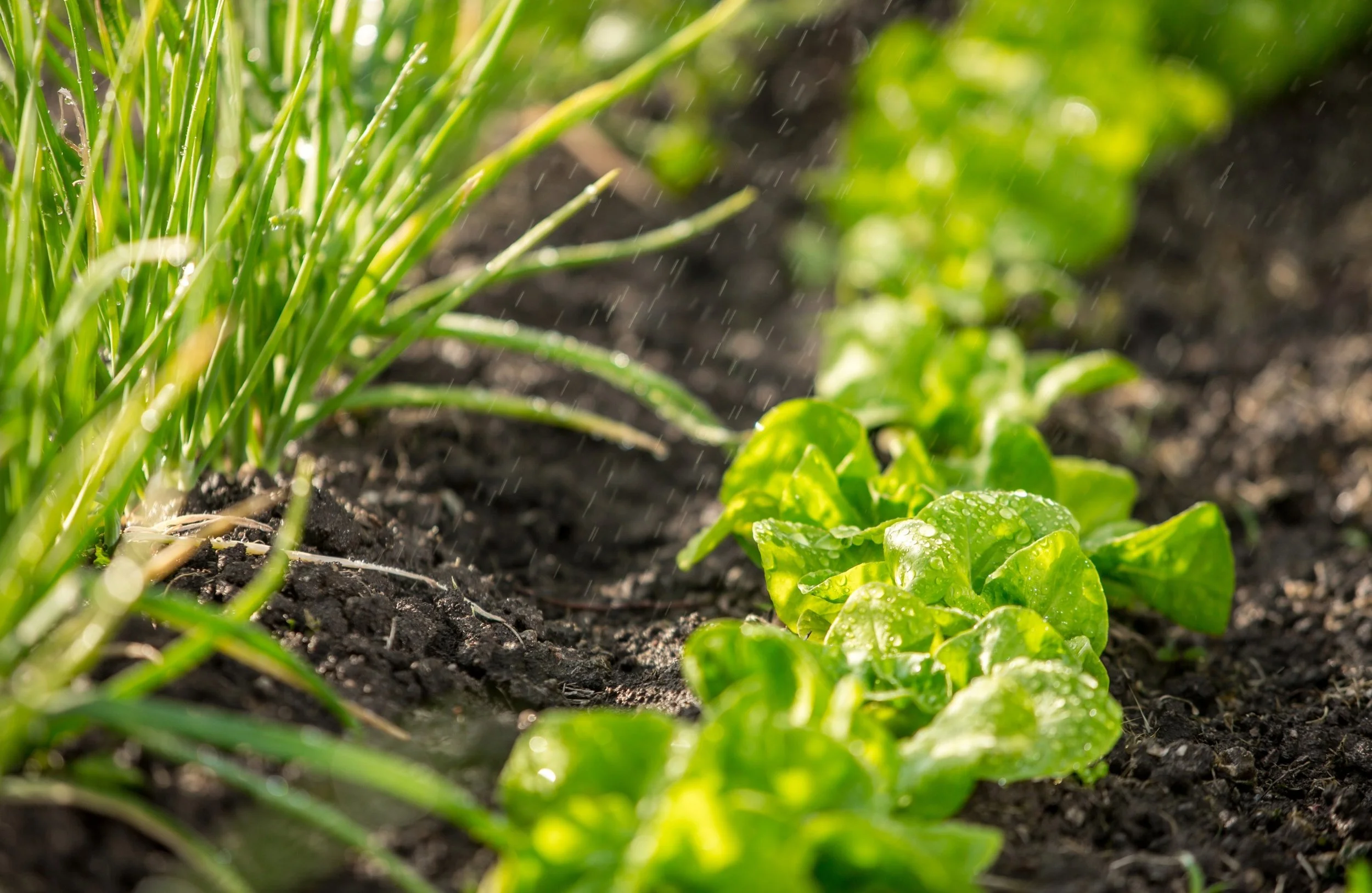
Waterlogged soil can prevent vegetables from growing properly. When soil stays too wet, roots struggle to get enough air, which can slow growth or damage plants.
Improving drainage usually helps soil recover.
Signs soil is waterlogged
You may notice:
soil stays wet for long periods
plants grow slowly
leaves turn yellow
water sits on the surface after rain
These signs often mean soil is not draining well.
You can read more in signs of overwatering vegetables.
Improve soil with compost
Adding compost can help soil structure.
Compost improves drainage while helping soil hold the right amount of moisture.
This is one of the simplest ways to improve heavy soil.
You can read more in best soil for vegetable gardening in the UK.
Avoid walking on wet soil
Walking on wet soil can compact it, making drainage worse.
Keeping off soil when it is very wet usually helps maintain structure.
Raised beds and containers
Raised beds and containers can improve drainage in areas with heavy soil.
Vegetables often grow more reliably in these conditions.
You can read more in growing vegetables in containers in the UK.
Adjust watering habits
Sometimes waterlogged soil is caused by watering too often.
Allowing soil to dry slightly between watering usually helps.
For watering advice, see how often to water a vegetable garden.
Healthy soil drains well
Vegetables usually grow best in soil that:
drains well
stays evenly moist
contains organic matter
Improving soil gradually often produces long-term results.
For beginner guidance, see how to start a vegetable garden.