Why Vegetable Plants Wilt (and How to Fix It)
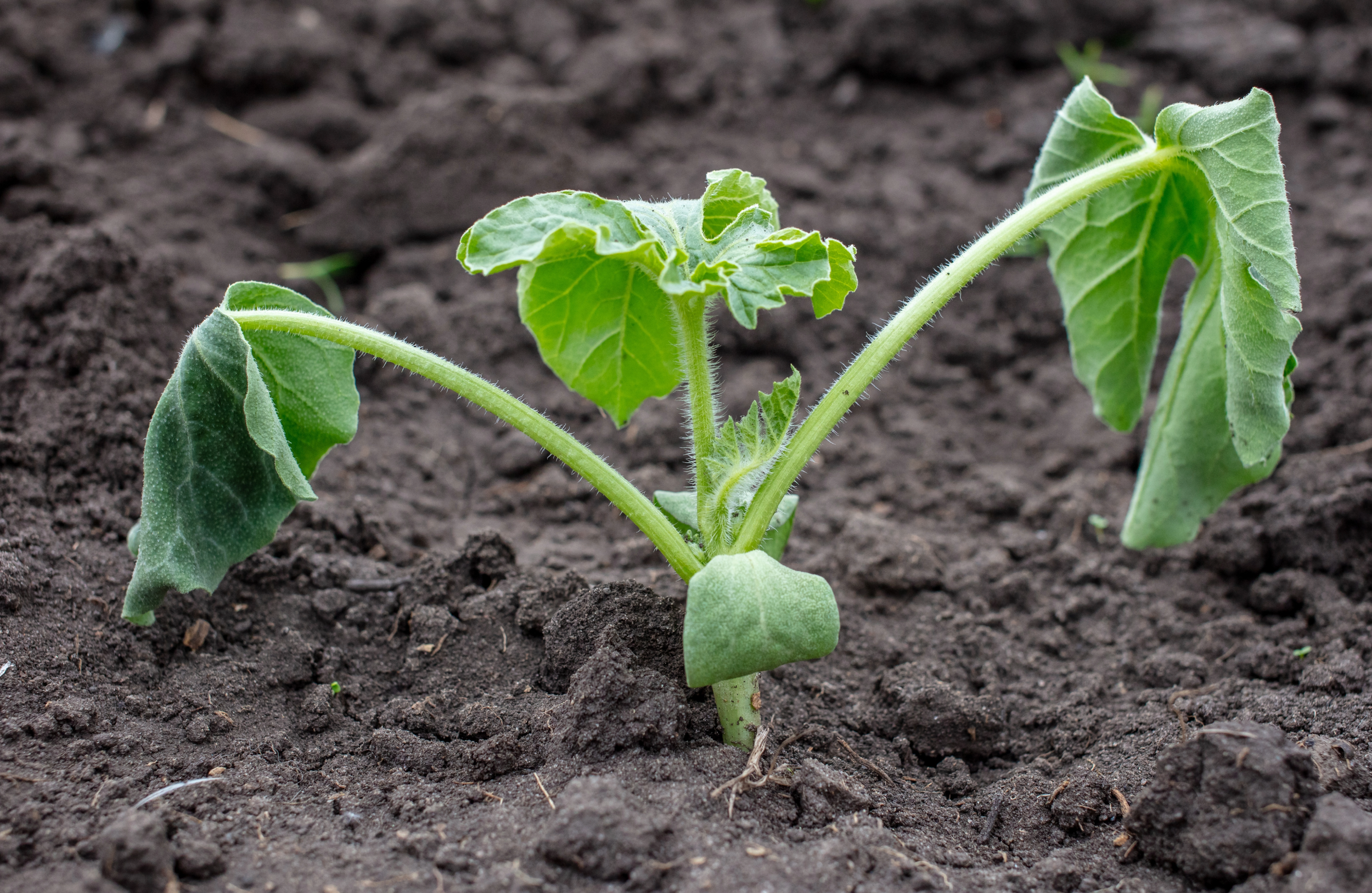
A wilting plant looks alarming, but it isn't always a crisis. Sometimes the leaves are simply drooping to save water on a hot afternoon and will be upright again by evening. Other times it's a warning that something is wrong at the roots. The quickest way to tell the difference is to look at the soil first, then the time of day, and only then start worrying.
Quick answer
Wilting happens when water escapes from the leaves quicker than the roots can draw more up. Nine times out of ten that's simply dry soil, and a good soak puts it right within hours. If the soil is wet and the plant is still wilting, the roots are the problem: waterlogging, root damage, root pests or disease. Wilting only in the middle of a hot day, with recovery by evening, is normal and needs no action beyond keeping the soil moist.
Start with two checks
Feel the soil. Poke down past the surface: dry underneath points to thirst, while cold, sodden soil points to the roots.
Note the time of day. Drooping at midday but fine by evening is a temporary heat response. Wilting that's still there first thing in the morning is a genuine problem.
Those two checks separate most cases straight away.
Dry soil
By far the most common cause. Leaves lose water constantly through their pores, and when the soil runs dry the roots can't keep up, so the plant droops to slow the loss. Vegetables are especially prone to it, being largely made up of water themselves.
Pots, growing bags, raised beds and light sandy soil dry out first, and water loss is much worse on windy days than still ones.
Fix it: water deeply and thoroughly rather than sprinkling, which encourages deeper rooting. Morning is the best time, so the plant has the water available through the day and less is lost to evaporation. Most plants perk up within a few hours. Afterwards, lay a mulch across any bare ground to slow the next drying out, and draw on the water butt where you can.
There's a crop-by-crop routine in how often to water a vegetable garden, and signs of underwatering lists the other symptoms to look for.
Midday heat
On a hot, bright day, many plants wilt even though the soil is perfectly moist. Big-leaved crops such as courgettes, squash, pumpkins, cucumbers and rhubarb do it most obviously. It's a deliberate move by the plant to cut water loss while the sun is at its strongest, not a sign of damage.
Fix it: nothing, as long as they recover by evening. Check the soil to make sure it really is moist, and provide some afternoon shade for plants in pots during a heatwave. Resist the urge to keep watering an already wet plant.
Waterlogged soil
Confusingly, a plant standing in sodden ground wilts exactly as though it were parched. Water fills the air spaces between soil particles, the roots are starved of oxygen and stop working, and a root that can't function can't take up water however much surrounds it.
Look for yellowing leaves alongside the wilting, and if you lift a plant, roots that are blue-black and soft, sometimes with a sour, rotten smell.
Fix it: hold off watering altogether until the top of the soil has dried. Stand pots on feet and empty any saucers. Keep off wet beds, as walking on them compacts the soil further. Badly rotted plants rarely recover, but ones caught early often do. Signs of overwatering covers the wider symptoms, and for ground that stays wet, how to fix waterlogged soil
Transplant shock
A newly planted seedling often wilts for a day or two while its roots make contact with the surrounding soil. It's worse if the plant went out into dry ground, was moved in the heat of the day, or wasn't hardened off first.
Fix it: soak it thoroughly and screen it from fierce sunshine until it settles. Plant in the evening or on an overcast day, and acclimatise indoor-raised plants gradually beforehand. Our hardening off guide explains the routine.
Damage at the roots
Moist soil, mild weather and a plant that stays limp all point below ground. Lift it carefully with a fork and inspect what's there.
Small white maggots in the roots of cabbages, cauliflowers, swedes or turnips: cabbage root fly. Protect future plantings with insect-proof mesh or stem collars.
Swollen, distorted roots on brassicas: clubroot, which nothing will cure. Take out the affected plants and give that ground the longest possible break from cabbages and their relatives.
Plump cream grubs curled in the compost of pot plants: vine weevil larvae. Remove every one you can see, and a nematode drench is worth considering.
Roots chewed or missing: slugs, leatherjackets or other soil pests.
Roots brown and mushy: rot, usually from waterlogging.
Damage above ground counts too. A stem gnawed through at soil level by slugs, snapped by wind, or nibbled by mice cuts off the water supply just as effectively.
Wilt diseases
Some fungal diseases block the vessels that carry water up the stem, so the plant wilts and never really recovers. Verticillium and fusarium wilts affect tomatoes and other crops, often making the lower leaves yellow and wilt first, sometimes only on one side of the plant. Cut a stem across and you may see brown staining inside.
Fix it: nothing will treat it. Bin the affected plants instead of composting them, move that crop to different ground next season, and seek out resistant varieties. Plants in pots of fresh compost avoid soil-borne wilts altogether.
Frost and cold damage
A tender plant caught by frost or a cold night often looks limp and blackened the next morning, particularly courgettes, beans, tomatoes and squash. Wind can scorch leaves in a similar way.
Fix it: cover vulnerable plants with fleece when frost is forecast and don't plant tender crops out too early. Lightly damaged plants sometimes push out new growth; badly hit ones are best replaced.
Will it recover?
Most wilting plants bounce back, and quickly. A plant that has simply run dry usually stands up again within a few hours of a thorough watering. Heat-related wilting rights itself overnight. Transplant shock passes in a few days.
Recovery is less likely where the roots have rotted in waterlogged soil, the plant has clubroot or a wilt disease, or a stem has been severed. If a plant is still limp two or three days after the cause was fixed, it's usually beyond saving.
For other symptoms, begin at why vegetables aren't growing; if a plant has simply stalled rather than drooped, why vegetable plants stop growing is the one you want. Just starting out? Begin with how to start a vegetable garden in the UK
Common questions
Why are my vegetable plants wilting?
Usually dry soil, which a deep watering fixes within hours. If the soil is wet, the cause is at the roots instead: waterlogging, root pests or disease.
Why do my plants wilt even though I water them?
Either they're wilting temporarily in midday heat, which is normal, or the roots have been damaged by waterlogging, pests or disease and can't take up water however wet the soil is.
Should I water a wilting plant?
Check the soil first. If it's dry, water thoroughly. If it's already wet, more water makes things worse.
Do wilted plants recover?
Usually yes, if the cause was dry soil, heat or transplant shock. Plants with rotted roots, clubroot or a wilt disease generally don't.
Drought and waterlogging guidance based on RHS advice.