Why Turnips Don’t Grow (and How to Fix It)
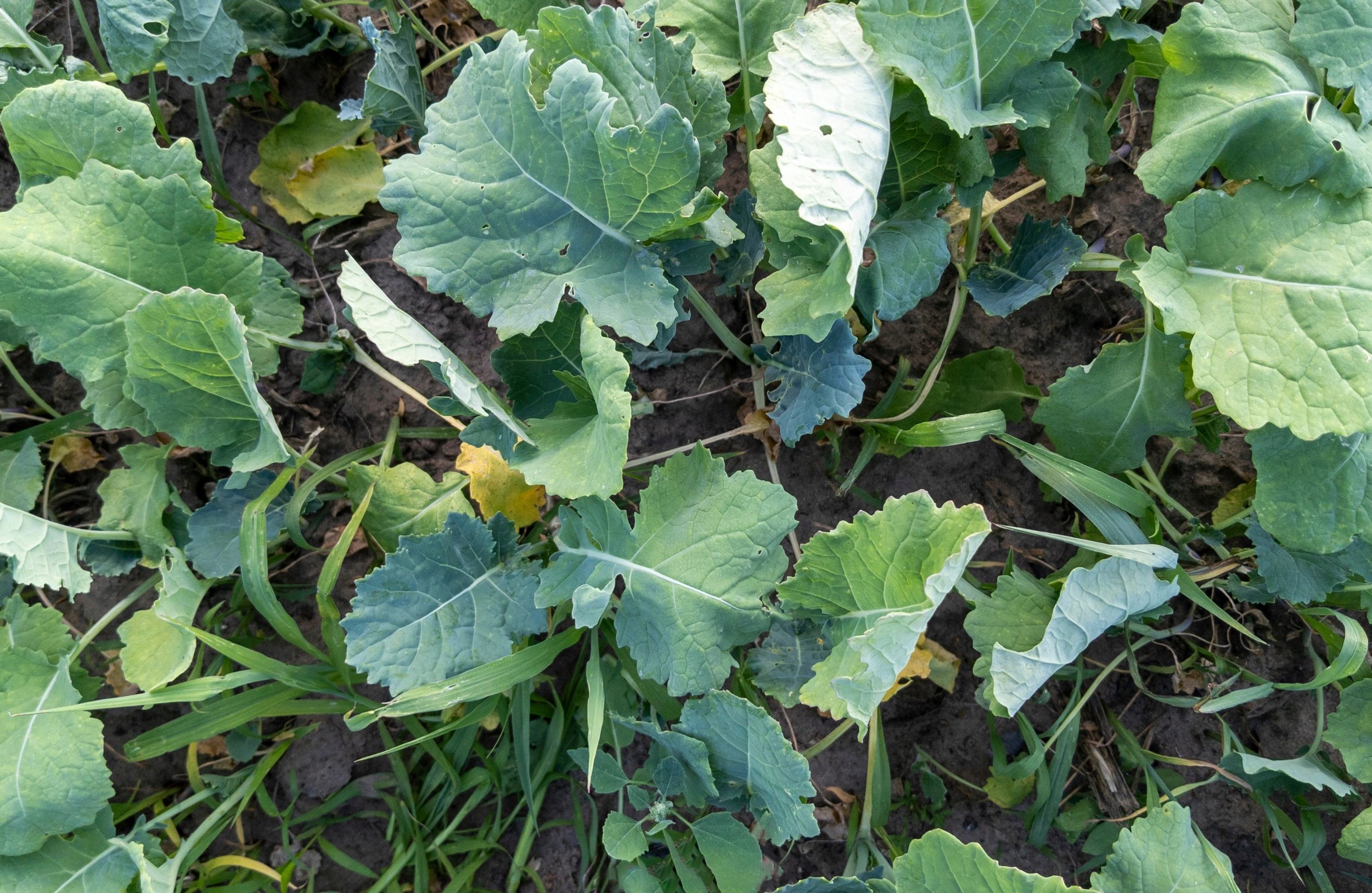
Turnips should be one of the quickest and easiest crops in the veg patch, with some ready in just a few weeks. So it's disappointing when the roots stay tiny, turn tough and woody, split open, or never form because the plants run to seed. Almost every turnip problem comes down to water, space, timing or pests, and each is easy to put right.
Quick answer
Turnips usually fail because the soil dried out, the seedlings weren't thinned, or they were growing in hot summer weather, which makes them bolt. Sow early varieties from March to June and maincrop types from July to mid-August, thin the seedlings, and keep the soil evenly moist. Cover young plants with fine mesh to keep flea beetles and cabbage root fly away.
What's the problem?
Roots are small: see "Too crowded" and "Dry soil".
Roots taste bitter or feel woody: see "Dry soil" and "Left too long".
Roots have split: see "Uneven watering".
Plants flowered before making a root: see "Bolting".
Lots of tiny holes in the leaves: see "Flea beetles".
Plants wilt and stop growing: see "Root problems".
Roots are misshapen: see "Heavy or stony soil".
Too crowded
Turnip seed is small and easy to sow too thickly. Crowded seedlings compete for water and nutrients, and the roots stay small.
Fix it: thin the seedlings once they're big enough to handle. According to the RHS, early varieties need around 15 cm between plants and maincrops about 23 cm. If you just want baby turnips or leafy tops, 10 cm is enough.
Dry soil
Turnips grow fast, and they need steady moisture to do it. In dry soil, the roots stay small and become tough, woody and sharp-tasting.
Fix it: in dry weather, give the rows a proper soak rather than a sprinkle, especially on light, sandy ground that drains fast. Mulching between rows helps hold the moisture in. Our watering routine is in how often to water turnips
Uneven watering
A turnip that has gone short of water swells quickly when it finally gets some, and the skin can't keep up, so it cracks.
Fix it: water regularly rather than letting the soil swing between bone dry and soaked. Keeping the soil evenly damp prevents most splitting.
Bolting
Turnips are a cool-season crop. In hot, dry weather, plants often skip making a root and go straight to flowering.
Fix it: avoid sowing in the hottest part of summer, and keep the soil moist in warm spells. Sow early varieties in spring, from March to June, and maincrop varieties from July to mid-August, so they grow through the cooler weather of autumn. Full sowing dates are in when to plant turnips in the UK
Left too long
Turnips are best picked young. Once they grow much bigger than a tennis ball, the flesh becomes coarse and bitter.
Fix it: harvest them small. Golf-ball-sized roots are sweet enough to grate raw, and anything up to tennis-ball size is good for roasting or mash. Sowing small batches every few weeks gives a steady supply of young roots rather than a glut.
Heavy or stony soil
In heavy clay, compacted or stony ground, roots can be misshapen or slow to swell.
Fix it: break up the ground thoroughly. If you can, dig in rotted manure or compost the previous autumn, so the soil is settled and crumbly by sowing time. Our guide to the best soil for vegetable gardening in the UK has more.
Flea beetles
If the leaves of young turnips are covered in tiny round holes, flea beetles are the likely cause. These tiny, shiny black beetles jump away when you brush the plants. A bad attack can stop seedlings growing, especially in dry weather.
Fix it: cover seedlings with fine insect-proof mesh straight after sowing, and keep them well watered, as flea beetles thrive in dry conditions.
Root problems
Turnips belong to the cabbage family and can suffer from the same root problems. If plants wilt and stop growing, pull one up and look at the root.
Maggots tunnelling through the root: cabbage root fly. Covering plants with fine mesh from sowing keeps the flies away.
Swollen, distorted roots: clubroot, a soil-borne disease that's worse in acidic, poorly drained soil. Lift and dispose of affected plants, don't grow the cabbage family in that bed for a long time, and consider adding lime if the soil is acidic.
Other pests
Pigeons, slugs, snails and cabbage caterpillars can all damage the leaves. The same fine mesh that keeps out flea beetles and root fly protects against most of them. See slugs eating vegetable plants
Turnips in containers
Turnips grow well in pots and troughs, which is handy on heavy soil. Scatter the seed thinly, thin the seedlings, and water regularly, as compost dries out quickly. More in growing turnips in containers
For sowing, thinning and harvesting in more detail, see how to grow turnips in the UK
Struggling with a different crop? Start at why vegetables aren't growing
Common questions
Why are my turnips so small?
Usually because the seedlings weren't thinned or the soil was too dry. Thin to 15 cm for early varieties and 23 cm for maincrops, and water in dry spells.
Why are my turnips woody?
Woody roots are caused by dry soil or by leaving turnips to grow too big. Water through dry spells and harvest before they're larger than a tennis ball.
Why did my turnips bolt?
Hot, dry weather makes turnips flower before forming a root. Sow in spring or late summer, avoiding the height of summer, and keep the soil moist.
What is eating holes in my turnip leaves?
Lots of tiny round holes are usually caused by flea beetles. Cover seedlings with fine insect-proof mesh and keep them well watered.
Sowing dates, thinning distances and harvest sizes based on RHS guidance.