How Often to Water Turnips
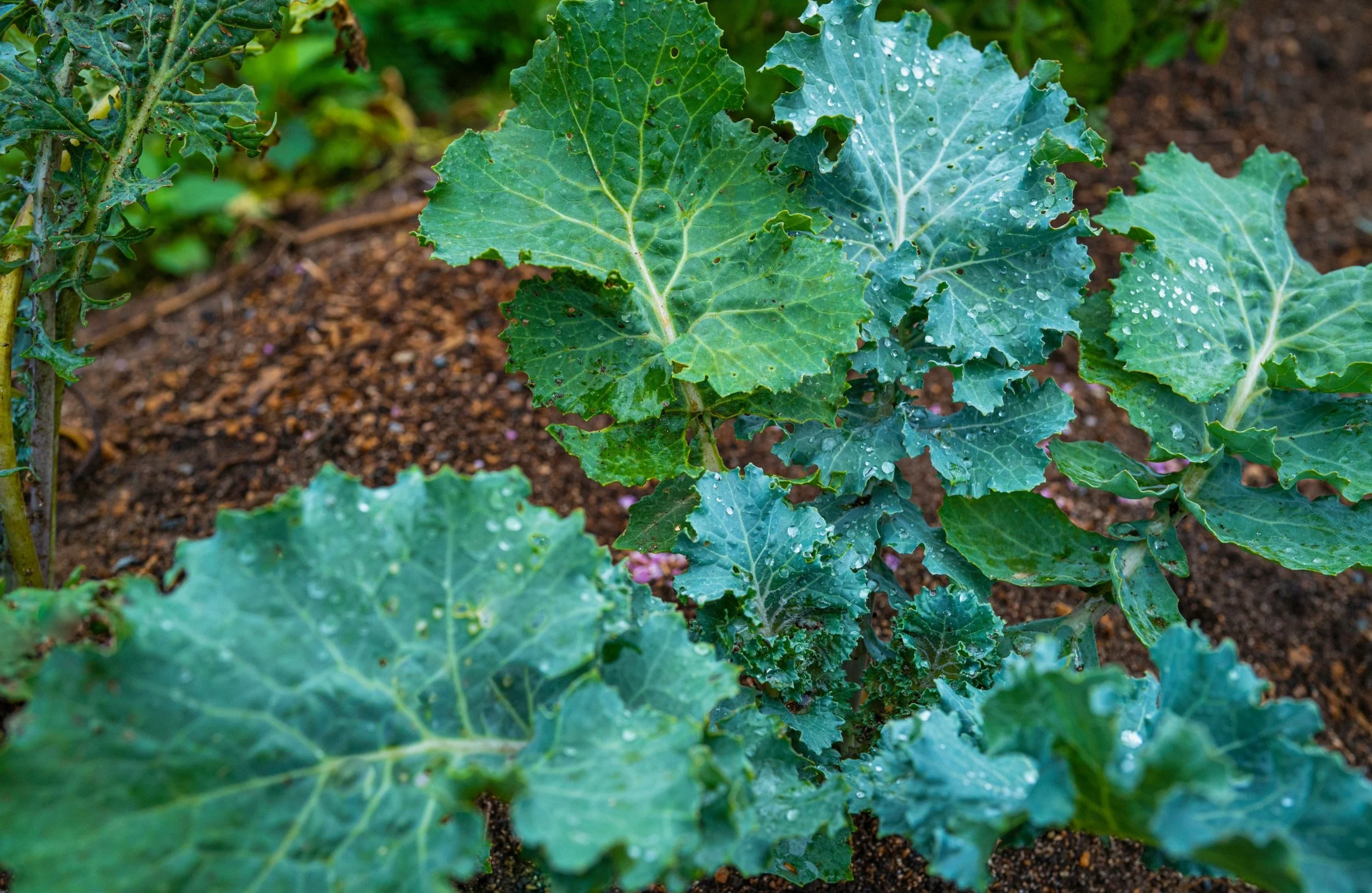
Turnips are quick, easy and generous, but they're fussier about water than their reputation suggests. They grow fast, and anything that interrupts that growth, especially a dry spell, shows up in the roots. Dry soil gives you small, tough, sharp-tasting turnips, and it can make the plants flower instead of swelling at all.
Turnips don't need to be kept wet, but they do need the soil to stay damp at root depth all the way from sowing to harvest. How much help they need from you comes down to the season they're growing in, your soil, and whether they're in a bed or a pot.
How often should you water turnips?
In dry weather, give turnips in the ground a thorough watering roughly once or twice a week, enough to moisten the soil well below the surface, and more often in a heatwave or on sandy soil. Turnips in containers need checking every day or two, as the compost dries out fast. In cool, wet spells, they may need little or no extra water.
Why dry soil causes so many turnip problems
Turnips are brassicas, part of the cabbage family, and dry soil causes them more than one problem:
Small, woody roots. Plants that go short of water produce small, tough roots that can split when the rain returns.
Bolting. Stress from drought can make them send up a flower stalk, which stops the root from swelling.
Pests and disease. Dry conditions encourage flea beetle, which peppers young leaves with tiny holes, and powdery mildew on the foliage.
Steady moisture tackles all of these at once.
Early turnips vs maincrop turnips
Early turnips, sown in spring and early summer, are the most demanding. They grow through the warmest, driest part of the year and need the most attention. Harvest them small, from golf-ball size for eating raw up to tennis-ball size for cooking.
Maincrop turnips, sown from mid-summer for autumn and winter, grow on into cooler, damper weather. Once autumn rains arrive, they usually need far less watering, but keep an eye on them during late-summer dry spells while they're young.
Watering turnips in garden beds
Turnips growing in garden soil mostly need watering when there's been little rain, and particularly while the roots are swelling.
Give the row a proper soak rather than a light sprinkle, which only wets the surface. Afterwards, the soil should still feel damp when you push a finger in to the first knuckle. Watering at the base of the plants in the morning or evening keeps the leaves drier and loses less to evaporation.
A layer of compost or grass clippings between the rows helps the soil hold moisture for longer.
Watering turnips in containers
In pots, turnips have only a little compost to draw on, and it dries out fast in warm or windy weather.
Look at pots every day or two, and whenever the compost is dry a little way down, water until it runs out of the bottom. Quick early varieties, pulled small, suit containers best.
For container advice, see growing turnips in containers
When turnips need more water
Pay extra attention to watering just after sowing, while the seedlings are getting going, through the weeks when the roots are bulking up, and whenever a warm, dry spell sets in.
Signs of watering problems
Small, hard or woody roots: too dry while growing, or left to get too big before harvesting.
Split roots: dry soil followed by heavy rain or a big watering.
Plants flowering early: dry, hot conditions or other stress.
Leaves full of tiny holes: flea beetle, which is worse in dry weather. Keeping the soil moist and covering young plants with fleece or fine mesh helps.
Roots rotting: soil that stays waterlogged.
For other causes, see why turnips don't grow
Avoiding overwatering
Turnips like moisture, but not soggy ground. In waterlogged soil, the roots can rot and grow poorly. On heavy clay, improve the drainage with plenty of organic matter before sowing, and use containers with drainage holes.
You can read more in how often to water a vegetable garden
Healthy turnip growth
The recipe for good turnips is simple: damp soil at root depth, thorough watering whenever it's dry, fleece or mesh over young plants, and pulling the roots while they're still young and tender.
For growing advice, see how to grow turnips in the UK
For timing, see when to plant turnips and when to harvest turnips
Common questions
How often should I water turnips?
In dry weather, water turnips in the ground thoroughly once or twice a week, enough to soak well below the surface. In pots, check every day or two. In cool, wet weather they may need little extra water.
Why are my turnips woody?
Two things usually cause it: a spell of dry soil while the roots were forming, or leaving them to grow on past their best. Keep the soil moist and pull turnips between golf-ball and tennis-ball size.
Why are my turnips splitting?
Cracked turnips are usually the result of a feast-or-famine pattern, where parched soil is followed by a downpour or a heavy soaking. Watering regularly through dry weather keeps growth steady and stops the roots cracking.
Why are my turnips flowering?
Dry, hot conditions are the most common cause. Stressed turnips bolt, sending up a flower stalk, and the root stops swelling. Keep them well watered, and sow early varieties in spring and maincrops from mid-summer.
Growing advice checked against RHS guidance.