Why Tomato Plants Aren’t Flowering (and How to Fix It)
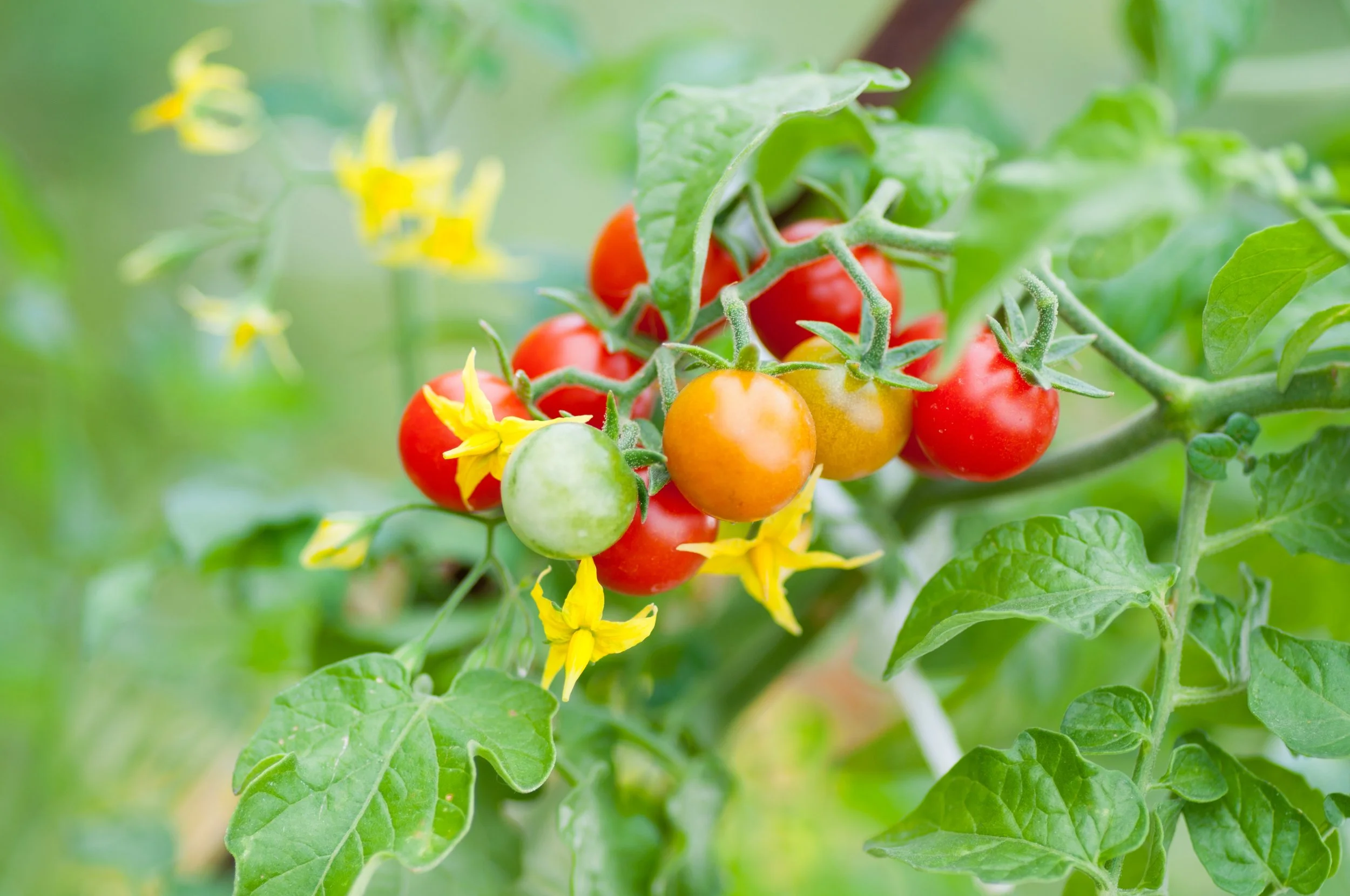
A tomato plant that's tall, green and leafy but has no flowers is a puzzle, especially when the neighbours' plants are already covered in yellow blooms. Tomatoes flower in clusters called trusses, and the fruit grows from those. So no flowers means no tomatoes, but the reason is almost always simple, and most plants start flowering once it's sorted.
Quick answer
Tomato plants usually fail to flower because they're too young, too cold or short of sun, or because they've had too much nitrogen, which makes them grow leaves instead of flowers. Give them the sunniest, warmest spot you have and keep watering steady. Stop any high-nitrogen feed and switch to a high-potash tomato feed. Most healthy plants begin flowering once the weather warms in early summer.
Check this first
Planted recently? It may simply be too young. See "The plant is still too young".
Lots of lush, dark leaves? Too much nitrogen is likely. See "Too much nitrogen".
Pale and stretched? It's short of light. See "Not enough sun".
Flowers appear, then drop off? That's a pollination or temperature problem. See "Flowers appear but fall off".
It's late summer or autumn? See "Late in the season".
The plant is still too young
Tomatoes don't flower straight away. A young plant first builds roots, stem and leaves, and the first truss of flowers usually appears after it has made several sets of leaves. Plants from a late sowing, or set back by cold after planting out, can take a few weeks longer.
Fix it: be patient. Keep plants warm, well lit and watered, and the first flower truss should appear. Sowing at the right time next year gives them a head start. See when to plant tomatoes in the UK
It's too cold
Tomatoes are warm-weather plants. Chilly nights slow them down, and in a cool British spring or early summer, flowering is often delayed, especially for plants grown outdoors. The RHS advises keeping them under cover until temperatures stay above 16°C.
Fix it: don't plant out too early. Grow tomatoes in a greenhouse, or against a sunny, sheltered wall outdoors. Cover outdoor plants with fleece on cold nights. Once the weather warms up, flowers often appear quickly.
Not enough sun
Tomatoes need plenty of direct sunlight to flower well. In shade, they grow tall and leggy, with long gaps between the leaves, and produce few or no trusses.
Fix it: move pots and grow bags into the brightest position you have, ideally facing south. Next year, plant tomatoes in the sunniest part of the garden or greenhouse.
Too much nitrogen
This is one of the most common causes. Nitrogen encourages leafy growth, so plants given a nitrogen-rich feed, lots of fresh manure or a general lawn or leaf feed put all their energy into leaves. The result is a big, lush, dark green plant with hardly any flowers.
Fix it: stop any high-nitrogen feeding and switch to a high-potash tomato feed, which encourages the plant to flower and fruit. Next year, prepare the soil with well-rotted compost rather than fresh manure. See how often to feed vegetable plants
Irregular watering
Plants that repeatedly dry out and then get soaked become stressed, and stressed plants flower and fruit poorly. Tomatoes in pots and grow bags are most at risk, as they can dry out in a day in summer.
Fix it: keep the compost or soil evenly moist. Check pots every day in warm weather, and water thoroughly when the surface feels dry. See how often to water tomato plants
Pot too small
A tomato plant squeezed into a small pot soon fills it with roots, runs short of water and food, and struggles to flower.
Fix it: move young plants into bigger pots as they grow, and give each mature plant a large container or a share of a grow bag. See growing tomatoes in containers
Pinching out the wrong shoots
Cordon tomatoes (tall plants grown on a single stem) need their side shoots removed. These are the shoots that grow in the angle between a leaf and the main stem. But it's easy to pinch off a developing flower truss by mistake.
Fix it: learn to tell them apart. A side shoot grows from the joint between a leaf and the stem and looks like a small new stem with leaves. A flower truss grows from the main stem itself, between leaves, and carries a cluster of small buds. Bush tomatoes don't need their side shoots removed at all.
Flowers appear but fall off
If your plant flowers but the flowers drop without forming tomatoes, the problem is pollination rather than flowering. Common causes are poor pollination, very hot conditions in a closed greenhouse, and dry air or dry compost.
Fix it: open greenhouse vents and doors on warm days so pollinating insects can get in and the heat can escape. The RHS suggests gently tapping or shaking open flowers to help release pollen, and misting them with water. Keep watering steady. See why flowers fall off vegetable plants
Late in the season
In late summer and early autumn, tomato plants naturally slow down, and any new flowers won't have time to become ripe fruit. For cordon types, the RHS suggests "stopping" the plant once it has around seven trusses in a greenhouse, or four outside. To do this, pinch out the top of the main stem, leaving a couple of leaves above the highest truss. This helps the plant put its energy into ripening the fruit it already has.
Fix it: from late summer, remove new flowers that appear near the top of the plant, and let the existing fruit ripen. See when to harvest tomatoes
When should tomatoes flower?
Tomatoes sown indoors in late winter or early spring usually start flowering in late spring in a heated greenhouse, or from early summer in a cold greenhouse or outdoors. Plants sown later, or grown in a cool summer, may not flower until midsummer. Once the first truss opens, more usually follow every week or two.
For more tomato help, see how to grow tomatoes in the UK, how to support tomato plants and why tomato leaves turn yellow
For other crops, see why vegetables aren't growing
Common questions
Why is my tomato plant growing but not flowering?
Usually it's too much nitrogen, not enough sun or cold weather, or the plant is simply still young. Stop any high-nitrogen feed, give it more sun and warmth, and use a high-potash tomato feed.
How long does it take for tomato plants to flower?
It varies with the variety, the sowing date and the weather. Most plants produce their first flower truss after several sets of leaves have formed, usually in late spring or early summer.
Does tomato feed help tomatoes flower?
Yes. Tomato feed is high in potash, which encourages flowers and fruit. Avoid high-nitrogen feeds, which encourage leaves instead.
Why are my tomato flowers falling off?
Usually because the flowers haven't been pollinated, often due to high temperatures in a closed greenhouse, dry air or irregular watering. Ventilate well, tap the flowers gently and keep watering steady.
Growing advice based on RHS guidance.