Why Courgette Flowers Fall Off (and What to Do)
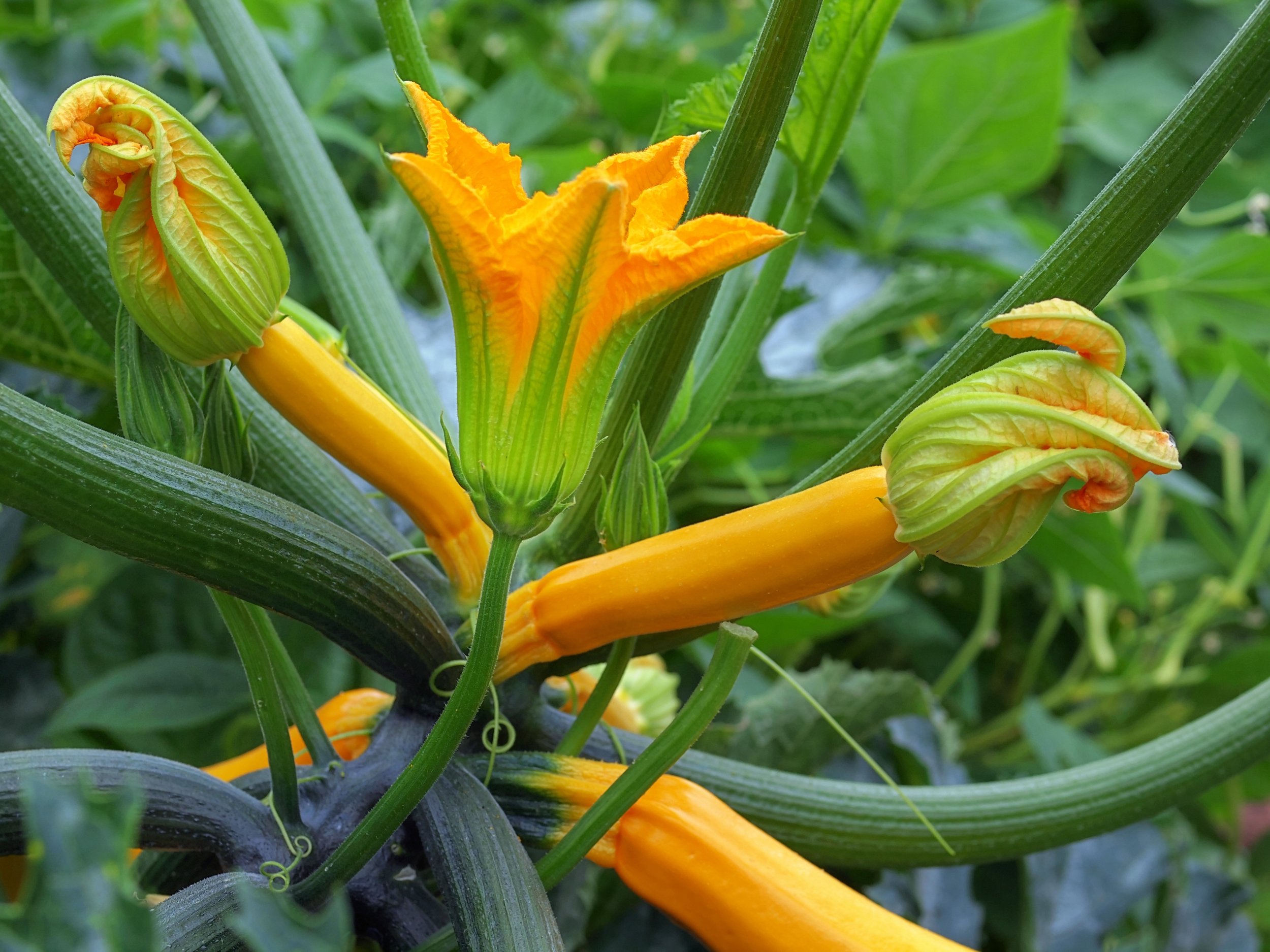
Few things are more frustrating than a courgette plant covered in cheerful yellow flowers that keep dropping off without giving you a single courgette. The good news is that it's usually temporary, and often completely normal. Most of the time the cause is one of a handful of simple things, and nearly all of them are easy to put right.
Quick answer
Courgette flowers falling off is most often just male flowers doing what they're meant to do: they open for a short time, release their pollen and drop. If the female flowers are falling too, or tiny courgettes are shrivelling, the usual cause is poor pollination, often because of cool, wet weather early in summer. Warmer weather normally sorts it out, and you can help things along by pollinating the flowers yourself.
Male or female? How to tell
Every courgette plant grows two kinds of flower, and knowing which is which explains most flower drop.
Male flowers sit on a long, thin stalk with nothing behind the petals. They carry the pollen, and they never turn into courgettes.
Female flowers have a tiny courgette already attached just behind the petals. That miniature fruit only grows into a proper courgette if the flower gets pollinated.
Look at the flowers that are dropping. If they're on thin stalks with no little courgette behind them, they're male, and there's nothing to worry about.
1. Male flowers dropping naturally
Male flowers only last a day or so. Once they've opened and offered their pollen to visiting bees, they wither and fall. A pile of spent male flowers under the plant is a sign that it's working properly, not that something has gone wrong.
2. No female flowers yet
Young courgette plants usually start with a flush of male flowers, and the female ones follow a week or two later. If your plant is new and every flower is male, give it a little time. It's busy building roots and leaves before it can support fruit.
3. Poor pollination
For a courgette to form, pollen has to get from a male flower into a female one, and that's normally a job for bees and other insects. When it doesn't happen, the female flower drops, or the baby courgette behind it starts to swell at the stalk end and then yellows, shrivels or rots from the tip.
Pollination tends to fail:
when it's cold, wet or windy and insects stay at home
early in the season, when there are few male flowers open at the same time as female ones
when plants are growing in a greenhouse or under cover, where insects struggle to get in
If you grow courgettes under glass, open the doors and vents on warm days so pollinators can find them.
How to hand-pollinate courgettes
If the weather is poor or you've spotted very few bees, you can pollinate the flowers yourself. It takes a couple of minutes.
Go out in the morning, when the flowers are fully open.
Pick a male flower and pull off its petals so the pollen-covered centre is exposed.
Gently dab it into the centre of an open female flower. A small, dry paintbrush works just as well.
A single male flower has enough pollen for several females, so work your way along the plant.
If it has worked, the little courgette behind the flower will start to fatten up within a few days.
4. Cold weather
Courgettes come from warm climates and dislike chilly nights. A cold spell, especially in early summer, slows everything down and can make flowers and young fruit drop. There isn't much you can do about the weather, but plants almost always pick up once it warms up. Covering young plants with fleece on cold nights early in the season helps.
5. Too little water or food
A plant that's thirsty or hungry will shed flowers and small fruit to protect itself. Courgettes are big, leafy plants and use a lot of water, especially in hot weather and in pots.
Water deeply at the base of the plant during dry spells rather than little and often.
Courgettes in pots need checking every day in summer, as the compost dries out fast.
For pots, start a high-potash liquid feed, such as tomato feed, every 10–14 days once the first courgettes start to swell. In open ground, courgettes usually manage without extra food, as long as the bed was well prepared with compost.
For more, see how often to water courgettes and growing courgettes in containers.
6. Not picking often enough
If courgettes are left on the plant to grow big, the plant decides it has enough fruit to look after and starts dropping new flowers and baby courgettes. Pick them small, at around 10–12 cm long, and check every couple of days in summer. The more you pick, the more the plant produces.
For more, see when to harvest courgettes.
What to do: quick checklist
Check which flowers are falling. Male ones are nothing to worry about.
Be patient early in the season, as female flowers usually follow within a week or two.
Hand-pollinate female flowers in the morning if the weather is poor or insects are scarce.
Open greenhouse doors and vents on warm days.
Water deeply in dry weather, and daily for pots in summer.
Feed plants in pots every 10–14 days once fruit starts forming.
Pick courgettes small and often.
When to expect courgettes
In the UK, courgettes usually start cropping in early to mid-summer, once the weather has settled and both kinds of flower are appearing together. From then on, a healthy plant can keep you in courgettes until the autumn, when it naturally slows down and produces fewer male flowers.
For full growing advice, see how to grow courgettes in the UK.
Common questions
Can I eat courgette flowers?
Yes, and they're delicious stuffed or fried in a light batter. Stick to male flowers, the ones on thin stalks with no courgette behind them, and your harvest won't suffer. Leave a few on the plant for pollinating the females.
Why are my small courgettes rotting at the end?
That's almost always poor pollination. The flower wasn't pollinated properly, so the plant abandons the fruit. It's most common in cool, damp weather early in summer. Hand-pollinating the next female flowers usually fixes it.
Do I need to hand-pollinate courgettes?
Most of the time, no. Bees and other insects do the job when the weather is warm. It's worth doing early in the season, in a wet or cold spell, or if your plants are under cover.
Why does my courgette plant only have male flowers?
This is normal for young plants, which usually produce male flowers first. Female flowers normally start to appear a week or two later as the plant becomes established.
Growing advice checked against RHS guidance.