Why Swiss Chard Doesn’t Grow (and How to Fix It)
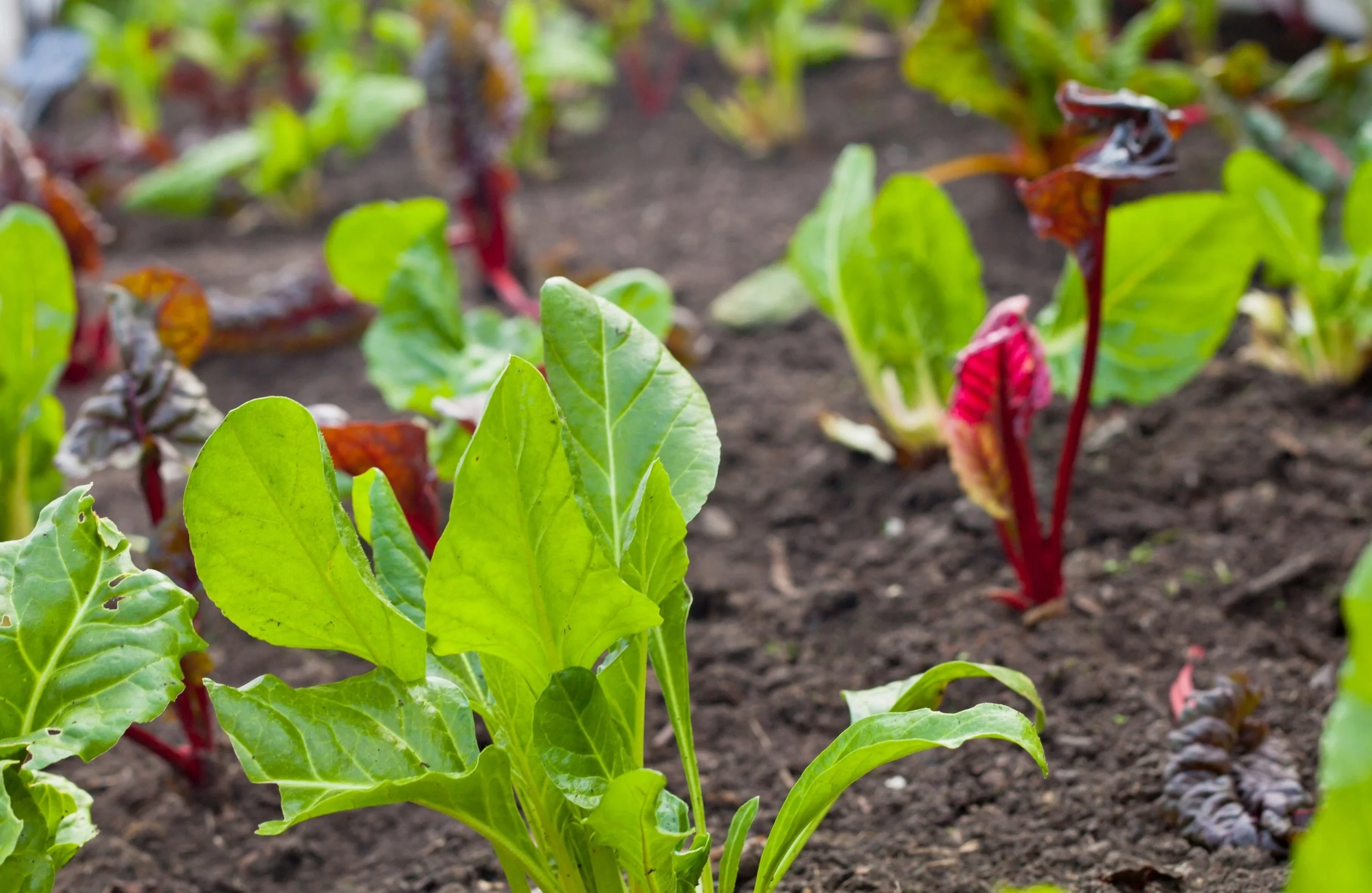
Few vegetables are as easy-going as Swiss chard. It copes with some shade, survives most winters and keeps producing colourful leaves for months. So if yours is slow, bolting or looking tatty, there's usually a simple reason, and a few changes will soon get it cropping again.
Quick answer
When chard struggles, the cause is normally one of four things: dry soil in its early weeks, overcrowding, sowing while the ground was still cold, or slugs and birds getting to the young leaves. Sow outdoors from April to July, thin plants to 30 cm apart for full-sized leaves, and water young plants until they're established. Pick the outer leaves regularly to keep new ones coming, and cut off any flower stems as soon as they appear.
What's the problem?
Seeds haven't come up: see "Cold soil".
Seedlings are small and crowded: see "Too crowded".
Plants are slow and leaves are small: see "Dry soil" and "Hungry soil".
A tall stalk has shot up from the middle: see "Bolting".
Young leaves have been eaten: see "Slugs, snails and birds".
Brown, papery patches on the leaves: see "Beet leaf miner".
Spots or grey fuzz on the leaves: see "Leaf spot and mildew".
Hardly any new growth from November to February: see "Cold weather".
Cold soil
Chard seed germinates poorly in cold, wet ground, and early outdoor sowings can sit for weeks without coming up.
Fix it: sow outdoors from April, once the soil has warmed. For an earlier start, sow indoors in modules in early spring and plant out later. Timings are in when to plant Swiss chard in the UK
Too crowded
Each chard "seed" is really a small cluster that can produce several seedlings. If they're not thinned, they fight for space and none of them fills out.
Fix it: thin the seedlings gradually. For full-sized plants, the RHS recommends leaving 30 cm between plants, in rows 45 cm apart. For baby salad leaves, you can leave them much closer, around 5 cm apart. The thinnings are tasty in salads.
Dry soil
Newly sown or transplanted chard relies on you for water until its roots go deeper. Established plants can survive a dry spell, but they produce far fewer leaves without moisture.
Fix it: water young plants regularly until they're growing strongly, then water in dry spells to keep the leaves coming. Pots dry out much faster, so check them every day or two in summer. There's a season-by-season guide in how often to water Swiss chard
Hungry soil
Chard grows best in rich soil that holds moisture. In thin, poor soil, leaves stay small.
Fix it: before sowing, dig plenty of garden compost into the bed, or spread it on top if you garden without digging. Chard in good soil or fresh compost doesn't usually need feeding. Our soil guide explains how to improve thin soil.
Not enough light
Chard tolerates light shade better than most vegetables, but in deep shade it grows slowly and becomes thin and leggy.
Fix it: grow it in a spot that gets sun for at least part of the day, and move pots to a brighter position if they're struggling.
Bolting
In hot, dry weather, or as plants age, chard sends up a tall flower stem. Once it starts flowering, it produces fewer leaves and they become tougher.
Fix it: snap or cut the stalk off low down as soon as it appears. The RHS notes the plant will then keep producing leaves for a while longer. Keep the soil moist in hot weather. Chard naturally flowers in its second year, so sow fresh plants each spring for the best leaves.
Not picking often enough
If older leaves are left on the plant, it slows down and produces fewer new ones.
Fix it: pick regularly. Work from the outside in, cutting the largest stalks close to the base and leaving the young leaves in the centre to keep growing. You can also cut the whole plant about 5 cm above the base, and it will regrow.
Slugs, snails and birds
Slugs, snails and birds can strip young chard seedlings, especially in damp weather.
Fix it: protect seedlings until they're established, and check for slugs on damp evenings. Covering young plants with netting keeps birds off. See slugs eating vegetable plants
Beet leaf miner
Chard is closely related to beetroot, and the same leaf miner can tunnel inside its leaves, leaving pale, papery blotches. The damage is mostly cosmetic.
Fix it: pick off and remove affected leaves, and the plant will keep producing fresh ones.
Leaf spot and mildew
In damp weather, chard can develop brown or purplish spots, or grey, fuzzy patches under the leaves.
Fix it: space plants widely so air can move between them, water the soil rather than the leaves, and remove affected leaves.
Cold weather
Chard is tough enough to survive a typical British winter, but it almost stops growing until spring.
Fix it: put a cloche over your plants in late autumn. Under cover, they'll often give a handful of leaves during milder winter weeks and start growing strongly again earlier in spring. For the best winter hardiness, choose a white-stemmed variety, as the colourful ones are slightly less tough.
Chard in containers
Chard grows well in pots, which you can move into a greenhouse for a few winter pickings. Water whenever the surface feels dry. Our chard in containers guide has more.
Varieties, sowing and picking are all covered in how to grow Swiss chard in the UK. If other plants in the garden are struggling too, why vegetables aren't growing is a good place to start.
Common questions
Why is my Swiss chard not growing?
Usually because the soil is dry, the plants are crowded, or slugs and birds are eating the young leaves. Thin to 30 cm apart, water young plants regularly and protect seedlings.
Why is my chard flowering?
Hot, dry weather or age can make chard bolt. Cut off the flower stems and it will keep producing leaves for a while. Plants naturally flower in their second year.
How do you keep chard producing leaves?
Pick the outer leaves regularly, leaving the centre to grow, and keep the soil moist in dry weather.
Does Swiss chard grow in winter?
It survives most UK winters but grows very slowly. With a cloche over the plants, you may get the odd picking in mild weather, and they'll start growing again sooner in spring.
Spacing, picking and problem advice based on RHS guidance.