How Often to Water Swiss Chard
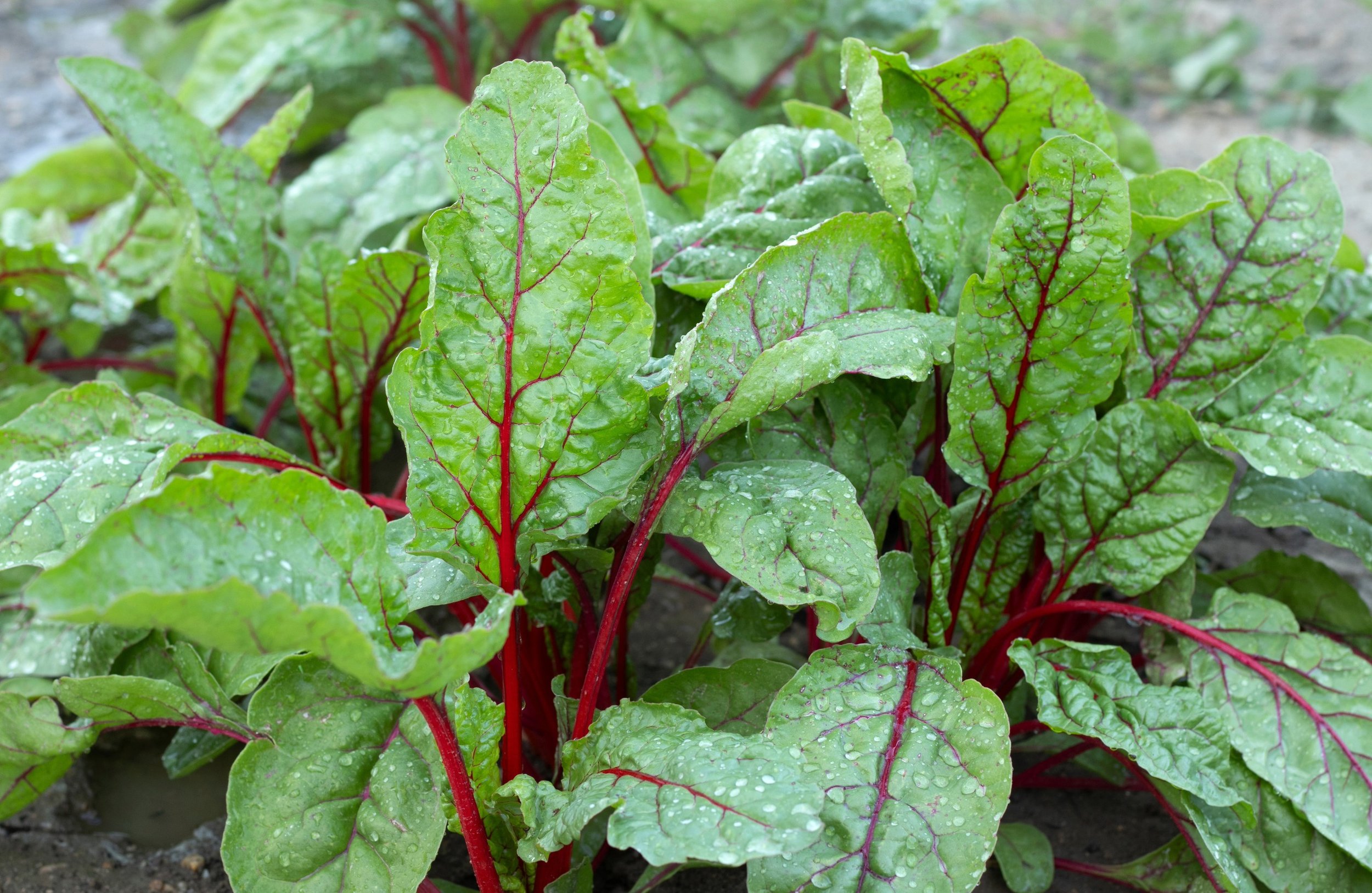
Swiss chard is one of the most generous crops you can grow. A single sowing can keep you picking colourful leaves from summer right through to the following spring. That long season is exactly why watering matters: every time you cut leaves, the plant has to grow new ones, and it can only do that well if the soil has moisture in it.
Unlike crops you harvest once, chard is a leafy crop that needs water at every stage of its life, from seedling to the last picking. How much you need to give depends on the season, the weather, and whether the plants are in a bed or a pot.
How often should you water Swiss chard?
Through the growing months, from spring into early autumn, give chard in the ground a generous drink whenever the top few centimetres of soil have dried. In a rainless spell, that tends to work out at one or two soakings each week. Pot-grown chard should be looked at every other day, and every day when it's hot. Over winter, when chard stops growing, it rarely needs watering at all.
Why chard needs steady watering
Leaf crops are made mostly of water. When chard goes short, it shows quickly. Growth slows, new leaves come through small and tough, older leaves wilt, and in hot, dry weather the plant may bolt and run to seed. Once chard bolts, it stops producing good leaves.
Because you're picking from the same plants for months, those bad spells add up. Steady moisture keeps the plants pushing out fresh, tender leaves to replace the ones you cut.
Watering Swiss chard through the seasons
Seedlings: keep the soil lightly moist until the young plants are growing strongly. Chard seedlings have shallow roots and dry out easily.
Summer: this is when chard needs the most water, particularly in warm, dry spells and after heavy picking. Soak the ground thoroughly, as chard's roots go down a fair way.
Autumn: growth slows as the weather cools and the rain returns, so you'll usually water much less.
Winter: chard is hardy and survives outdoors, but stops making new leaves once it's cold. Out in the bed, you can usually put the watering can away until new growth appears in spring.
Watering Swiss chard in garden beds
In garden soil, chard mainly needs watering during dry spells in the growing season.
Water slowly at the base of each plant until the ground is wet well below the surface. A quick splash from the hose only dampens the top and evaporates. Spread compost or leaf mould between the plants, leaving a small gap around each stem, to hold moisture in and keep weeds down.
Keep the bed weeded, too. Weeds compete for water, and dense weeds give slugs and snails somewhere to hide.
Watering Swiss chard in containers
Chard makes a striking container plant, but its big leaves lose a lot of water, and pots dry out quickly. Use a large container, ideally around 40 cm wide and at least 25 cm deep, and check the compost every couple of days, or daily in hot weather. Water until it drains from the base.
In winter, pots can be moved into a greenhouse or sheltered spot, where they may give you a few light pickings. Water them only enough to stop the compost drying out completely.
For container advice, see growing Swiss chard in containers
Signs of watering problems
Wilting leaves on a warm afternoon: short of water, especially if they haven't recovered by evening.
Small, tough new leaves: growth held back by dry soil.
Plants running to seed: hot, dry conditions. Varieties bred to resist bolting, such as 'Bright Yellow', and regular summer watering both help.
Yellowing leaves and rotting stems at the base: waterlogged soil.
Avoiding overwatering
Chard enjoys damp soil, but it won't thrive in a bog. In waterlogged soil, roots struggle and the base of the plant can rot. Improve heavy soil with organic matter before sowing, and let the surface dry slightly between waterings rather than keeping it saturated.
You can read more in how often to water a vegetable garden
Healthy Swiss chard growth
Swiss chard stays productive longest when it's watered deeply in dry weather, mulched, kept weed-free, and picked regularly. Take the outer leaves and leave the young ones in the centre to keep growing.
For growing advice, see how to grow Swiss chard in the UK
For picking tips, see when to harvest Swiss chard
Common questions
How often should I water Swiss chard?
In the growing season, water chard in the ground whenever the top few centimetres of soil have dried out, which in dry weather is usually once or twice a week. Pots need a look every other day or so. In winter, it rarely needs watering.
Why is my Swiss chard wilting?
Dry soil is the most common cause, especially in hot weather. Water deeply in dry spells, mulch to keep the soil moist, and check whether the leaves recover in the evening. If they stay limp, the plant needs a good soak.
Why is my chard going to seed?
Hot, dry weather can make chard bolt and produce a tall flower spike. Regular watering in summer and choosing a slow-to-bolt variety help prevent it. Once a plant bolts, it stops producing good leaves.
Does Swiss chard need watering in winter?
Rarely. Chard stops growing in cold weather, and winter rain usually keeps the soil moist enough. Water only plants in containers or under cover, and only if the compost dries right out.
Growing advice checked against RHS guidance.