Why Plants Bolt (Go to Seed) — and How to Prevent It
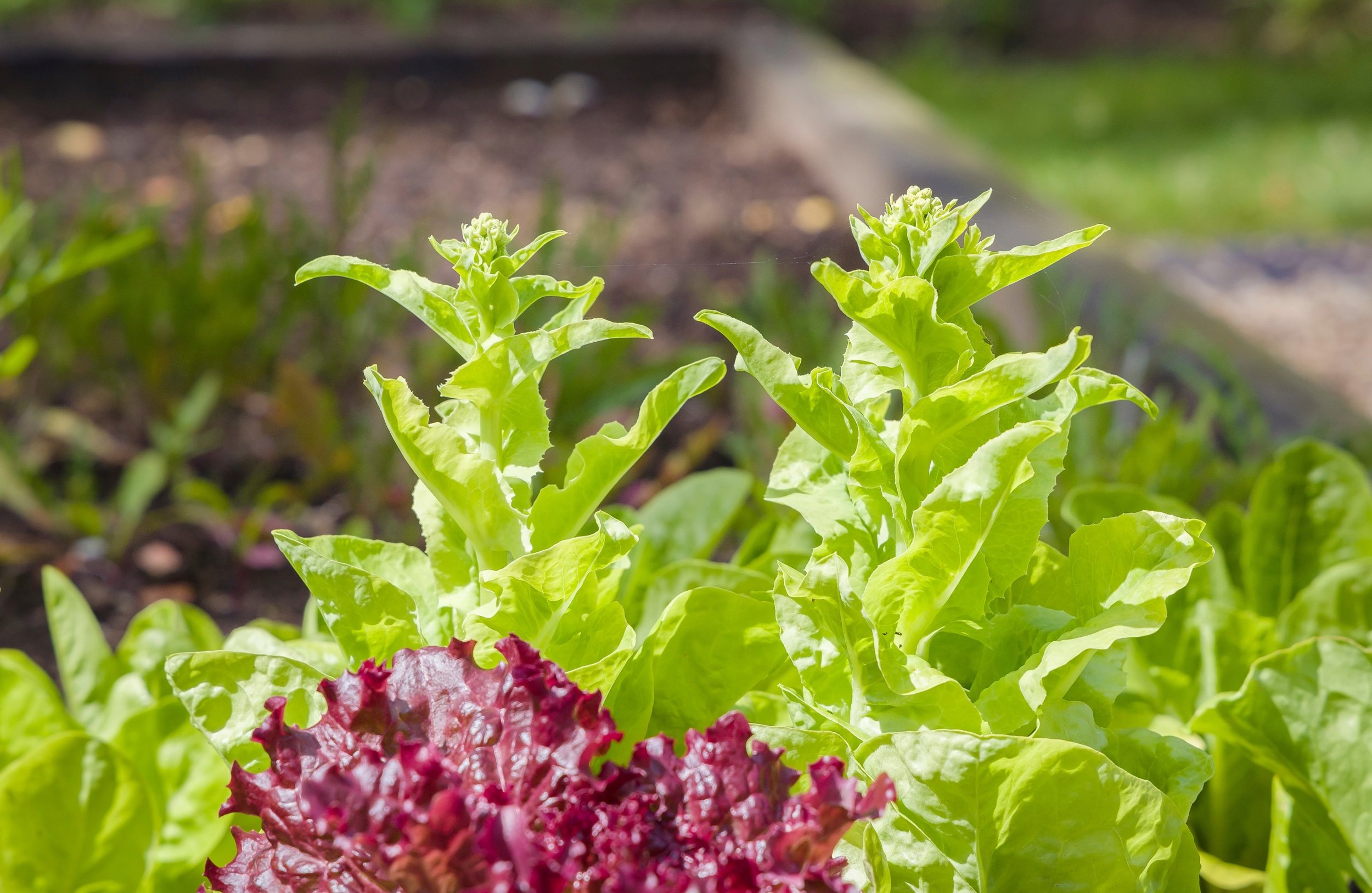
Bolting happens when vegetable plants start producing flowers and seeds earlier than expected. This often affects leafy vegetables and root crops, and it can reduce the quality of the harvest.
Bolting is usually caused by temperature changes, stress, or planting at the wrong time.
What bolting looks like
When plants bolt, you may notice:
tall flower stems forming quickly
leaves becoming tougher or bitter
plants stopping normal growth
Once bolting starts, plants usually focus on seed production instead of edible growth.
Warm weather
Sudden warm temperatures can cause some vegetables to bolt.
Leafy vegetables like lettuce and spinach are especially sensitive.
Planting at the right time often reduces this problem.
Temperature changes
Rapid changes between cold and warm weather can stress plants.
Stress sometimes triggers flowering.
Stable growing conditions usually help prevent bolting.
Dry soil
Plants under water stress may bolt earlier.
Keeping soil evenly moist usually helps.
For watering advice, see how often to water a vegetable garden.
Planting at the right time
Many vegetables grow best when planted in the correct season.
Following planting times often reduces bolting.
You can read more in when to plant vegetables in the UK.
Preventing bolting
You can often reduce bolting by:
planting at the right time
watering regularly
harvesting leaves early
choosing bolt-resistant varieties
Most plants grow more steadily in mild conditions.