Compost Mistakes Beginners Make (and How to Avoid Them)
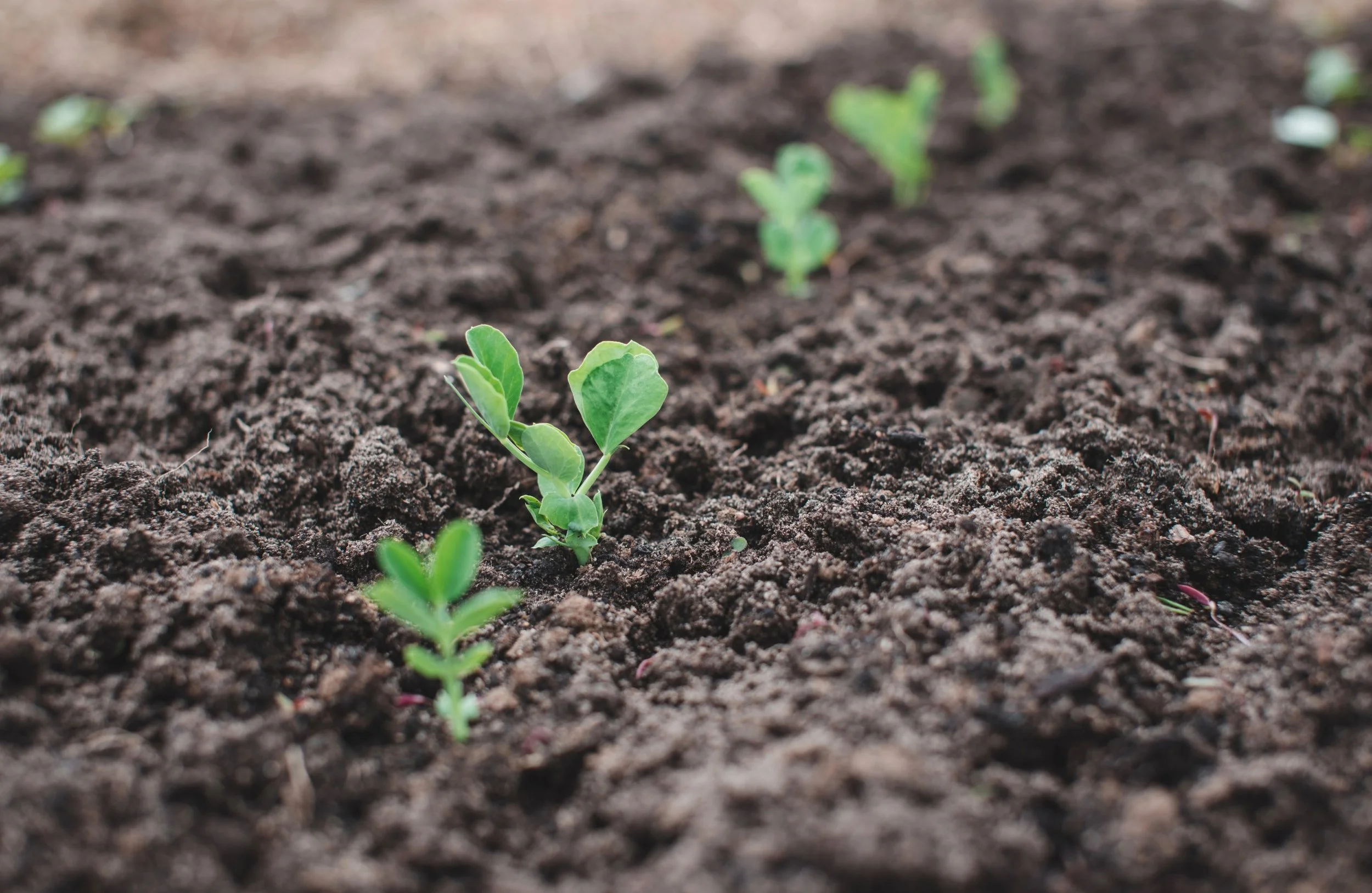
Compost helps vegetables grow well, but beginner gardeners sometimes make small mistakes that affect plant growth. Using compost correctly usually leads to healthier plants and better harvests.
Most compost problems are easy to fix.
Using poor-quality compost
Vegetables grow best in fresh, good-quality compost.
Old or low-quality compost may not hold moisture well or provide enough nutrients.
Using reliable compost usually improves plant growth.
You can read more in best soil for vegetable gardening in the UK.
Overwatering compost
Compost that stays too wet can affect roots and slow growth.
Containers without drainage holes often cause this problem.
Allowing compost to dry slightly between watering usually helps.
For watering advice, see how often to water a vegetable garden.
Letting compost dry out completely
Compost that becomes very dry can be difficult to re-wet.
Plants growing in dry compost may struggle.
Regular watering usually prevents this problem.
Reusing compost too many times
Compost loses nutrients after repeated use.
Adding fresh compost each season usually improves results.
Mixing old compost with new compost can also help.
Using the wrong compost for containers
Container vegetables usually grow best in compost that:
holds moisture
drains well
supports steady growth
You can read more in growing vegetables in containers in the UK.
Healthy compost supports healthy plants
Vegetables usually grow well when compost is:
fresh
evenly moist
well-drained
rich in organic matter
Small compost improvements often make a big difference.
For beginner guidance, see how to start a vegetable garden.