Why Parsnips Don’t Grow (and How to Fix It)
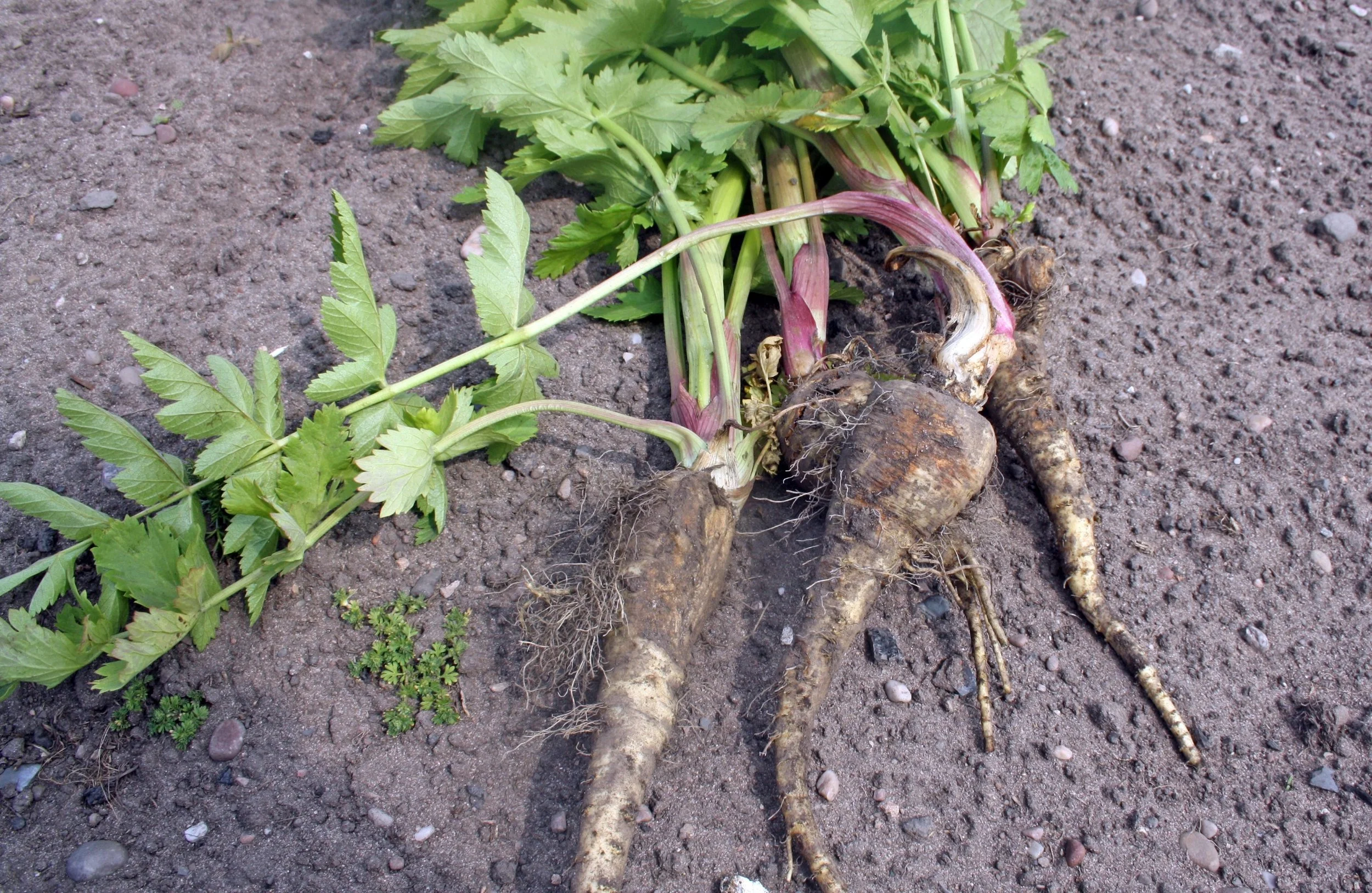
Parsnips test a gardener's patience. The seeds are slow and unreliable to germinate, the plants take most of the year to grow, and you often don't find out what's gone wrong until you dig them up in autumn. But once you know what parsnips need, they're one of the easiest winter crops to grow.
Quick answer
The most common reasons parsnips don't grow are old seed, sowing into cold soil, and stony, compacted or freshly manured ground. Buy fresh seed every year, wait until the soil has warmed a little in spring, and sow into deep, loose, stone-free soil that hasn't just been manured. Be patient, as the first shoots can be three or four weeks in coming.
What's the problem?
Nothing came up: see "Old seed" and "Cold soil".
Only a few seedlings came up: see "Old seed" and "Patience".
Roots are small or thin: see "Sown too late", "Crowded seedlings" and "Dry soil".
Roots are forked or twisted: see "Stony or compacted soil" and "Fresh manure".
Roots have split: see "Uneven watering".
Brown or orange patches on the shoulders: see "Parsnip canker".
Tunnels in the roots: see "Carrot fly".
Old seed
This is the number one cause of poor parsnips. Parsnip seed doesn't keep, and even a packet from last year can give very patchy results. The RHS recommends buying fresh seed every season.
Fix it: buy new seed each spring and use it all. Store it somewhere cool and dry until you sow.
Cold soil
Parsnip seed germinates slowly and poorly in cold, wet ground. Sowing too early, in February or a cold early March, often ends in failure.
Fix it: wait until the soil begins to warm, around mid-spring. According to the RHS, spring sowings from March to early May usually do better than the earliest ones. Covering the soil with cloches or fleece for a week or two beforehand helps warm it up. See when to plant parsnips in the UK
Patience
Parsnips are one of the slowest seeds to germinate. Seedlings can take between two and four weeks to appear, especially in cool weather. Many gardeners give up and dig the row over before anything has had the chance to come up.
Fix it: mark the row clearly and keep the soil moist. A good trick is to sow a few radish seeds along the same drill. The radishes pop up in a few days, mark out the line of the row for weeding, and are pulled and eaten while the parsnips are still tiny.
Stony or compacted soil
Parsnips send a long taproot (the main root) straight down. When it hits a stone or a hard, compacted layer, it splits, bends or stops growing, leaving you with short, twisted or forked roots.
Fix it: before sowing, dig the bed deeply and pick out any stones you turn up. On heavy or stony ground, grow shorter varieties. Or make a hole with a crowbar or dibber at each sowing spot, fill it with fine compost and sieved soil, and sow on top. See why soil becomes compacted
Fresh manure
Adding fresh manure, or lots of compost, just before sowing encourages the roots to fork and split.
Fix it: sow parsnips where last year's crop was given manure or compost, so the soil is rich but settled, rather than adding anything fresh this spring. Our soil guide explains how to plan this.
Sown too late
Parsnips need a long season. Seeds sown late in spring or in summer may only produce small, thin roots by autumn.
Fix it: sow by early May for full-sized roots.
Crowded seedlings
If seedlings aren't thinned, they compete for space and water, and all the roots stay small.
Fix it: the RHS suggests sowing three seeds together every 15 cm, in rows 30 cm apart. Once they're up, thin each group to the strongest seedling. This also makes the most of seed that germinates patchily.
Dry soil
Parsnips grow slowly through summer, and long dry spells can hold them back, leaving smaller roots.
Fix it: water in long dry spells, especially while the plants are young, giving a good soak rather than a sprinkle. See how often to water parsnips
Uneven watering
Roots that go through a dry spell and then get a sudden soaking, from heavy rain or a big watering, can crack and split.
Fix it: keep the soil evenly moist through dry weather rather than letting it dry out completely.
Weeds
Young parsnips grow slowly and are easily smothered by faster-growing weeds.
Fix it: weed by hand around the plants, especially while they're small. A hoe can easily damage the roots.
Parsnip canker
Rough orange, brown or black patches on the shoulders of the roots are a sign of canker, a common disease that's worse in wet, heavy soil and in roots damaged by pests.
Fix it: grow canker-resistant varieties such as 'Albion' or 'Picador'. Improve the drainage, and sow a little later so the roots are smaller and less likely to be damaged. Cut away affected parts before cooking.
Carrot fly
Parsnips belong to the same family as carrots, so carrot fly can find them too. Its maggots burrow through the roots, leaving brown tunnels.
Fix it: cover the crop with fine insect-proof mesh from sowing.
Parsnips in containers
On heavy or stony soil, a deep container full of loose compost gives the roots a clear path down. Choose a pot at least as deep as the roots will grow and use a shorter variety. See growing parsnips in containers
Everything else, from sowing to storing, is in how to grow parsnips in the UK. When your roots are ready, see when to harvest parsnips. For a related problem, see why carrots grow forked
Common questions
Why won't my parsnip seeds germinate?
Usually because the seed is old or the soil is too cold. Use fresh seed every year, sow from March to early May once the soil has warmed, and keep the soil moist. Expect to wait three or four weeks for the first shoots.
How long do parsnips take to germinate?
Between two and four weeks, and longer in cold soil. Sowing a few radish seeds in the same row shows you where the parsnips are while you wait.
Why are my parsnips forked?
Forking happens when the root hits stones or compacted soil, or when the ground has been freshly manured. Sow into deep, loose, stone-free soil that was manured for a previous crop.
Why are my parsnips so small?
Usually because they were sown too late, weren't thinned, or went short of water in summer. Sow by early May, thin to one plant every 15 cm and water in long dry spells.
Sowing times, spacing and problems based on RHS guidance.