How to Grow Parsnips in the UK
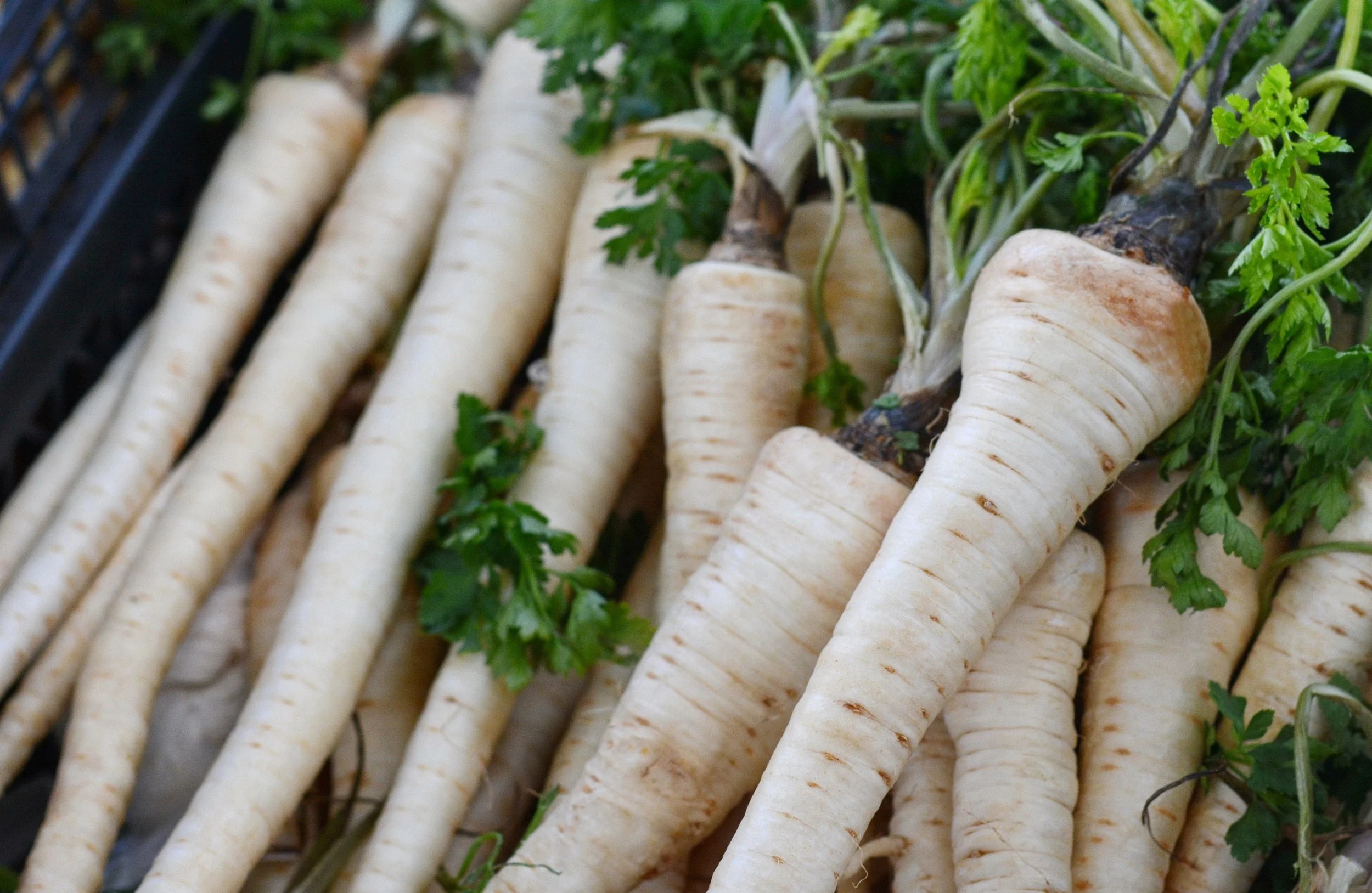
How to Grow Parsnips in the UK
Quick facts
Sow: March to early May, outdoors where they'll grow, once the soil reaches about 12°C
Seed: a fresh packet every spring
Spacing: one plant every 15 cm, rows 30 cm apart
Wait for seedlings: 14 to 30 days
Harvest: autumn through winter, sweetest after a hard frost
Key moment: sowing day. Warm soil, new seed and a stone-free bed
A parsnip spends almost a whole year in your garden, but you'll only be busy with it for a few weeks in spring. Get those weeks right and the rest is mostly waiting. Get them wrong and nothing comes up at all, which is why parsnips have a name for being difficult.
The three rules for parsnips
Nearly every parsnip failure traces back to one of these:
Warm soil. Cold, wet ground makes the seed rot before it sprouts.
New seed. Parsnip seed goes off within a year, so last spring's leftovers are a gamble.
A clear path down. The root grows as one long spike. Stones, hard ground or fresh manure send it sideways.
The rest of this guide is about getting those three right.
A parsnip year at a glance
February–March: tidy the bed, pick out stones, cover with cloches
March to early May: sow straight into the bed
April–June: seedlings slowly appear; thin them out
June–August: hand-weed and water in droughts
Autumn: foliage yellows; roots are ready
November–March: dig as you need them
For regional timing, see when to plant parsnips in the UK
Picking a variety
Flavour barely changes from one parsnip to the next, so choose by your soil and by disease resistance. On deep, easy ground, any long type will do. On clay, stones or a shallow bed, a short, stubby variety is less likely to fork.
Canker is the problem you're most likely to meet, so resistance is worth having. 'Albion', 'Gladiator' and 'Picador' all carry it, and all three hold the RHS Award of Garden Merit. If you want roots to stay in the soil until the end of winter, 'Pearl' (also AGM) is a good pick.
Getting the bed ready
Choose your sunniest, deepest patch of ground. Before sowing:
Pick out stones from the top spade's depth.
Break up hard ground. Compacted soil or heavy clay stops the root pushing down, see why soil becomes compacted
Leave out the manure. Anything freshly dug in makes the roots split into several legs. A bed that was fed the previous year is perfect.
Move the crop around. Skip any bed that grew parsnips or carrots in the last couple of years, since carrot fly larvae can linger there.
For more on soil, see best soil for vegetable gardening in the UK
Sowing day
Hold off until March at the earliest, and April or early May if your spring is cold. You're waiting for the soil to reach around 12°C. February dates on seed packets only really work in the mildest corners of the country. Putting cloches over the bed a fortnight ahead helps it dry out and warm up.
Parsnips are always sown where they'll grow. Their single root doesn't recover from being moved, so trays and modules are out.
Draw a groove about 1 cm deep. If the ground is dry, run water along it first.
Drop in three seeds every 15 cm, or trickle them thinly along the whole groove. Plenty won't come up, so be generous.
Rake the soil back over and water if the forecast is dry.
Start the next row 30 cm away.
The waiting game
This is where most people give up too soon. Parsnip seedlings take anywhere from 14 to 30 days to break the surface, and a cold snap can stretch that. A layer of fleece over the row helps.
To stop yourself forgetting where the row is, mix a pinch of radish seed in with the parsnips. The radishes are up within a week, show you the line of the row, and are pulled and eaten long before the parsnips need the space, see how to grow radishes
When the seedlings are big enough to grip, pull out the spares so one strong plant is left every 15 cm. Still nothing after a month? See why parsnips don't grow
Summer care
Watering: young plants need help in dry weather. Grown plants reach deep for water and rarely need it, but a flood after weeks of drought can crack the roots open, so aim for steady moisture. More in how often to water parsnips
Weeding: pull weeds by hand. A hoe blade easily scrapes the top of the root, and that wound is where canker starts. Go carefully around the foliage too, because crushed parsnip leaves give off a scent that carrot fly can find. By midsummer the leaves grow thick enough to smother most weeds themselves.
Carrot fly: the surest defence is a fine mesh cover over the row from sowing day. If you also grow carrots, give each crop its own bed, see how to grow carrots
Parsnips in pots
A deep container filled with compost gives you a bed with no stones at all. Pick a short variety and a pot deep enough for the whole root. More in growing parsnips in containers
Lifting parsnips
Once the foliage turns yellow in autumn, the roots are ready, though they taste sweeter if you wait for a hard frost. Mark the row with a cane at each end before the leaves vanish, then dig with a fork. More in when to harvest parsnips
When things go wrong
Nothing came up: cold soil or tired seed. Resow in April with a new packet.
Roots with several legs: a stone, a hard layer or recent manure blocked the way down.
Cracked roots: heavy rain or a soaking after a dry spell.
Rusty patches near the top: canker, usually starting at a scrape. Choose a resistant variety next year.
Brown tunnels in the root: carrot fly. Use mesh from the start.
Common questions
Are parsnips hard to grow?
Only at the start. Most failures come from sowing into cold ground or using old seed. Once the seedlings are through, parsnips are one of the easiest crops on the plot.
How long do parsnips take to grow?
Close to a full year. Seed sown between March and May gives roots ready to dig from autumn, and they'll keep in the soil until the end of winter.
Can you start parsnips indoors?
It's best not to. A parsnip grows one long main root, and moving the seedling damages it. Sow straight into the bed where the crop will grow.
Can you grow parsnips next to carrots?
Keep them apart. Carrot fly attacks both, so a bed of each side by side makes an easy target.
Timings, spacing, varieties, pests and diseases based on RHS guidance.