Why Garlic Doesn’t Grow (and How to Fix It)
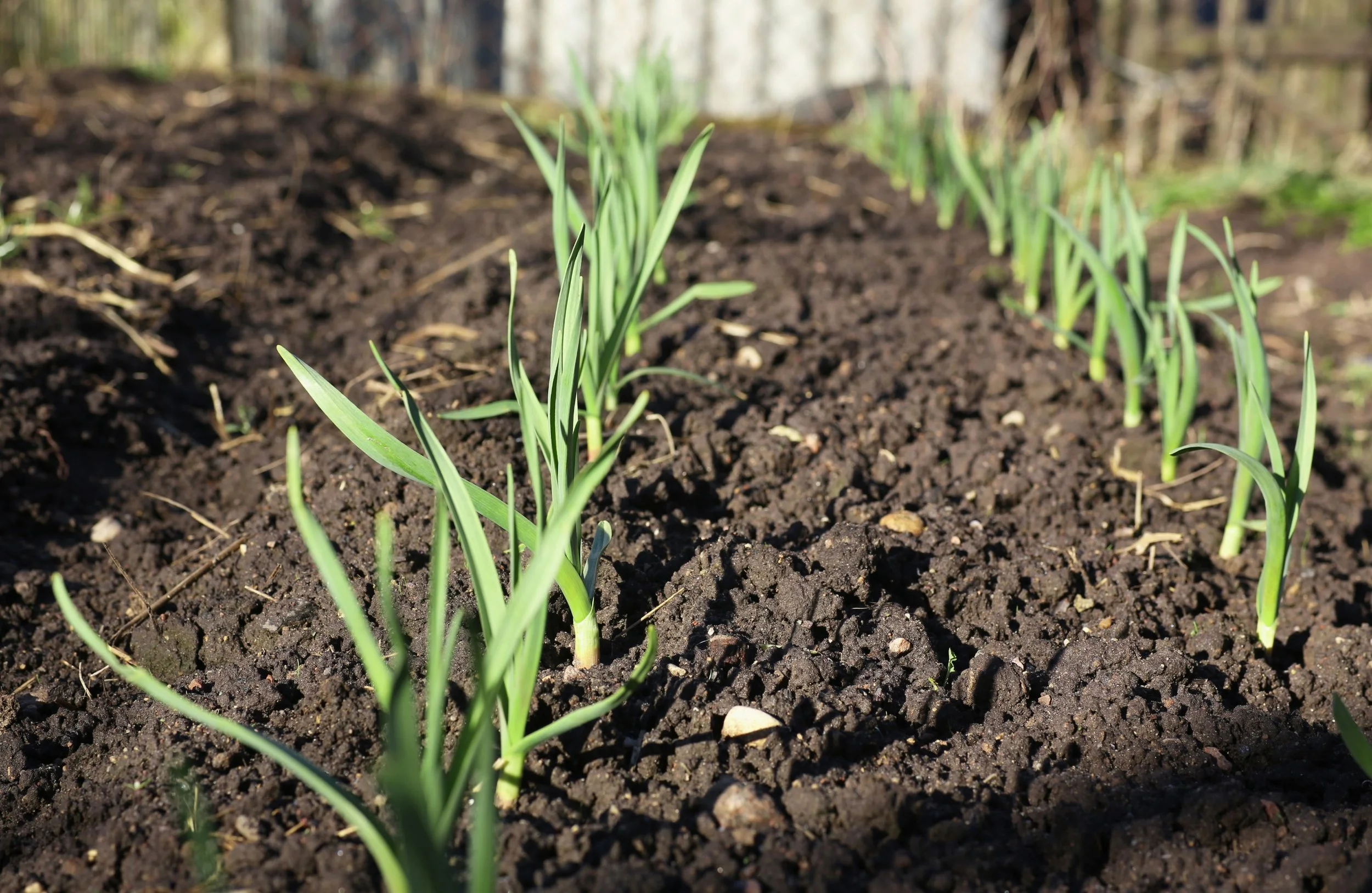
Garlic is supposed to be foolproof, so it's disappointing to lift your plants in summer and find tiny bulbs, single round cloves, or bulbs that have rotted in the ground. The cause is almost always one of a handful of problems, and most of them come down to timing, soil or cold.
Because garlic spends so long in the ground, a problem at planting often doesn't show until harvest. Working out what went wrong this year is the best way to get a good crop next year.
Quick answer
The most common reasons garlic doesn't grow well are too little winter cold (which gives single round bulbs), planting in wet, heavy soil (which makes cloves rot), dry soil in spring while the bulbs are swelling, poor planting stock, and harvesting at the wrong time. Pests and diseases such as rust, white rot and allium leaf miner can also stunt plants.
Quick diagnosis: what went wrong?
One round bulb with no separate cloves: not enough winter cold.
Cloves rotted in the ground over winter: soil too wet.
Plants small and bulbs undersized: dry spring, poor soil, shade or crowding.
Bulbs split open or cloves separating: harvested too late.
Green cloves at harvest: planted too shallow.
Orange spots on the leaves: rust.
Leaves yellowing and wilting, with white fluff on the base of the bulb: white rot.
Twisted leaves and tiny brown pupae in the bulbs: allium leaf miner.
1. Not enough winter cold
Garlic needs a spell of cold, usually one to two months below about 10°C, to trigger the bulb to divide into cloves. Without it, you often get a single round bulb, like a small onion. This happens most with garlic planted too late in spring, or after a mild winter.
Plant in autumn where you can, and if you're planting in spring, buy a variety sold as suitable for spring planting.
For timing, see when to plant garlic in the UK
2. Wet, heavy soil
Garlic hates sitting in cold, soggy ground over winter. Waterlogged soil can make the cloves rot before they've had a chance to grow, and plants that do survive are often weak.
On heavy clay, dig in plenty of compost or well-rotted manure before planting, or start cloves in module trays or pots in a cold frame over winter and plant them out in spring.
You can read more in best soil for vegetable gardening in the UK
3. Planted too shallow or too deep
Planting depth matters more than you might think. Cloves planted too shallow can be pushed up by frost or pulled out by birds, and often produce green-tinged cloves that don't store well. The pointed end should be just hidden, with roughly a thumb's width of soil over it, and no deeper than that on heavy ground.
A net or a sheet of fleece over newly planted cloves stops birds lifting them before they've rooted.
4. Dry soil in spring
Garlic puts on most of its size in late spring and early summer. If the soil dries out then, the bulbs stay small, however healthy the plants looked earlier.
Keep the soil damp through any dry weeks from April to June, and ease off as the foliage begins to fade.
For watering advice, see how often to water garlic
5. Poor planting stock
Cloves from a shop-bought bulb are a gamble. The variety may be suited to a hotter country, and the bulb may carry disease. Planting stock from a garden centre or seed company is bred for our climate and checked for health.
6. Shade, weeds or crowding
Garlic needs full sun to form good bulbs. In shade, or crowded by weeds or other plants, it grows thin and weak. Space cloves generously, pull weeds by hand as they appear, and grow garlic in full sun.
7. Harvesting at the wrong time
Bulbs lifted too early are small and don't keep. Left too late, after the leaves have fully died back, they split open and store poorly. The sweet spot is when some of the foliage has browned but the upper leaves are still green.
For harvesting advice, see when to harvest garlic
8. Rust
Rust shows up as bright orange pustules on the foliage, especially in damp spells. It rarely kills the plant but can reduce the size of the bulbs. Give plants space, keep the leaves dry when watering, and clear away affected leaves at the end of the season.
9. White rot
White rot is a serious soil-borne fungal disease. The leaves yellow and wilt, and a fluffy white growth appears on the base of the bulb, with tiny black specks in it. There's no cure, and the fungus can survive in the soil for many years, so avoid growing garlic, onions or leeks in the same spot again.
10. Allium leaf miner
Allium leaf miner is a small fly whose larvae tunnel into the leaves and bulbs, leaving distorted leaves and small brown pupae inside. Covering plants with fine insect mesh during the fly's egg-laying periods in spring and autumn helps protect them.
Garlic in containers
Garlic in pots can suffer if the container is too shallow, the compost dries out in spring, or water can't drain away in winter. Choose a deep container with good drainage, leave it outdoors through winter so the garlic gets its chill, and keep the compost moist in spring.
For container advice, see growing garlic in containers
Getting a better crop next year
Most garlic problems come down to a few essentials: plant named varieties in autumn, choose a sunny, well-drained spot, set cloves at the right depth, water in dry springs, and harvest at the right time. Get those right, and next summer's harvest should be a big improvement.
For full growing advice, see how to grow garlic in the UK
Common questions
Why is my garlic one single bulb?
Usually because it didn't get enough winter cold, which is what triggers a bulb to divide. Planting in autumn, rather than late spring, usually solves it.
Why are my garlic bulbs so small?
Most often, the soil dried out while the bulbs were swelling in May and June. Poor soil, shade, crowding and lifting too early also play a part.
Why did my garlic rot in the ground?
Waterlogged soil over winter is the usual reason. On heavy or wet ground, improve drainage or start garlic in pots or modules and plant it out in spring.
Why are my garlic leaves turning yellow?
Some yellowing in early summer is natural, as the plants finish growing. Yellowing and wilting earlier, especially with white fluff at the base, can be a sign of white rot.
Growing advice checked against RHS guidance.