How Often to Water Garlic
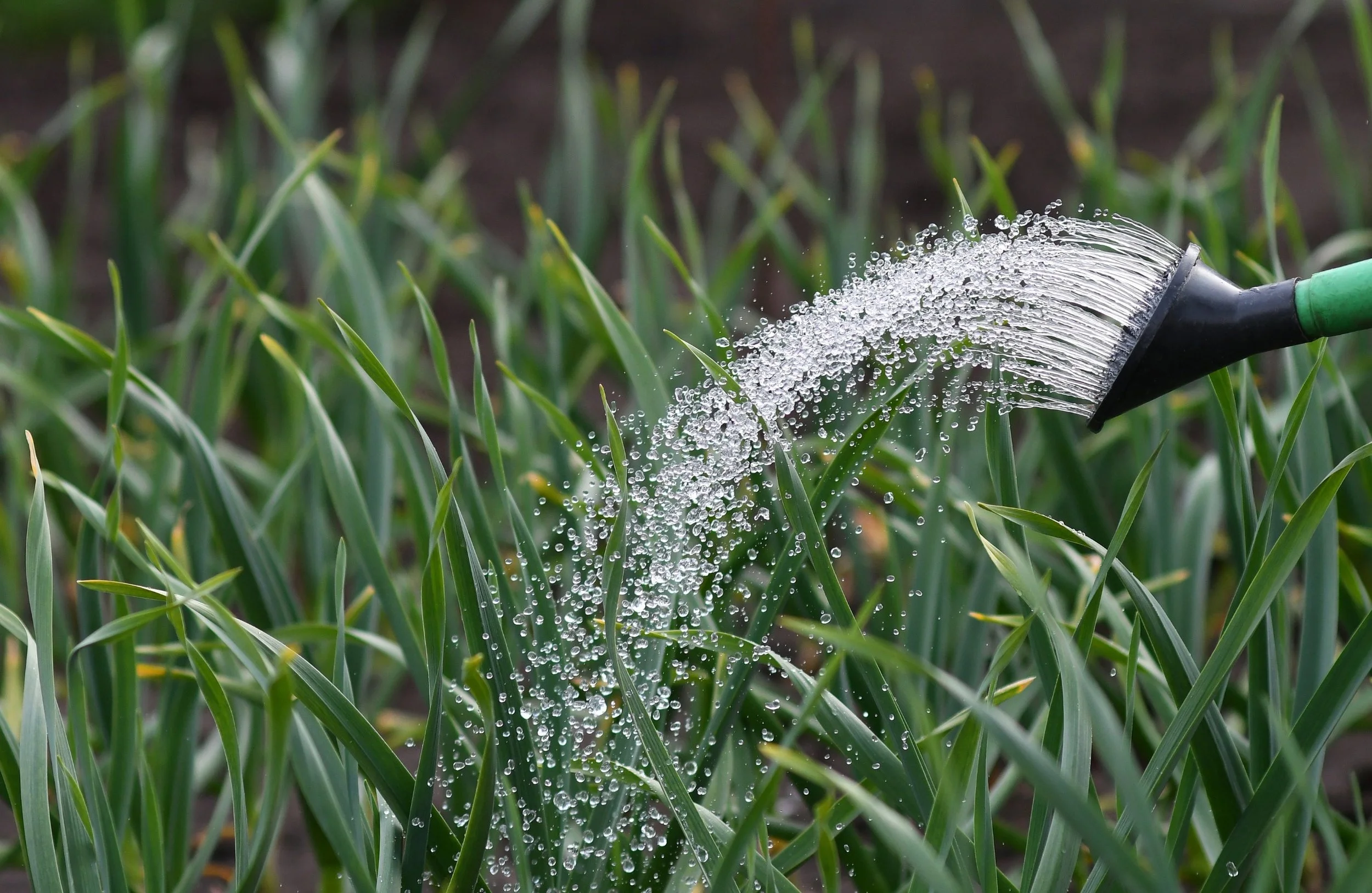
Garlic spends most of its life needing very little from you. Planted in autumn, it sits through the winter on rain alone, and it only starts to need your help once the weather warms and the bulbs begin to swell. Knowing when to start watering, and just as importantly when to stop, makes a real difference to the size and keeping quality of your bulbs.
The key is steady moisture while the bulbs are growing in spring and early summer, followed by drier soil as they ripen.
How often should you water garlic?
Garlic in the ground rarely needs watering over autumn and winter. From spring into early summer, water during dry spells, giving a deep soak roughly once a week when there's been little rain, to help the bulbs swell. Once the leaves start to turn yellow, stop watering, as the bulbs are close to ready and damp soil can make them rot. Garlic in containers dries out faster and needs checking every few days once spring growth begins.
Watering garlic through the year
Autumn and winter: no watering needed for garlic in the ground. The weather takes care of it, and soil that's too wet is a far bigger danger than dryness. Pots under cover may need the occasional drink.
Early spring: growth picks up. Water only if the soil is dry a few centimetres down, which is unusual at this time of year.
Late spring and early summer: the bulbs swell most at this stage. This is when watering in dry spells makes the biggest difference, so don't let the soil dry out for long.
As the leaves yellow: stop watering and let the soil dry out as the bulbs ripen.
Why late spring matters most
Garlic bulbs put on most of their size in the weeks before harvest, when the days are long and the plants are growing strongly. If the soil is dry then, the bulbs stay small. In a dry week, one long, slow watering that reaches well down to the roots is usually plenty.
If water is short, or there's a hosepipe ban, this is the period to prioritise garlic.
Reducing watering before harvest
Watering is usually reduced as harvest time approaches. When the leaves start to yellow, the bulbs are nearly mature and don't need more water. Drier soil helps them ripen and firm up their papery skins, which is what helps garlic keep for months.
Watering at this stage does more harm than good. Wet soil around ripening bulbs can make them rot, and can shorten how long they'll store.
For timing the harvest, see when to harvest garlic
Watering garlic in garden beds
Garlic growing in garden soil mostly needs watering during dry periods in spring and early summer.
Water deeply so the moisture reaches the roots. A finger pushed into the soil tells you when: if it comes out dry and dusty, it's time. Water the soil around the plants rather than splashing the leaves, as wet foliage encourages fungal diseases such as rust.
Watering garlic in containers
Container-grown garlic dries out much faster than garlic in the ground, especially once spring growth takes off. From April onwards, feel the compost two or three times a week, more in warm, breezy weather, and water when the top couple of centimetres have dried. Stop watering pots too once the leaves start to yellow.
For container advice, see growing garlic in containers
Avoiding overwatering
Too much water is one of the main causes of poor garlic. Waterlogged soil, especially over winter, can rot the cloves before they've grown, and wet soil near harvest can rot the bulbs. Grow garlic in well-drained ground, and on heavy clay, start it in modules or pots rather than planting straight into wet soil.
You can read more in how often to water a vegetable garden.
Signs of watering problems
Small bulbs: too dry while the bulbs were swelling in late spring and early summer.
Rotting bulbs or cloves: waterlogged soil, or watering too late in the season.
Bulbs splitting open: usually lifted too late.
Rusty orange pustules on the foliage: a fungal disease that thrives when leaves stay damp.
For other causes, see why garlic doesn't grow
Healthy garlic growth
Leave garlic to the rain over winter, water in dry spells as the bulbs swell in spring and early summer, keep the leaves dry, and stop watering once they turn yellow so the bulbs can ripen.
For growing advice, see how to grow garlic in the UK
Common questions
How often should I water garlic?
Only in dry spells from spring into early summer, when a deep soak about once a week helps the bulbs swell. Garlic in the ground doesn't need watering over winter. In pots, check every few days in spring.
When should I stop watering garlic?
Stop once the leaves start to turn yellow. The bulbs are nearly ready, and wet soil at this stage can make them rot and store less well.
Does garlic need watering in winter?
No, not if it's growing in the ground. The weather provides plenty, and soggy soil is the real risk at this time of year. Only pots kept under cover may need an occasional drink.
Can overwatering rot garlic?
Yes. Waterlogged soil in winter, or watering too late in the season, can make the cloves or bulbs rot. Grow garlic in well-drained soil and stop watering once the leaves yellow.