When to Harvest Broad Beans
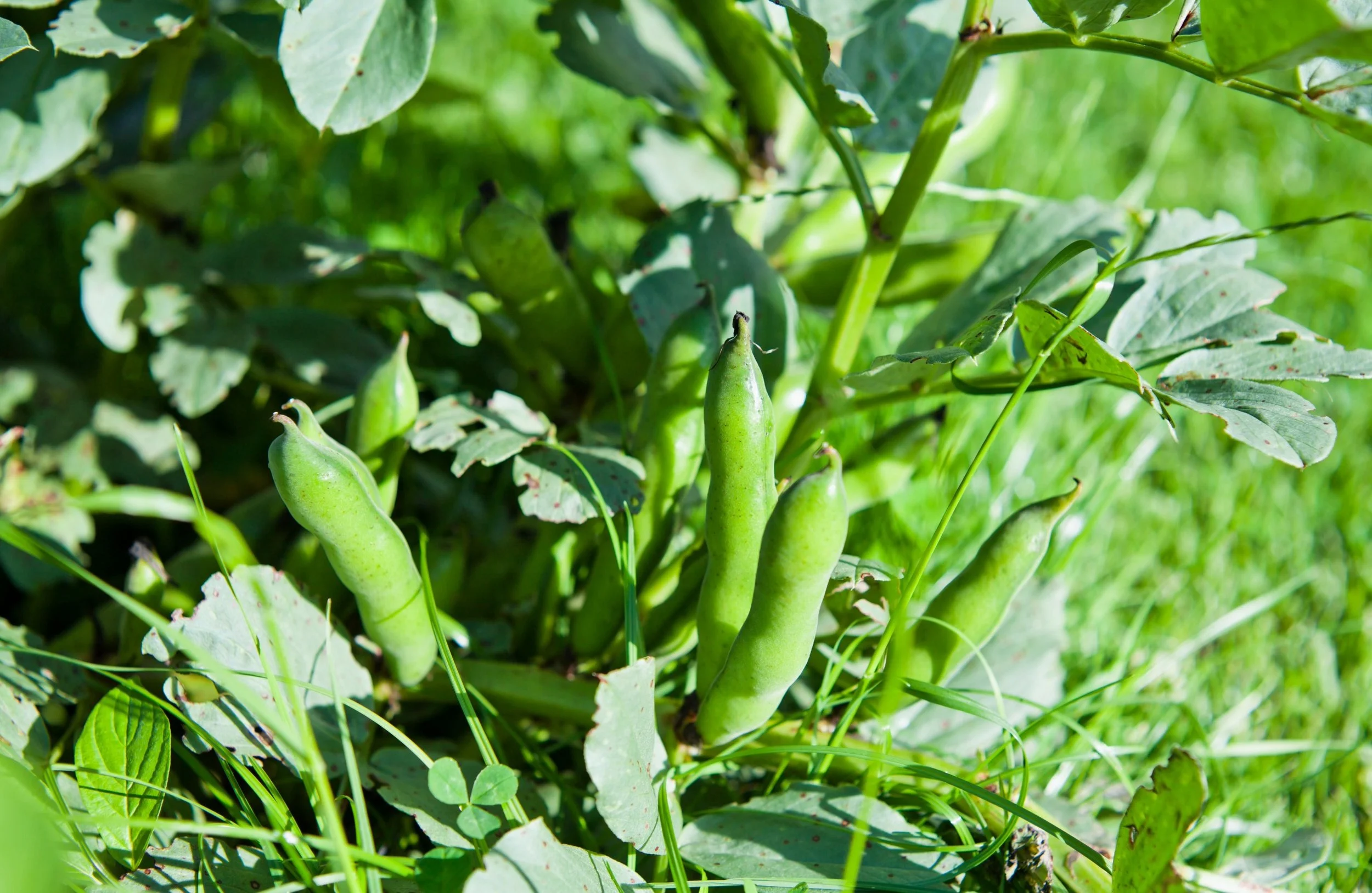
Broad beans are at their best picked young, before the beans inside grow large. Left too long, they turn floury and tough, so check your plants every few days once the pods start to fill.
Quick answer
Broad beans are ready between late May and August, depending on when you sowed them. Pick the lowest pods first, once they've swelled but before they get big and lumpy. To be sure, open one. If the edge of the bean, where it was attached to the pod, is pale, it's tender. If that edge is dark or black, it has gone tough.
When broad beans are ready in the UK
The picking season depends on when you sowed the beans.
Autumn sowings: the first pods are usually ready from late May into June.
Late winter and early spring sowings: expect beans from about June to July.
Late spring sowings: these crop later, often into August.
Sowing a new batch every fortnight or so spreads the harvest out, so you don't get one big glut.
To plan your sowings, see when to plant broad beans in the UK
How to tell broad beans are ready
A pod that's ready feels firm and well rounded, and you can see the outline of the beans pushing against the skin. It should still look fresh and green, not dull or wrinkled.
The most reliable check is inside the pod. Every bean has a little strip along one edge, called the hilum, where it was attached to the inside of the pod. While that strip is still light green or creamy, the bean is sweet and soft. When it turns dark, the skin has thickened and the bean has become mealy.
Eating baby pods whole
For something different, try some baby pods about 5 cm long, picked before the beans inside have formed. Steam or stir-fry them whole, the same way you'd use mangetout.
How to pick broad beans
The pods lowest on each stem fill up first, so start there and work up the plant over the following weeks. In warm weather, plants can go from a few ready pods to dozens within a week, so a quick look every two or three days stops the beans getting too big.
Don't tug pods off, because that can snap or loosen the stems. Cut them free with scissors or secateurs instead. Keep picking regularly, as each harvest prompts the plant to set more pods.
Harvesting broad beans in pots
Plants in containers are picked the same way. They often crop a little sooner, as the compost warms up faster in spring. Tips for growing in pots are in growing broad beans in containers
Storing and freezing
Fresh broad beans taste sweetest within a day or two of picking. Keep unshelled pods in the fridge until you need them. If you have more than you can eat, shell the beans, blanch them in boiling water for a couple of minutes, cool them quickly and freeze them in bags.
After the harvest
When the plants have finished cropping, cut the stems at soil level and add them to your compost. Don't dig up the roots. Like other legumes, broad beans have small nodules on their roots that trap nitrogen. As the roots rot, that nitrogen goes into the soil and gives the next crop a boost.
Our main guide, how to grow broad beans in the UK, covers the whole season.
Common questions
When are broad beans ready to harvest in the UK?
Between late May and August. Autumn-sown plants are ready first, from late May, and spring-sown plants follow from June.
How do you know when broad beans are ready?
Open a pod and check the edge of a bean where it was attached. A pale edge means it's tender and ready. A dark edge means the beans are getting tough.
Can you eat broad bean pods?
Yes. Baby pods around 5 cm long, picked before the beans form, are good steamed or stir-fried whole.
What do you do with broad bean plants after harvesting?
Cut the stems at soil level for the compost heap, and leave the roots in the ground. As the root nodules rot, they release nitrogen, which helps the next crop.
Harvest timing and picking advice based on RHS guidance.