Why Broad Beans Don’t Grow (and How to Fix It)
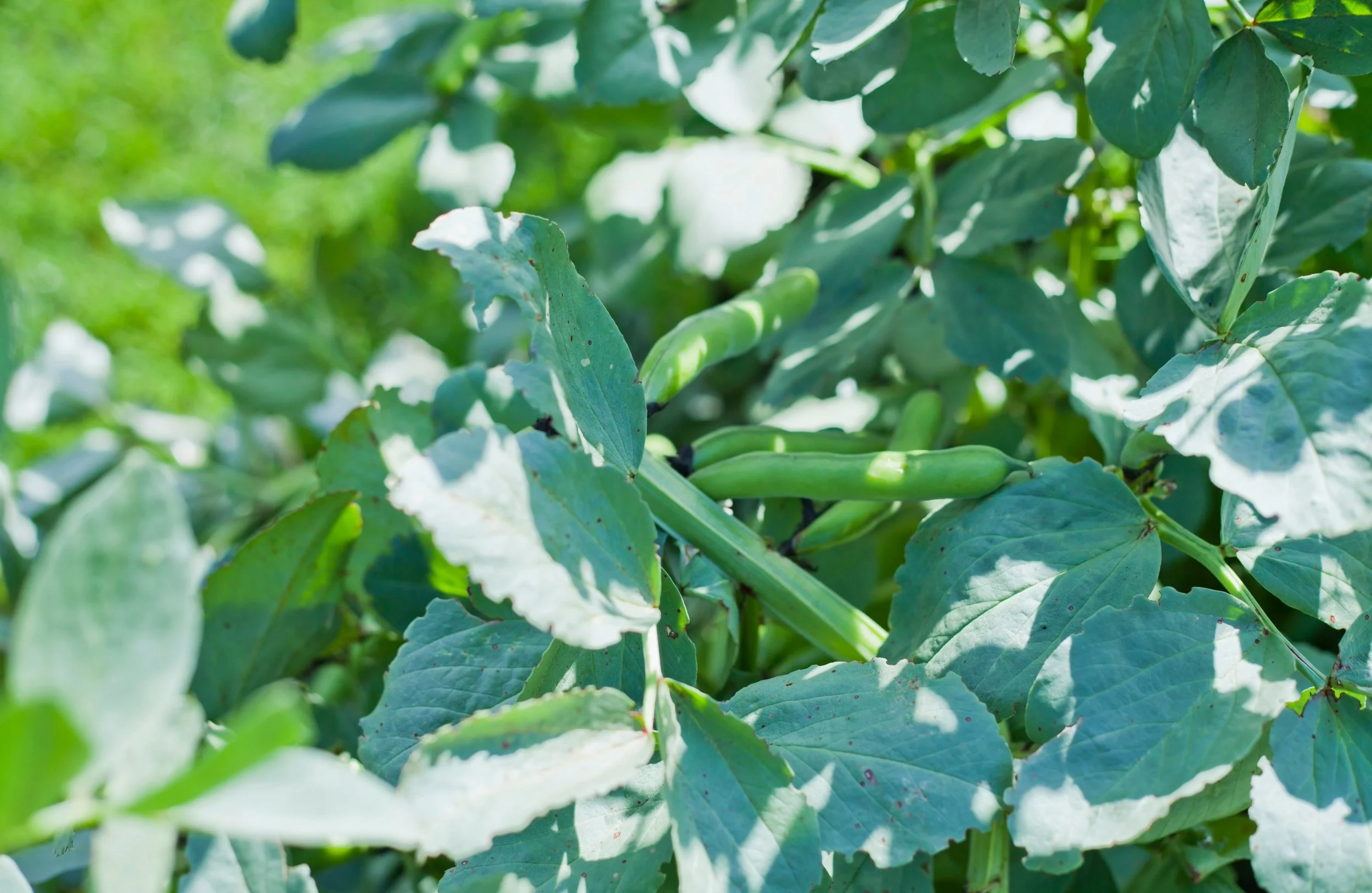
Broad beans are usually one of the most dependable crops in the garden, which makes it all the more puzzling when a row fails to appear, plants sit still for weeks, or tall, healthy-looking stems carry hardly any pods. In almost every case, the cause is something you can spot and put right, either this season or next.
Quick answer
When broad beans don't grow well, the usual suspects are cold, wet soil at sowing, mice, blackfly, the fungal disease chocolate spot, or dry soil at flowering time. Autumn sowings can also be lost to a hard or very wet winter. Working out which one you're dealing with is the key to fixing it.
Quick diagnosis: what are you seeing?
Seeds never came up: rotted in cold, wet soil, or dug up by mice.
Autumn-sown plants died over winter: harsh frost, waterlogging, or a variety that wasn't hardy enough.
Shoot tips covered in small black insects: blackfly.
Brown spots on the leaves and stems: chocolate spot.
Lots of flowers but few pods: dry soil at flowering, or hot weather.
Leaf edges with neat, U-shaped notches: pea and bean weevil.
Plants flopping over: not enough support.
1. Seeds didn't come up
Big bean seeds are a tempting snack for mice, above all in the colder months when there's little else around. A hungry mouse can work its way along a newly sown row, digging the beans up one at a time. Seeds can also rot where the soil stays cold and wet, particularly on heavy clay.
If this keeps happening, start the beans in pots or modules under cover instead, then plant them out as young plants. It's also worth sowing a handful of extras in a corner so you've got plants ready to fill any gaps.
2. Autumn sowings lost over winter
Hardy varieties shrug off most British winters, but an exceptionally cold spell, or weeks of waterlogged ground, can finish off autumn sowings. Non-hardy varieties sown in autumn are especially at risk.
For autumn sowing, choose a variety bred for it, such as 'Aquadulce Claudia', pick a well-drained spot, and have fleece ready for the coldest nights. On cold or heavy ground, you'll usually do better sowing in late winter or spring.
For timing, see when to plant broad beans in the UK
3. Blackfly
In late spring, clusters of tiny black aphids often gather on the soft shoot tips, sucking sap and weakening the plant. A bad attack can stop plants growing and cut the crop dramatically.
As soon as the lowest pods start to form, snap off the soft tip of each stem. Blackfly love that tender growth, and without it the plant puts more into its pods. Squash small colonies by hand, or knock them off with a jet of water. Plants sown early are often past their softest growth by the time blackfly numbers build up.
4. Chocolate spot
Chocolate spot is a fungal disease that shows up as small, dark brown marks on the leaves, stems and sometimes pods. In mild cases it's mostly cosmetic, but in damp, humid weather the spots can merge, the leaves blacken and the plant struggles.
It's worst where plants are crowded, the air is still and the soil is poorly drained. Give each plant room, avoid sowing into soggy ground, and clear away affected plants at the end of the season rather than leaving them on the plot.
5. Flowers but few pods
Broad bean plants can look perfectly healthy and still carry very few pods if they go short of water while in flower. This is the stage when the crop is decided, so a dry spell at the wrong time costs you most of it.
Give plants a thorough soak just as the flowers open, and another about two weeks later. That alone can make a big difference to the harvest. Hot summer weather can also reduce pod set, which is one reason earlier sowings often crop better.
For watering advice, see how often to water broad beans
6. Poor soil
Broad beans are fairly tough, but in thin, hungry or compacted soil they grow slowly and crop poorly. Improving the bed with compost or well-rotted manure a few weeks before sowing helps the roots and holds more moisture for the plants when they need it most.
You can read more in best soil for vegetable gardening in the UK
7. Notched leaves
If the leaf edges have small, neat, semicircular bites taken out of them in spring, pea and bean weevils are the cause. It looks worrying, but established plants usually grow away from it without much effect on the crop. Young seedlings are more vulnerable, so give them the best start with good soil and watering.
8. Plants falling over
Taller varieties easily get blown over or flattened by heavy rain, which damages the stems and reduces the crop. Put in stakes and string early, before the plants need them, or grow a dwarf variety that holds itself up.
Broad beans in containers
Beans in pots dry out quickly and can run short of food. Use a dwarf variety, a container at least 40 cm wide, and water regularly, especially once the plants flower.
For container advice, see growing broad beans in containers.
Getting a better crop
Most broad bean problems come down to a handful of things: the right sowing time for your garden, well-drained soil, protection from mice early on, and water at flowering time. Get those right, and you'll rarely have a bad year.
For full growing advice, see how to grow broad beans in the UK.
Common questions
Why have my broad bean seeds not come up?
Usually because the seeds rotted in cold, wet soil or were dug up by mice. Starting them in pots under cover and planting them out as young plants avoids both problems.
Why are my broad beans flowering but not producing pods?
The most common reason is dry soil while the plants were in flower. A deep soak when the first flowers open, followed by another a fortnight on, usually makes a noticeable difference. Hot weather and heavy blackfly attacks can also reduce the number of pods.
What are the brown spots on my broad bean leaves?
That's chocolate spot, a fungal disease that spreads fastest in muggy, wet spells, particularly where plants are packed closely together. Give plants more space, avoid waterlogged ground, and clear away affected plants at the end of the season.
How do I get rid of blackfly on broad beans?
Snap off the soft growing tips once the lowest pods appear, since that's where blackfly cluster first. Small infestations can be squashed or washed off with a strong jet of water.
Growing advice checked against RHS guidance.