What to Plant in November in the UK
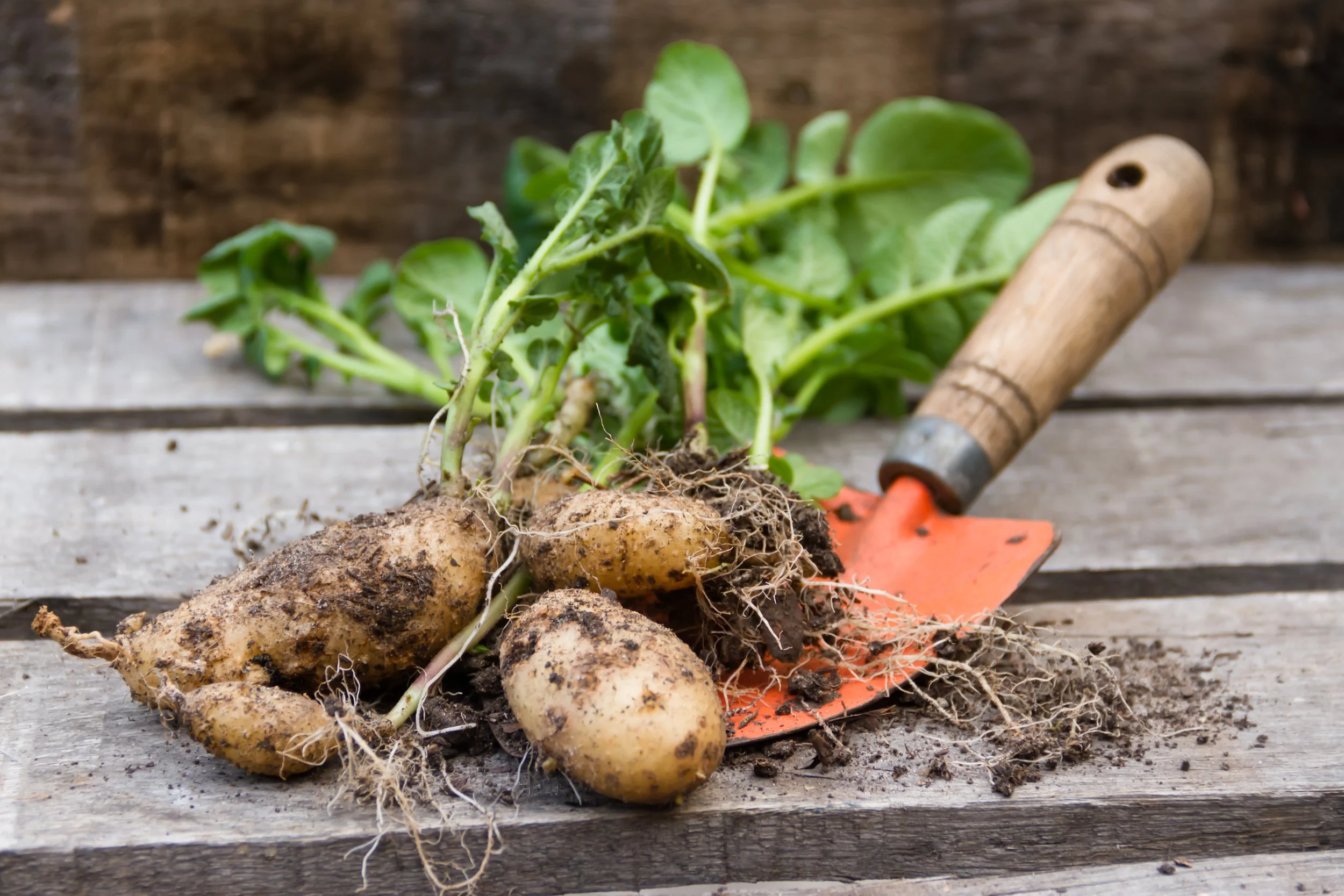
November is one of the quietest months in the UK vegetable garden. Colder temperatures and shorter days mean most planting stops, but a few hardy crops can still go in, and there's plenty to harvest.
This month is mainly about protecting crops and soil, tidying the plot and planning for next year. Small jobs now make a real difference to next year's growing season.
Quick guide: November at a glance
Plant: garlic (in mild areas, or in modules)
Sow: overwintering broad beans (mild areas, or in pots under cover)
Harvest: leeks, parsnips, Brussels sprouts, winter cabbage, carrots and more
Jobs: clear plant debris, protect brassicas from pigeons, put canes away, order seeds
Vegetables to plant in November
Garlic
You can still plant garlic in November. Only plant straight into the ground if you're in a mild area with free-draining soil and fairly low rainfall. Everywhere else, give each clove its own module cell and tuck the tray into a cold frame for the winter. Come spring, the young plants are ready to go into the ground.
For more, see when to plant garlic in the UK.
Broad beans
Broad beans sown now give you a head start on next year. Choose a tough, winter-hardy variety, such as 'Aquadulce Claudia' or 'The Sutton'. Sown any time between now and January, they'll give you your first fresh beans of the year in late May and June.
In mild areas: sow straight into a well-drained bed, with cloches over the top if you have them.
In colder areas: start them off in pots under glass, such as an unheated greenhouse, and move them outside in spring.
See how to grow broad beans in the UK and when to plant broad beans
Overwintering onion sets
The main time for planting overwintering onion sets is October. If you still have some to plant, get them in as soon as possible while the soil is workable. Avoid heavy, waterlogged soil, where sets are likely to rot.
See how to grow onions in the UK.
Whatever you're planting, wait if the soil is frozen solid or sodden.
Growing in pots and under cover
If your soil is heavy or wet, starting hardy crops under cover is the safest way to get them through winter:
Garlic: one clove per module, with the tray kept in a cold frame.
Broad beans: use deep pots, as the roots grow long quickly, and let them sit out the worst of winter in an unheated greenhouse.
Both get the winter chill they need without sitting in cold, soggy ground, and both are ready to plant out in spring.
What to harvest in November
There's still plenty to pick this month, including:
leeks
parsnips
Brussels sprouts
winter cabbage
cauliflowers
carrots, beetroot, turnips and swedes
spinach and Swiss chard
kohl rabi and radishes
Parsnips don't need lifting all at once. Dig them as you need them, as frost actually improves their flavour. If a hard freeze is forecast, lift a few and keep them in a shallow trench so you can still reach them.
For more, see
Protecting crops over winter
Pigeons: cover brassicas such as cabbages and sprouts with cloches, netting or fleece.
Mice: hungry mice dig up freshly sown seeds in winter, and broad beans are a favourite, so cover or protect anything newly sown.
Brussels sprouts: pick off yellow leaves as soon as you spot them, as they can spread grey mould and mildew. Tie tall, top-heavy stalks to a stake so winter winds don't loosen them.
Protecting soil over winter
November is a good time to look after your soil:
clear finished crops and plant debris, but don't compost anything diseased
add compost to empty beds
smother weedy patches over winter with two layers of cardboard and a layer of compost on top
mulch bare soil to protect its structure
Winter garden jobs
Put your canes away. Knock the soil off your bamboo canes and bundle them up somewhere dry. Left out in the wet, they split and rot, but stored under cover they'll be ready for next year's peas and beans.
Try forcing chicory. It's an easy winter crop to experiment with. Lift the roots, trim off the leaves, pot them up and put them somewhere warm and completely dark. In three to six weeks you'll have pale, crisp heads ready to cut.
Planning to grow asparagus? Clear and dig over the bed now, so it's ready when planting season comes round in spring.
Plan next year's crops. A wet November afternoon is the perfect time to browse seed catalogues and get your order in.
A quieter month in the garden
While planting is limited, November is a productive month for harvesting, protecting your crops and preparing the ground. The work you do now sets up next year's garden.
For what's next, see what to plant in December in the UK. If you missed last month's jobs, see what to plant in October.
Common questions
Is it too late to plant garlic in November?
Not at all. Garlic's planting season runs right through autumn and into early winter. If your garden is mild and the soil drains well, plant straight outside. If not, start the cloves in module trays in a cold frame and move them outdoors in spring.
Can I sow broad beans in November?
Yes, if you live somewhere mild. Pick a winter-hardy variety like 'Aquadulce Claudia' or 'The Sutton', which can go in any time from now until January and will crop in late May and June. In colder gardens, start them in pots under glass instead.
Should I dig up my parsnips before winter?
No need. Parsnips are happy to stay where they are all winter, and a frost or two makes them taste sweeter. The only reason to lift a few is if the ground might freeze solid, so store those in a shallow trench where you can still get at them.
What vegetables can I harvest in November?
Leeks, parsnips, Brussels sprouts, winter cabbage, cauliflowers, carrots, beetroot, turnips, swedes, spinach, Swiss chard, kohl rabi and radishes can all be harvested this month.
Planting times based on RHS guidance.