What to Plant in October in the UK
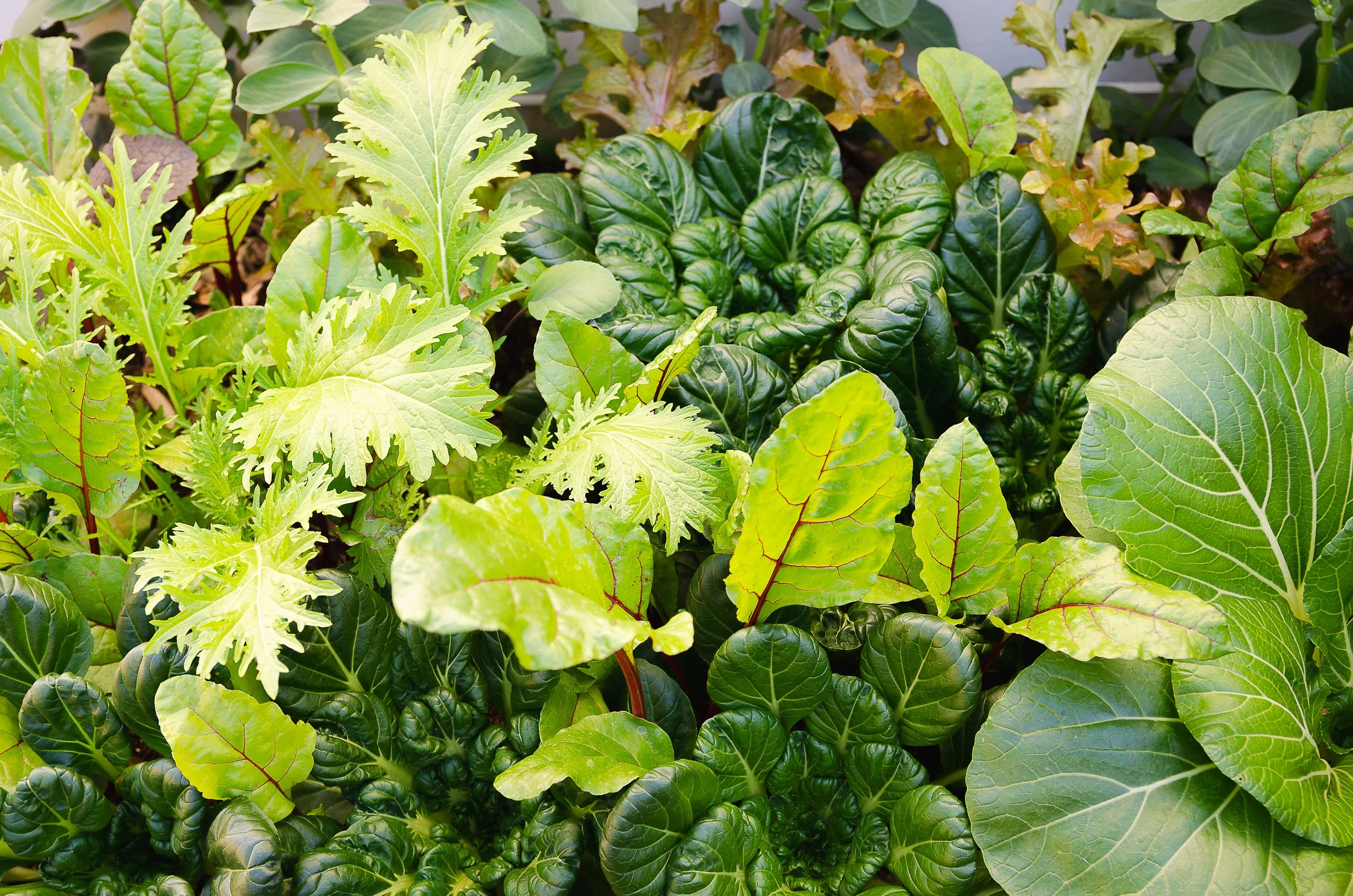
October is a quieter month in the UK vegetable garden. As temperatures fall and daylight shortens, most planting slows down. However, several hardy crops can still go in now for overwintering and an early harvest next year.
October is also an important time to prepare soil and tidy growing areas after the summer season. Even small tasks now can help next year's garden get off to a strong start.
Quick guide: October at a glance
Plant: garlic, overwintering onion sets, spring cabbages
Sow (mild areas only): overwintering broad beans, overwintering peas
Sow to protect empty soil: green manures
Jobs: add compost, clear old crops, protect new plantings from birds
Vegetables to plant in October
These hardy crops establish roots before winter and start growing again in spring.
Garlic
October is a good time to plant garlic. Garlic actually needs winter to do its job: a chilly spell of around one to two months, somewhere between 0 and 10°C, is what triggers each clove to grow into a full bulb. Break the bulb into separate cloves and push each one in with its pointed tip facing the sky and the flat root end at the bottom.
Space cloves 15 cm apart, in rows 30 cm apart.
Plant with the tip 2.5 cm below the surface.
Keep a layer of fleece over the bed for the first few weeks. Curious birds love tugging freshly planted cloves out before the roots have taken hold.
Overwintering onion sets
October is your last good chance to get overwintering (Japanese) onion sets in the ground, and they'll repay you with the first onions of the year, around June and July. These varieties are less sensitive to cold, which would otherwise make them bolt.
Plant sets 2 cm deep, with the tip just showing at the surface.
Space them 10–15 cm apart. Wider spacing gives bigger bulbs.
Protect with fleece or netting until rooted, as birds peck them out.
For more on onions, see how to grow onions in the UK.
Spring cabbages
Move spring cabbage plants into their final spot this month. Pigeons find young cabbage leaves irresistible in winter, so put a net over them on the same day. Pull it tight and pin the edges down, since loose, saggy netting can trap birds and other wildlife.
Crops to sow in mild areas only
If you garden in a mild part of the UK, you can also sow:
Broad beans: sow overwintering varieties directly where they are to grow. 'Aquadulce' is especially hardy. In colder areas, cover them with cloches or fleece, which also keeps pigeons off. If your garden is cold, windy or wet, it's safer to wait and sow in spring. See when to plant broad beans
Peas: pick a hardy variety bred to survive winter, like 'Meteor' or 'Douce Provence', and sow it now for an early start next year.
If your soil is heavy or wet
Garlic can rot in cold, waterlogged soil over winter. A simple workaround is to start each clove in its own cell of a module tray. Park the tray in a cold frame or unheated greenhouse, where it still gets the winter chill without sitting in mud, and move the young plants into the ground in spring.
Preparing garden soil
October is a good time to improve soil for next season. You can:
add compost to beds
remove weeds
clear old plant material
prepare raised beds
Finished pea and bean plants are worth one last job. Snip the stems off at ground level for your compost heap, but leave the roots where they are. Peas and beans store nitrogen in little nodules on their roots, and as those roots rot down over winter, that nitrogen feeds whatever you grow there next.
Protecting the soil over winter
Bare soil can lose nutrients and structure over winter. To protect it:
sow a green manure on any empty beds. Hardy options like grazing rye or winter field beans cover the soil through winter, and you dig them in next spring
cover soil with compost or mulch
clear diseased plants rather than leaving them on the ground
A slower gardening season
October marks the shift towards winter gardening in the UK. Planting becomes less frequent, but getting garlic and onions in the ground and preparing soil now makes a real difference next spring.
Planting times and spacing based on RHS guidance.