What to Plant in December in the UK
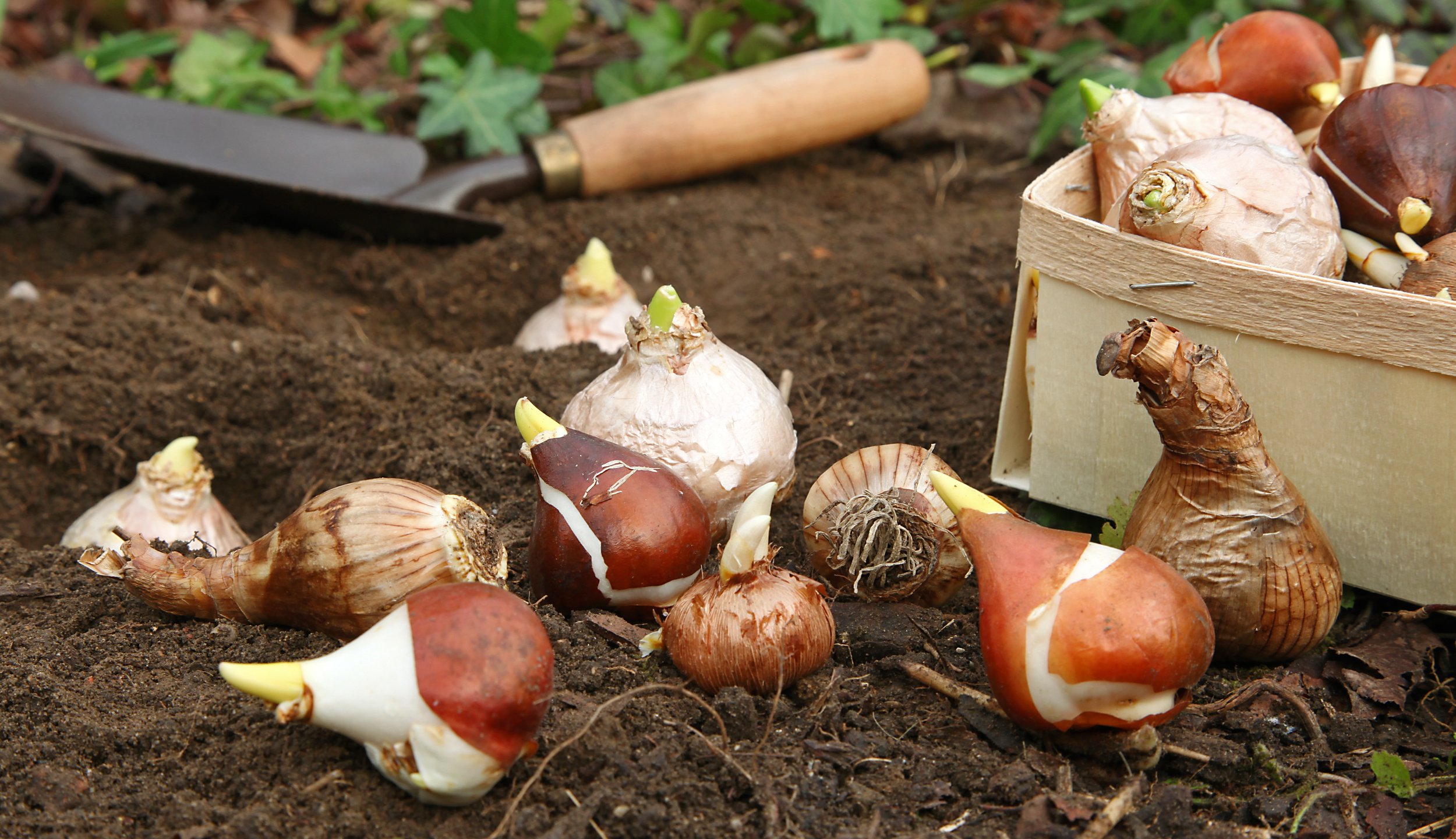
By December, most British veg plots have gone to sleep. Days are at their shortest, frosts are common and very little grows. But it's far from a lost month. There's still food to pick for Christmas dinner, a few things to plant in mild spells, and plenty of small jobs that set you up for a better year ahead.
Quick guide: December at a glance
Plant: garlic on any day the soil is workable, plus hardy broad beans where winters are mild (elsewhere, start them in deep pots in a cold greenhouse)
Sow indoors: cress, mustard and microgreens on a windowsill
Harvest: leeks, parsnips, Brussels sprouts, kale, winter cabbage, chard and winter salads under cover
Jobs: protect crops from frost and pigeons, check stored vegetables, clean pots and tools, order seeds and plan next year
What to plant in December
Garlic
The garlic planting season lasts until the end of the year, so December is still a good time, as long as the soil can be worked. Garlic actually benefits from cold weather, which helps the cloves split into a good bulb. If you have heavy clay that's sodden at this time of year, push single cloves into module trays of compost instead. Stand the trays somewhere sheltered but unheated, such as a porch or cold greenhouse, and plant them out in spring.
Broad beans
In milder parts of the country, you can still sow hardy varieties such as 'Aquadulce Claudia' and 'The Sutton' in December for an early crop next summer. Further north or on cold, wet ground, sow one bean in each deep pot of compost. Keep them under glass over winter and plant them out in spring.
A note on onion sets
Overwintering onion sets are best planted in early autumn. December is generally too late, as sets planted now struggle to root before the coldest weather and often rot in wet soil. It's better to wait and plant spring sets in March. See when to plant onions in the UK
Choose your moment: if the ground is frozen hard or sticks to your boots, give it a few days. Planting into cold mud does more harm than waiting.
Sowing indoors
With so little happening outside, a windowsill can keep you growing. Cress, mustard and microgreens are ready in a week or two and brighten up winter meals. Microgreens are seedlings of crops such as radish, peas and rocket, cut when tiny. All you need is a shallow tray, some compost or damp kitchen paper and a bright windowsill.
What to harvest in December
December is a good month for winter vegetables, and many are at their best around Christmas:
Parsnips: dig as needed. Frost makes them taste sweeter. See when to harvest parsnips
Brussels sprouts: pick from the bottom of the stem upwards, taking the firm, tight sprouts first.
Leeks: lift as you need them.
Kale: pick young leaves from the top and sides.
Winter cabbage: cut heads as they firm up. See when to harvest cabbage
Swiss chard and winter salads: especially under a cloche or in a greenhouse.
From the store: the potatoes, squash, onions and garlic you harvested earlier, plus any carrots kept in boxes of sand.
Before a big freeze, dig up enough parsnips and leeks for a few days, as frozen ground can make them impossible to lift.
Growing under cover
A greenhouse, cold frame or cloches let hardy leaves keep growing slowly through winter. Autumn-sown salads grow slowly at this time of year, so pick the outer leaves from each plant rather than cutting whole heads. Keep the compost on the dry side, water early in the day, and open the vents whenever it's mild to stop grey mould setting in.
Our month-by-month guide to what to grow in a greenhouse has more ideas.
Winter garden jobs
Protect brassicas. Pigeons are hungry in winter and can strip cabbages, kale and sprouts. Keep them covered with netting.
Stake tall sprouts. Wind can rock tall Brussels sprout plants, loosening their roots. Firm them in and tie them to a stake if needed.
Check stored vegetables. Look over stored potatoes, onions and squash every couple of weeks, and use or remove anything soft or sprouting before the rot spreads.
Protect pots. Move containers against a house wall or group them together for shelter, and raise them on pot feet so they don't sit in water.
Look after the soil. Spread compost or well-rotted manure over empty beds, or cover them so the rain doesn't wash out nutrients. Only dig if the soil isn't wet or frozen.
Make leaf mould. Gather fallen leaves into a bin or a bag with a few holes in it. In a year or two they'll turn into crumbly leaf mould you can dig in to improve the soil.
Clean up. Wash pots and seed trays, sharpen and oil tools, and clean greenhouse glass to let in as much winter light as possible.
Plan next year's garden
December is the perfect time to plan, while the garden is quiet:
Look back at what grew well and what didn't.
Plan which crops go where, moving them to a different bed from last year to help reduce pests and diseases.
Order seeds early, while the full range is available.
Order seed potatoes, ready to start chitting (sprouting) in late January or February.
Our vegetable growing calendar is a handy planning tool, and vegetables that grow all year round shows how to keep something cropping in every season.
Looking ahead
Next month, planning continues and the first sowings begin under cover. See what to plant in January. If you missed last month's jobs, see what to plant in November
Common questions
Can you plant anything in December in the UK?
Yes. Garlic can go in whenever the soil can be worked, and hardy broad beans can be sown outdoors in milder regions or in pots under glass elsewhere. Indoors, you can grow cress and microgreens on a windowsill all winter.
Is it too late to plant garlic in December?
No. December is still within the garlic planting season, and the cold does the cloves good. If your soil is waterlogged, plant them in module trays under cover and plant them out in spring.
What vegetables can I harvest in December?
Parsnips, Brussels sprouts, leeks, kale, winter cabbage and Swiss chard, plus winter salads under cover and stored crops such as potatoes, onions and squash.
What should I do in the vegetable garden in December?
Protect crops from pigeons and frost, check stored vegetables, spread compost over empty beds, clean pots and tools, and order seeds for next year.
Planting times based on RHS guidance.