What to Plant in January in the UK
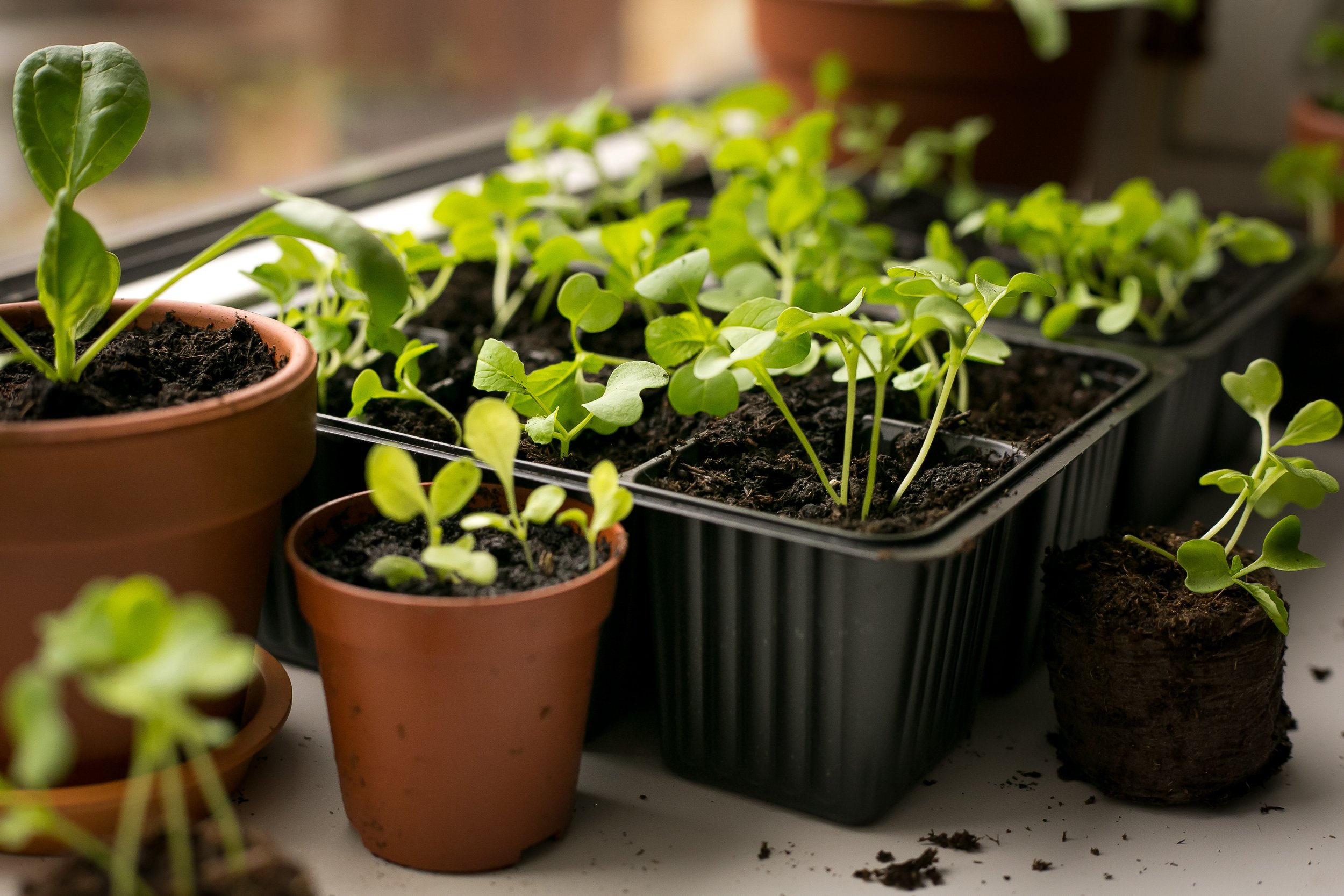
January looks like the emptiest month of the gardening year, and in terms of what you can plant outside, it nearly is. But it’s the month the new season actually starts: the first seeds of the year go into propagators, the plot gets prepared while nothing is growing in it, and the decisions you make now shape everything that follows.
Quick answer
Outdoors, January is mostly a harvesting and preparation month. Indoors is where the action is: onions raised from seed in a propagator with some bottom heat, the slowest chillies, and early lettuce, spinach, salad onions, turnips and summer brassicas on a bright windowsill. Mild areas can also start broad beans in pots, kept under a cold frame. Outside, carry on picking winter crops, put covers over seedbeds to take the chill off the soil, dig organic matter into heavy ground and settle your crop rotation.
Sow indoors
Given a propagator, or simply a warm and genuinely bright windowsill, a handful of crops can start now:
Onions grown from seed have the longest season of any crop here, which is why January is their month; they want gentle heat underneath to germinate. Full timings: when to plant onions in the UK
Chillies, particularly the hottest and slowest varieties such as habaneros and scotch bonnets, need every week of warmth they can get. Our chilli sowing calendar has the detail.
Early lettuce, spinach, salad onions and turnips can be started indoors in peat-free seed compost for early crops.
Summer brassicas can also be sown now under cover for planting out in spring.
The catch in January is light, not warmth. Short, dull days mean seedlings stretch towards the window and grow tall and weak. Give them the brightest spot you have, turn the pots daily, and consider a grow light. If yours are already leggy, see leggy seedlings
There’s a fuller timetable in when to start vegetable seeds indoors
Sow under cover
Where winters are kinder, sow broad beans into pots now and stand them in a cold frame or an unheated glasshouse to grow on. By the time conditions outside improve, you’ll have tough little plants waiting. Regional dates are set out in our broad bean planting guide
Plant outdoors
Very little goes into the ground this month, and everything that does comes with the same condition: the soil must be neither frozen nor sodden.
Garlic can still go in if you missed the autumn window, as long as the ground is workable. Our garlic planting guide explains how late is too late.
Bare-root trees and bushes can be planted through the dormant season whenever the soil allows.
If it’s rock hard or squelching underfoot, hold off. Anything forced into cold, wet ground in January will be overtaken by the same crop planted a few weeks later in decent conditions.
What to harvest
The winter plot is more productive than it looks:
Brussels sprouts, picking the largest from the bottom of the stalk first and working upwards
Leeks, parsnips, kale, winter cabbage, swedes and Swiss chard
Chicory, which can be forced indoors for plump, pale heads
Stored crops from autumn, checking them over and removing anything starting to rot
Jobs for the month
This is where January earns its place. With the plot empty, everything is easier:
Plan the crop rotation. Work out what goes where before you order a single seed.
Order seeds early, while the varieties you want are still in stock.
Take the chill off the ground ahead of early sowings by putting cloches, a cold frame or fleece over the bed two or three weeks first.
Improve heavy soil by adding organic matter to help drainage.
Stay off wet soil, or work from a plank laid across the bed, so you don’t compact it. There’s more in why soil becomes compacted
Clean pots, trays and tools ready for the spring rush.
Save egg boxes for chitting seed potatoes, which starts next month.
Protecting what’s growing
Winter crops still need looking after:
Protect early sowings and young plants from slugs, which stay active in mild, damp spells. See slugs eating seedlings
Net brassicas against pigeons, which do most damage in the hungry months. Keep netting taut and well secured so birds and other wildlife can’t get tangled in it.
Check brassicas for grey mould and downy mildew, and remove affected leaves.
Firm in or earth up tall Brussels sprout stems that are rocking in the wind.
Keep diseased material out of the compost heap: blighted potatoes, white rot on onions and anything carrying rust should all be binned.
Under glass
A greenhouse or polytunnel widens what’s possible, though growth is slow in low light. Winter lettuce, spinach and hardy herbs will tick over, and the space comes into its own as a frost-free home for the first sowings. Our month-by-month greenhouse guide covers the whole year.
Looking ahead
January is the slowest month, and the pace picks up quickly from here. February brings chitting potatoes and the first tomato sowings, and by March the season is properly underway.
What to plant in February picks up from here, and what to plant in December is there if you’re catching up. New to all this? Two good starting points are how to start a vegetable garden in the UK and our guide to preparing soil for a vegetable garden
Common questions
What can you plant in January in the UK?
Outdoors, very little: garlic if the ground is workable, and bare-root trees and bushes. Indoors, onion seed, chillies, early lettuce, spinach, salad onions, turnips and summer brassicas. Broad beans can be sown in pots in mild areas.
Is it too early to sow seeds in January?
Not for crops that need a long season, such as onions from seed and the hottest chillies. Everything else does better sown in February or March, simply because there isn’t enough light in January to grow a sturdy plant.
What vegetables can you harvest in January?
Brussels sprouts, leeks, parsnips, kale, winter cabbage, swedes and Swiss chard, plus forced chicory and anything you stored from autumn.
Can you plant potatoes in January?
No. January is for buying seed potatoes and saving egg boxes; chitting starts in February, and planting follows from March.
Sowing lists and January jobs based on RHS guidance.