What to Plant in February in the UK
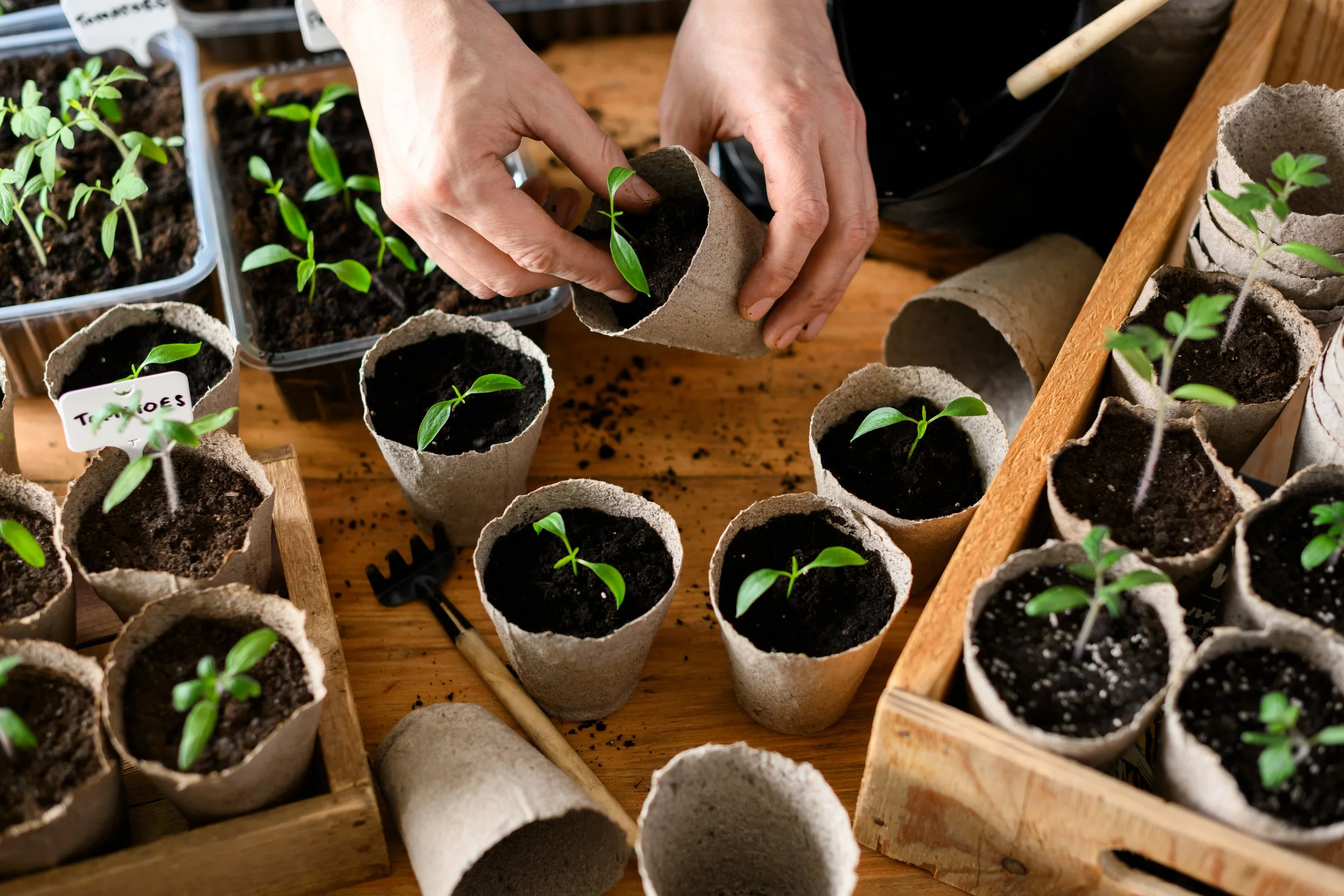
February is when the growing year properly restarts. The days are noticeably longer by the end of the month, seed potatoes arrive, and the first tomatoes and chillies go into propagators. It’s also the month that catches people out, because a mild fortnight tempts everyone into sowing outdoors several weeks before most soil is ready.
Quick answer
Indoors, February is for chitting seed potatoes and, from mid-month, sowing tomatoes, chillies, cucumbers and aubergines for growing under glass. Peas can be started in guttering in the greenhouse. Outdoor sowing is possible, but only in mild areas on light, sandy soil: radish, lettuce and salad onions, spinach, early beetroot, carrots and parsnips, summer cabbage and broad beans. On heavier ground, wait for March or April. Garlic and shallots can be planted on light soils, and it’s the month to test your soil pH before growing brassicas.
Chit your seed potatoes
Start chitting as soon as the tubers arrive. Stand them in egg boxes or trays, blunt end upwards, somewhere cool, frost-free and bright, such as a windowsill in an unheated room. They’ll produce short, sturdy green shoots over several weeks, which gives earlies a head start when planting begins in March.
Our potato planting guide sets out the dates for earlies, second earlies and maincrop.
Sow indoors from mid-February
The second half of the month is the point at which the long-season summer crops go in, as long as they’re destined for a greenhouse or polytunnel:
Tomatoes, which need a long run to fruiting. Dates are in our tomato planting guide.
Chillies and peppers, with the hottest chillies ideally sown back in January. Our guides: when to plant chillies and when to plant peppers
Cucumbers and aubergines for growing under cover.
Onions from seed and early lettuce, if you didn’t start them last month.
Use peat-free seed compost and keep everything somewhere warm and bright. If you’re growing these on for planting outdoors rather than under glass, hold off until March, or you’ll be nursing large plants indoors for weeks longer than necessary.
Starting vegetable seeds indoors sets out the whole crop-by-crop timetable.
Peas in the greenhouse
A neat trick for an early crop: sow peas along a length of clean guttering with drainage holes punched in it, filled with compost, and keep it in the greenhouse. When the ground is ready in spring, you slide the whole row straight into a prepared trench without disturbing the roots. Our pea planting guide covers the rest of the season.
Sowing outdoors: the honest version
This is where February advice is often too optimistic. Outdoor sowing this month works in mild parts of the country on light, sandy soil that drains and warms quickly. On clay, or anywhere cold and wet, seed sown in February mostly rots.
Where conditions genuinely allow, you can sow:
broad beans
carrots and parsnips
early beetroot
salad onions, lettuce and radish
spinach
summer cabbage
Raised beds and containers warm up considerably faster than open ground, so they’re often ready when the beds aren’t. Putting cloches or fleece over a patch two or three weeks ahead also makes a real difference. If in any doubt, wait: March and April sowings routinely catch up with February ones.
Plant outdoors
Garlic and shallots on light soils only; heavier ground needs more time to warm. Our garlic planting guide has the full window.
Jerusalem artichoke tubers can be planted now.
Soft fruit and top fruit, bare-root stock included, can go in at any point the ground is workable rather than frozen or flooded.
Preparing the ground
Get seedbeds ready on any day the ground is workable. With no-dig there’s far less to do, and less disturbance to the soil.
Test your soil pH before growing brassicas, and add lime if it comes in below 5.5. Brassicas do badly on acid soil, and lime also reduces clubroot.
Plan the crop rotation if you haven’t already.
Prepare new asparagus beds ready for planting crowns in spring.
There’s more on getting beds ready in how to prepare soil for a vegetable garden
Feeding and protecting
Push spring cabbages along with something high in nitrogen: pelleted chicken manure, or a liquid feed made from nettles.
Keep netting over brassicas taut and well secured against pigeons, which are at their hungriest now.
Pull off yellowing brassica leaves promptly, as they invite grey mould and downy mildew.
Put cloches over outdoor strawberries for an earlier crop.
Watch for slugs as soon as anything young appears. See slugs eating seedlings
Watching the weather
February weather swings hard. A warm week in the middle of the month can feel like spring and is followed, more often than not, by a hard frost. Keep fleece to hand, don’t rush tender crops outdoors, and treat any mild spell as a chance to prepare ground rather than a signal to plant.
Looking ahead
March is when it all accelerates: potatoes go in, outdoor sowing starts in earnest across the country, and the greenhouse fills up.
What to plant in March covers that, and what to plant in January is behind you. Just getting going? Our beginner’s guide covers the groundwork.
Common questions
What can you plant in February in the UK?
Indoors from mid-month: tomatoes, chillies, peppers, cucumbers and aubergines for growing under glass, plus onions and lettuce. Outdoors, only in mild areas on light soil: radish, lettuce, salad onions, spinach, early beetroot, carrots, parsnips, summer cabbage and broad beans. Garlic and shallots can be planted on light soils.
When should I chit seed potatoes?
As soon as they arrive in February. Stand them blunt end up in egg boxes somewhere cool, frost-free and light, and plant out from March once short green shoots have formed.
Is February too early to sow tomatoes?
Not if they’re going into a greenhouse, where mid-February is right. For tomatoes destined for outdoors, March is a better bet, otherwise the plants get too big before it’s safe to put them out.
Can you sow seeds outdoors in February?
Only in mild areas with light, free-draining soil, and ideally under cloches or fleece. On heavy or wet ground, February sowings usually rot, and March sowings catch up anyway.
Sowing lists, chitting and February jobs based on RHS guidance.