Why Seeds Don’t Germinate (and How to Fix It)
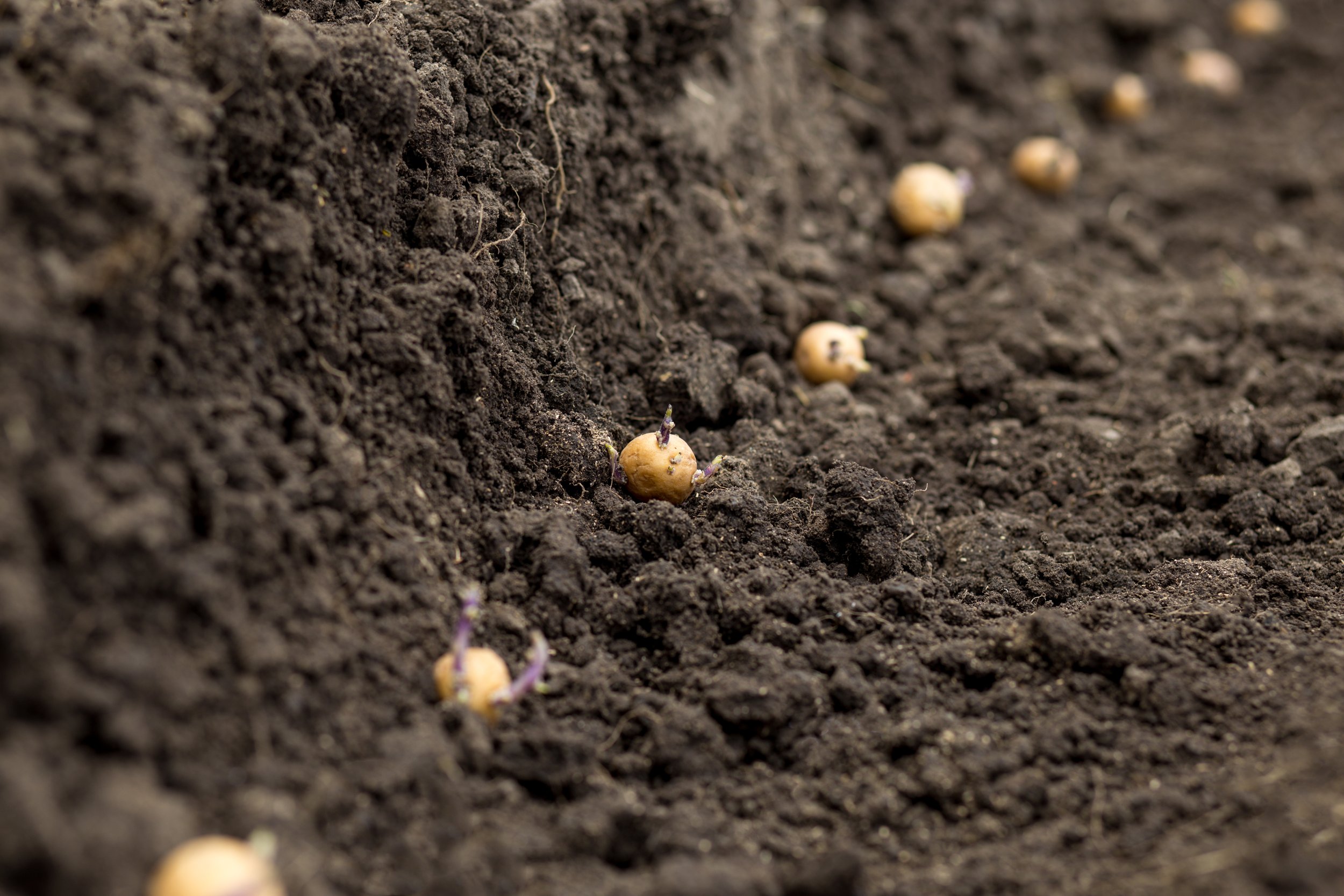
Seeds that fail to germinate can be frustrating, especially when you’re just starting a vegetable garden. In most cases, the problem is not the seeds themselves but the growing conditions.
Seeds need the right balance of moisture, warmth, air, and time to germinate successfully.
Once you understand the common causes, germination problems are usually easy to fix.
Soil too dry
Seeds need consistent moisture to begin growing.
If soil dries out after sowing, seeds may stop developing.
Keep soil:
evenly moist
not waterlogged
Gentle watering with a watering can or spray helps prevent seeds from being disturbed.
If you’re unsure about watering, see how often to water a vegetable garden.
Soil too cold
Many vegetable seeds need warm soil to germinate.
Cold soil in early spring can slow or stop germination.
Starting seeds indoors or waiting for warmer weather often improves results.
This is especially true for vegetables like tomatoes and courgettes.
Seeds planted too deep
If seeds are planted too deeply, they may struggle to reach the surface.
A simple rule is:
Plant seeds at a depth about twice their size.
Small seeds should be covered very lightly.
Overwatering
Too much water can cause seeds to rot before they sprout.
Soil should feel moist but not soggy.
Good drainage helps prevent this problem.
Old or poor-quality seeds
Seeds don’t last forever.
Older seeds sometimes have lower germination rates.
Using fresh seeds each season improves reliability.
Store seeds in a cool, dry place.
Not enough time
Some seeds take longer to germinate than others.
It’s easy to assume seeds have failed when they simply need more time.
Check seed packets for expected germination times.
Patience often solves the problem.
Germination gets easier with practice
Most gardeners experience germination problems at some point.
By keeping soil moist, planting at the right depth, and waiting for warmer conditions, seeds usually grow successfully.
Small adjustments often make a big difference.