How Often to Water Leeks
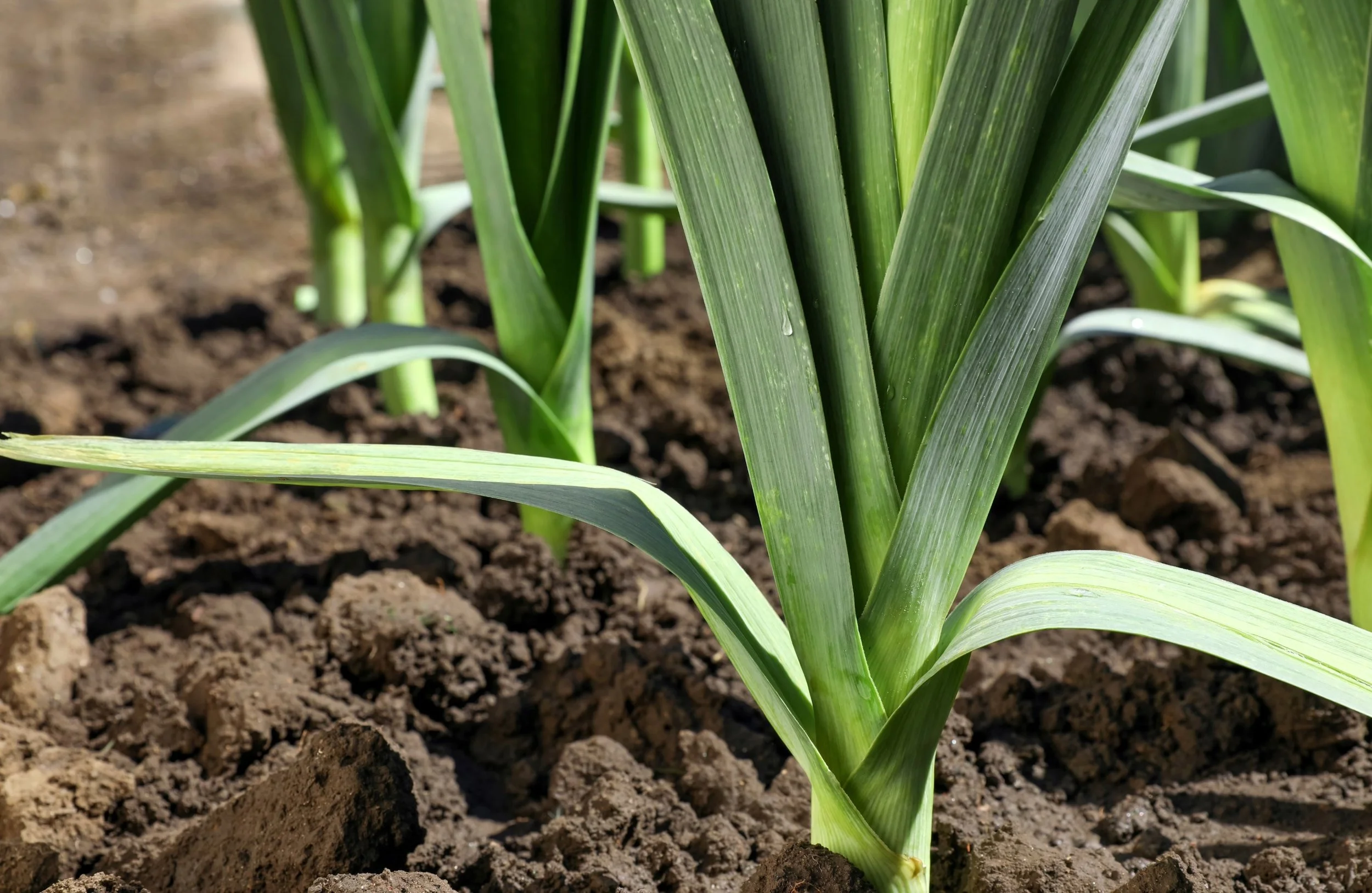
Leeks are one of the easiest crops in the garden to keep watered. Once they've settled in, a normal British summer usually gives them most of the moisture they need, and through autumn and winter, when they're ready to harvest, they need none at all. There are just two times they really depend on you: when you first plant them out, and during long dry spells in summer.
Get those right and you'll have thick, well-blanched leeks to dig from autumn right through to spring.
How often should you water leeks?
The RHS advice is that leeks only need watering while they're establishing and during very dry spells. Water them in thoroughly when you plant them, keep them moist for the first few weeks, then leave them to the rain unless it turns dry for a while, when a good soak about once a week is plenty. Leeks in containers need checking every few days in warm weather. From autumn onwards, you can stop watering altogether.
Watering at planting: puddling in
Leeks are traditionally planted by dropping each young plant into a deep, narrow hole made with a dibber. Rather than filling the hole with soil, you simply fill it with water and let it drain away. This is called puddling in. The water washes a little soil down around the roots and settles the plant, while the open hole leaves room for the stem to swell and helps to blanch it.
After puddling in, keep the soil moist for the next few weeks while the young leeks root into the ground. This is when they're most likely to suffer if the weather turns dry.
For planting times, see when to plant leeks
Watering leeks in garden beds
Once established, leeks put down roots that find water well below the surface, and in most summers the rain does the job. If there's a long dry spell, especially a hot one, give the row a thorough soak about once a week. One deep watering is far better than a little every day, which only wets the surface.
Water at the base of the plants rather than over the leaves. Wet foliage can encourage rust, the orange-spotted fungal disease leeks often suffer from.
A layer of compost or grass clippings between the rows helps keep the soil moist and cuts down on weeding. Leeks have narrow leaves that don't shade out weeds, so keep the rows clear, as weeds compete for water.
Watering leeks in containers
Leeks can be grown in deep pots, which are handy if you're short on space. Containers dry out much faster than the ground, so check the compost every few days in summer, and more often in hot weather. Water thoroughly until it drains from the base. Choose a pot deep enough to give the stems room to develop.
For container advice, see growing leeks in containers
Leeks in autumn and winter
By the time leeks are ready to harvest, from autumn onwards, the weather has turned cooler and wetter, and they don't need watering. They're very hardy and can stay in the ground through the winter, to be dug as needed. Leeks in containers may need the odd drink if they're sheltered from rain.
For lifting tips, see when to harvest leeks
Avoiding overwatering
Leeks like moist soil, but they can rot in ground that stays waterlogged. Grow them in fertile, well-drained soil, improve heavy clay with plenty of organic matter before planting, and make sure containers have drainage holes. Avoid watering if the soil is already damp.
You can read more in how often to water a vegetable garden
Signs of watering problems
Thin, slow-growing leeks: often short of water while establishing, or through a long dry summer.
Plants flowering early: stress, including prolonged drought.
Orange spots on the leaves: rust, which is worse on crowded plants with poor airflow. Give plants space and water the soil, not the leaves.
Yellowing, rotting stems: soil that stays waterlogged.
For other causes, see why leeks don't grow
Healthy leek growth
Water newly planted leeks well, puddle them in, keep them moist until established, then only water in long dry spells. Mulch to hold moisture, keep the rows weeded, and let autumn rain take over as harvest time approaches.
For growing advice, see how to grow leeks in the UK
Common questions
How often should I water leeks?
Only while they're establishing and during long dry spells. In dry weather, a thorough soak about once a week is enough for leeks in the ground. Pots need checking every few days in summer.
What does puddling in leeks mean?
Puddling in means filling each planting hole with water instead of soil. As the water drains, it draws a little soil down around the roots and gives the young leek a good start, while the open hole leaves room for the stem to grow.
Do leeks need a lot of water?
Rarely once they're established. In a normal British summer, rain provides most of what they need. Water only during long dry spells, especially hot ones.
Do leeks need watering in winter?
No. By autumn and winter, leeks have stopped needing extra water, and the rain keeps the soil moist. Just leave them in the ground and dig them as you need them.
Watering advice based on RHS guidance.