Vegetable garden layout for beginners
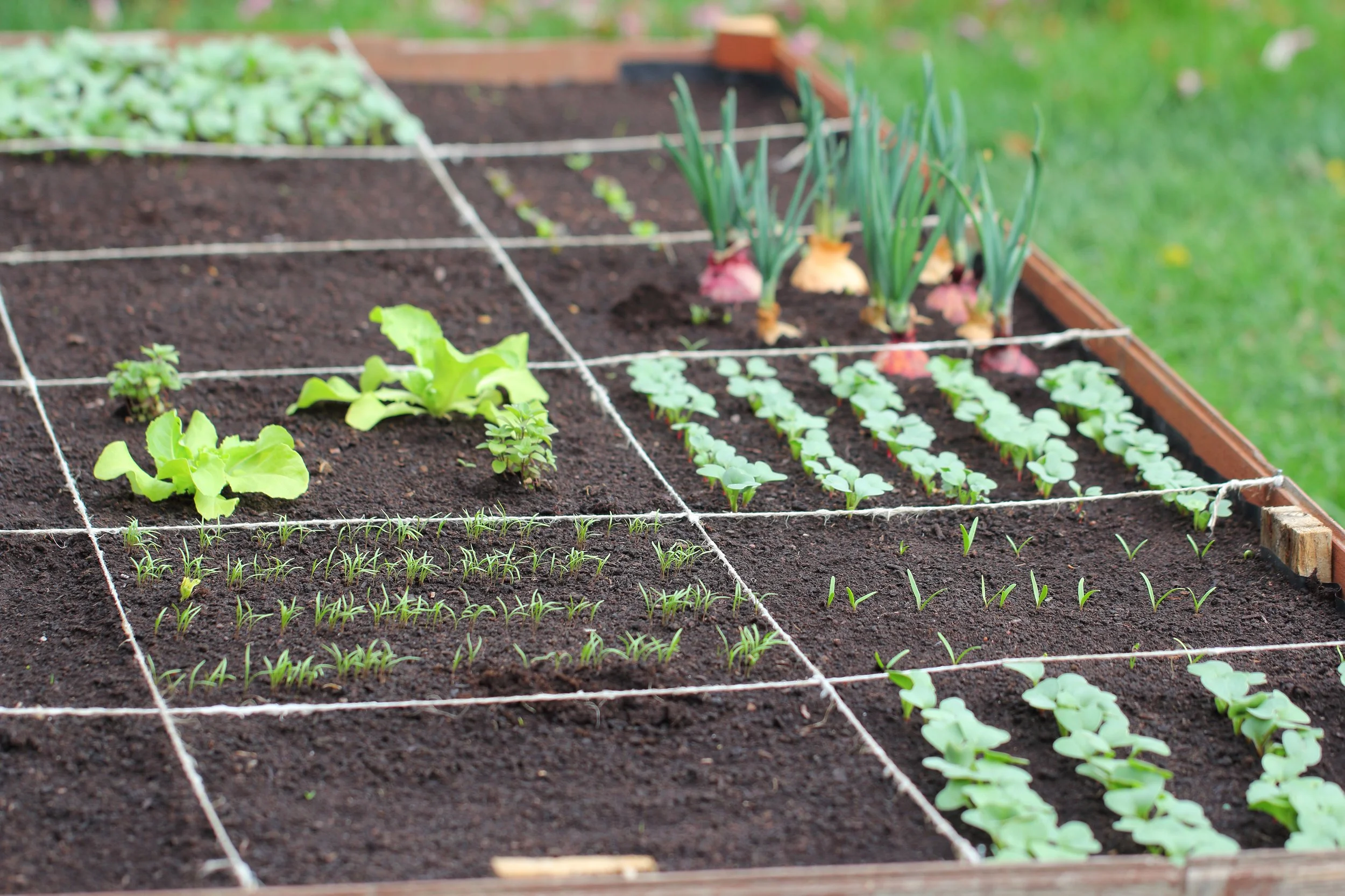
Planning your vegetable garden layout doesn’t need to be complicated. A simple, practical layout makes gardening easier to manage and helps plants grow well.
For beginners, the goal is to keep everything easy to reach, easy to water, and easy to maintain.
You don’t need a large space to grow vegetables successfully — just a sensible layout.
Start with a small growing area
It’s best to begin with a manageable space rather than trying to grow too much at once.
Good beginner options include:
one small garden bed
a raised bed
several containers
a small garden patch
Starting small helps you learn without feeling overwhelmed.
You can always expand your garden later.
Place taller plants at the back
If your garden bed is against a fence or wall, plant taller vegetables where they won’t block sunlight from smaller plants.
For example:
runner beans
tomatoes
sweetcorn
Shorter plants like lettuce and carrots should go at the front.
This helps all plants get enough sunlight.
Leave space between plants
Vegetables need room to grow and airflow to stay healthy.
Avoid planting too close together, which can lead to:
poor growth
disease
difficulty watering
harder harvesting
Seed packets usually include spacing guidelines, which are helpful for beginners.
Keep paths easy to reach
Make sure you can comfortably reach all parts of your garden without stepping on the soil.
Stepping on growing areas can:
compact soil
damage roots
reduce plant growth
Narrow paths between beds or containers make maintenance easier.
Consider container gardening
Containers are one of the easiest ways to control garden layout.
They work well for:
patios
small gardens
balconies
rented homes
You can move containers to follow sunlight and rearrange them as needed.
Many vegetables grow well in containers, including:
lettuce
carrots
potatoes
herbs
tomatoes
Keep watering simple
A good layout makes watering easier.
Try to:
group plants with similar watering needs
keep water access nearby
avoid overcrowding
Simple layouts are easier to maintain throughout the growing season.
A simple layout works best
Many beginners think garden layout needs careful planning, but simple designs often work best.
A few well-spaced plants in a sunny location can produce more than a crowded garden.
As you gain experience, you’ll naturally improve your layout each season.
The most important step is getting started.