Growing vegetables in containers (UK guide)
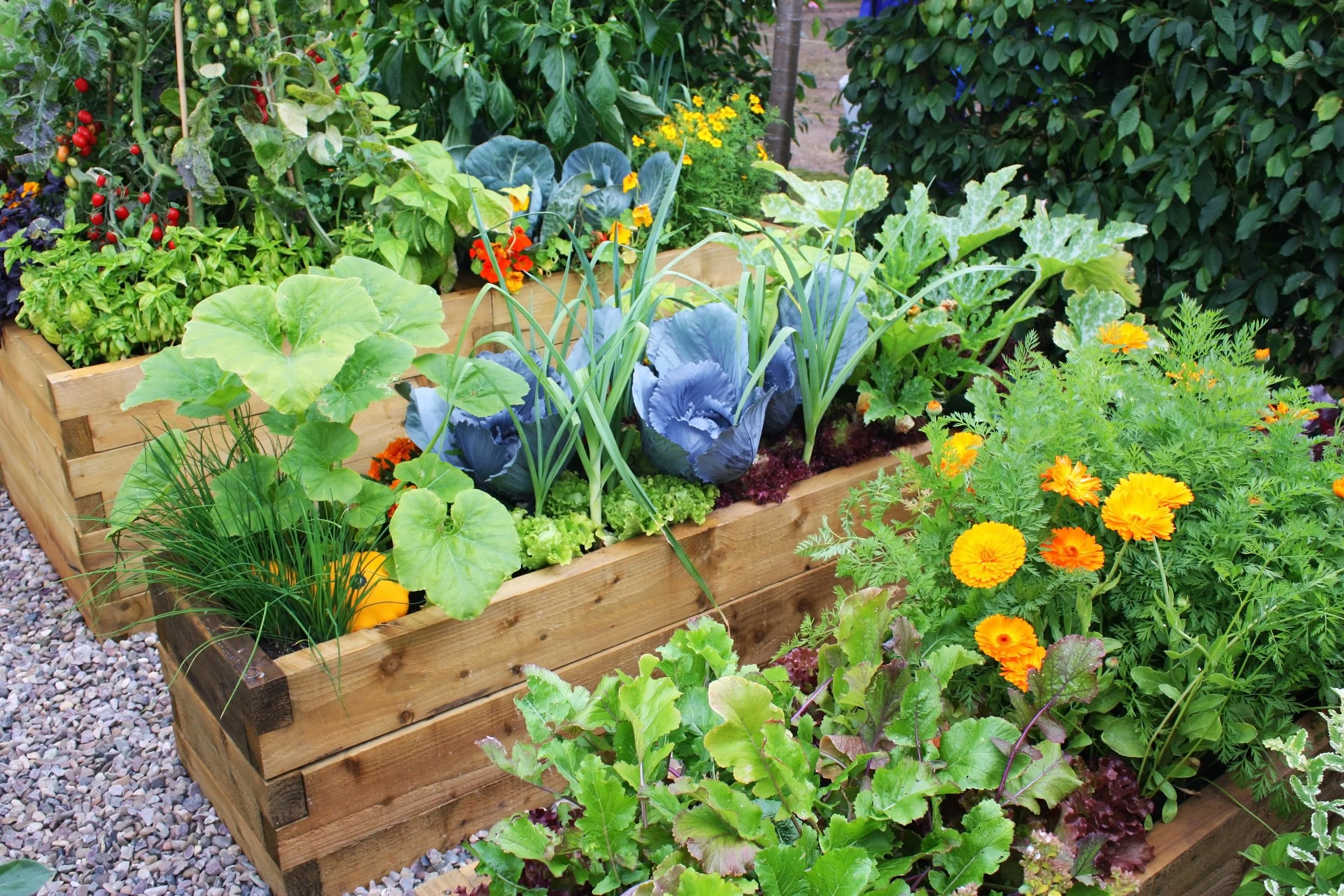
You can grow a surprising amount of food without a vegetable bed. A few well-chosen pots on a patio, balcony, doorstep or even a sunny windowsill can keep you in salads, beans, potatoes and herbs for much of the year. Pots are also a gentle way to start, because everything is small, close to hand and simple to look after.
This guide covers what every container crop needs, from the pot and compost to watering and feeding. It also links to our individual guides for 28 vegetables you can grow this way.
Quick answer
Pick the biggest containers you have room for, with holes in the base. The RHS suggests about 45 cm deep and wide where possible, as smaller pots need much more watering and feeding. Use bagged peat-free compost, not garden soil, and stand the pots where they'll get plenty of sun. In summer, water whenever the top few centimetres feel dry, which may be daily, and add a liquid feed to the can once a fortnight.
What you need to get started
Containers with drainage holes. Almost anything works, from terracotta pots to old buckets, as long as water can drain out.
Compost. Use bagged peat-free compost, not soil dug from the garden.
A sunny spot. Most vegetables need direct sun for a good part of the day.
A watering can or hose within easy reach, because you'll be using it a lot in summer.
Liquid plant food, such as a general-purpose feed, plus tomato feed for fruiting crops.
Choosing containers
The size of the pot matters more than anything else. A big volume of compost holds more water and more nutrients, so the plants are less likely to wilt on a hot afternoon or go hungry halfway through summer. The RHS recommends containers roughly 45 cm deep and 45 cm across where you can manage it. Smaller pots still work for quick, compact crops, but you'll need to water and feed them more often.
Each material has its pros and cons:
Plastic pots are light, cheap and slow to dry out.
Terracotta looks lovely but loses water through its sides, so it needs more watering.
Fabric grow bags drain well and fold away in winter, and the taller ones suit potatoes.
Wooden troughs and planters are roomy and good for rows of salads or roots.
Recycled containers, such as buckets, crates or old sinks, are fine once you've made holes in the bottom.
Whatever you choose, make sure excess water can escape. Roots sitting in waterlogged compost can't breathe and soon start to rot. Raising pots slightly on pot feet or bricks helps water drain away freely.
Compost for container vegetables
Garden soil isn't a good choice for pots. It packs down hard after repeated watering, drains poorly and can bring in weed seeds and pests. Use fresh, peat-free compost instead.
Multi-purpose compost is light and easy to handle. It suits most crops, especially fast salads and seedlings.
Soil-based compost, such as a peat-free John Innes No 3 mix, is heavier and holds water and nutrients for longer. It's a good choice for large, long-term containers and tall crops, because the weight keeps the pot steady.
Many growers mix the two for a balance of lightness and staying power. There's more on this in best soil for vegetable gardening in the UK and compost mistakes beginners make.
Where to put your pots
Vegetables need light to grow, so give your pots the brightest position available. Fruiting crops like tomatoes, peppers and courgettes need all the sun they can get. Leafy salads, chard and spinach will put up with a spot that's shaded for part of the day.
Shelter matters too. Wind dries out compost fast and can knock over tall plants, so a spot against a wall or fence is ideal. One of the joys of containers is that you can move them: into the sun, out of a gale, or closer to the house when frost is forecast.
Watering
Keeping the compost evenly moist is the biggest challenge with container vegetables. Unlike a bed, a pot has no deep soil below for roots to reach into, so on a sunny summer day the compost can go from damp to bone dry in hours.
Check often. Check every day or two in warm weather, and every day in a heatwave. Some pots may need water morning and evening.
Use the finger test. Push a finger into the compost. If it's dry a couple of centimetres down, it's time to water.
Water thoroughly. Keep going until water trickles from the base, so the whole root area gets wet, not just the top.
Don't be fooled by rain. The leaves of a full pot often act like an umbrella, so the compost below can stay dry even after a shower.
Don't overwater in winter. Water left standing in saucers can drown roots, so empty the saucers or remove them.
Grouping pots together helps, as they shade one another and hold moisture a little longer.
Feeding
Compost only holds enough nutrients for the first few weeks, and every watering washes some of them out. After that, it's up to you to feed the plants. The RHS suggests a general-purpose liquid feed every two weeks through the growing season. For crops that flower and fruit, such as tomatoes, chillies, peppers, courgettes and beans, switch to a high-potash tomato feed once the first flowers appear.
See how often to feed vegetable plants for more detail.
Container guides by vegetable
Every crop has slightly different needs in a pot. Choose a vegetable below for container size, spacing and care.
Quick salads and leaves. These are fast, shallow-rooted and happy in smaller pots or window boxes:
Beans and peas. These need wide pots and something to climb or lean on:
Broad beans: choose a short variety and a wide 40 cm pot
Fruiting crops. These are hungry and thirsty, so they need big pots, full sun and regular tomato feed:
Cabbage family. These are leafy, slow-growing and best grown one plant per pot:
Cabbage: a single plant in each 30 cm pot
Not sure where to begin? See the best vegetables to grow in pots or vegetables for small gardens
What to grow in pots in autumn
Containers aren't just for summer. From October, you can plant garlic cloves in deep pots to grow on through the winter. You can also sow broad beans in pots if you can keep them in an unheated greenhouse or another sheltered spot. Both give you a head start on next year's harvest. To help the pots through wet, cold weather, raise them off the ground and move them against a house wall. Cover them with fleece if a hard frost is on the way.
Common container mistakes
Pots that are too small. Plants in small pots dry out fast, run out of food and give poor crops.
No drainage. Without holes, the compost becomes waterlogged and roots rot.
Using garden soil. It compacts in a pot and drains badly.
Watering on and off. Letting the compost dry out and then soaking it stresses plants and can cause problems such as split fruit and bolting.
Forgetting to feed. A crop that looks lush in June can turn pale and stop growing by July when its food runs out.
Common questions
What size container do vegetables need?
The bigger the better. The RHS suggests about 45 cm deep and wide where possible. Smaller pots work for quick crops like salads and radishes, but they need watering and feeding more often.
Can I use garden soil in pots?
It's best not to. In a pot, garden soil sets hard and holds too much water. Bagged peat-free compost gives roots the air and drainage they need.
How often should I water vegetables in pots?
In summer, feel the compost daily. When it's dry a couple of centimetres down, water it thoroughly so water seeps out underneath. In cool spring or autumn weather, every few days is often enough.
How often should I feed vegetables in containers?
Feed them every two weeks from late spring to early autumn, using a general-purpose liquid feed. Switch to a high-potash tomato feed for fruiting crops once they flower.
What are the easiest vegetables to grow in pots?
Salad leaves, radishes, spring onions, potatoes, dwarf broad beans and tomatoes are all reliable choices for beginners.
Container sizes, compost and feeding advice based on RHS guidance.