Signs of Underwatering Vegetables (and How to Fix It)
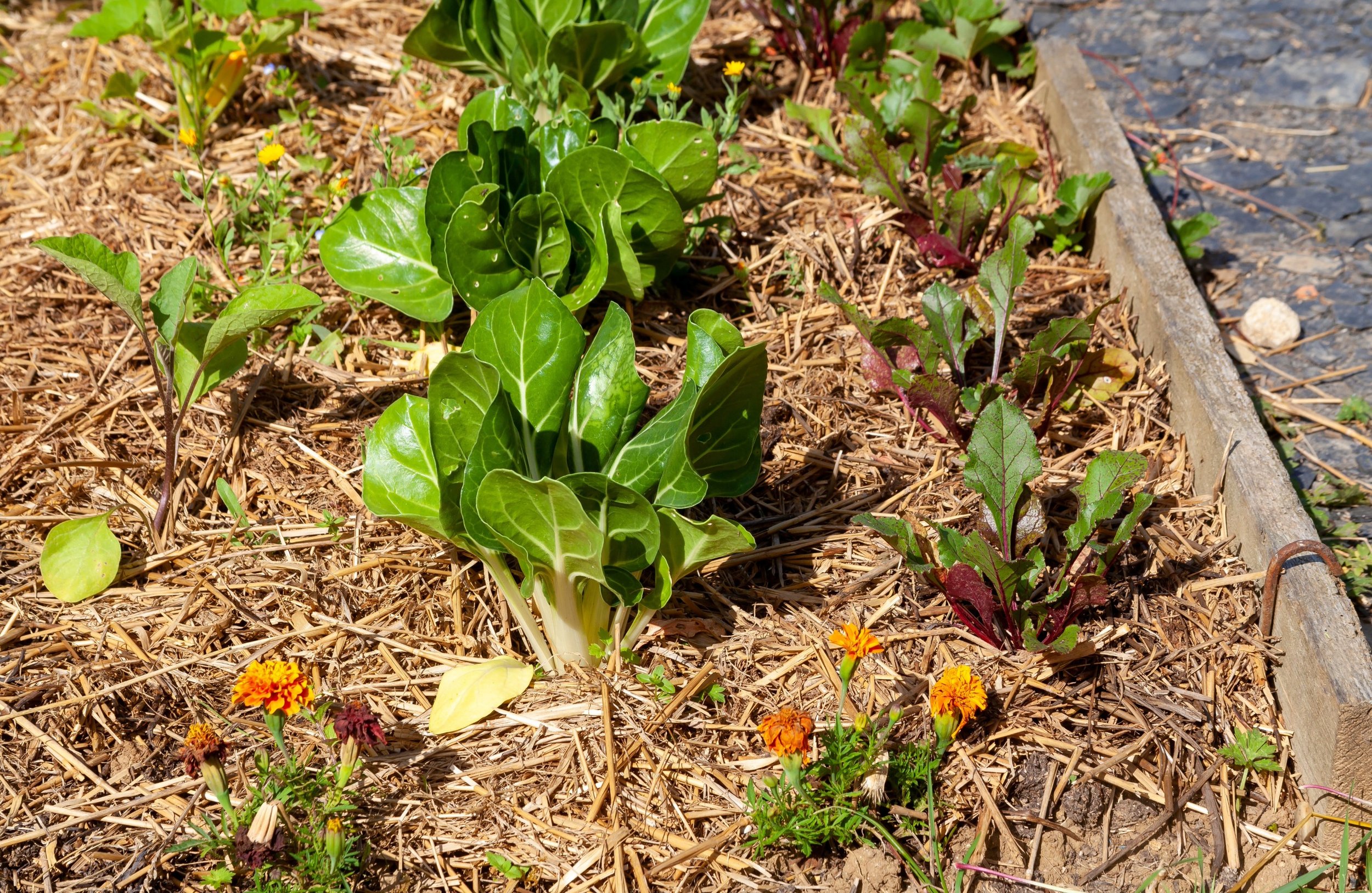
Vegetables need steady moisture to grow well, especially during warm weather. When plants do not receive enough water, growth can slow and leaves may begin to wilt.
Recognising underwatering early usually helps plants recover quickly.
Wilting leaves
Wilting is one of the most common signs of underwatering.
Leaves may droop during warm weather when soil becomes dry.
Watering usually helps plants recover.
Dry soil
Soil that feels dry several centimetres below the surface often means plants need water.
Vegetables usually grow best in soil that stays slightly moist.
Checking soil regularly helps prevent underwatering.
Slow growth
Plants without enough water may grow slowly.
Water helps plants absorb nutrients from the soil.
Regular watering usually improves growth.
Yellow or dry leaves
Underwatering can cause leaves to:
turn yellow
become dry
drop early
Consistent watering often improves leaf health.
You can read more in why vegetable leaves turn yellow.
Container plants dry out faster
Vegetables growing in containers often need more frequent watering.
Compost in containers dries out faster than garden soil.
You can read more in growing vegetables in containers in the UK.
How to fix underwatering
You can usually improve underwatering problems by:
watering more regularly
checking soil moisture during warm weather
watering deeply so roots receive moisture
adding compost to help soil hold water
For general watering advice, see how often to water a vegetable garden.
Preventing underwatering
Most vegetables grow best when:
soil stays evenly moist
watering is adjusted for weather
containers are checked regularly
Regular watering routines help prevent problems.