Signs of Overwatering Vegetables (and How to Fix It)
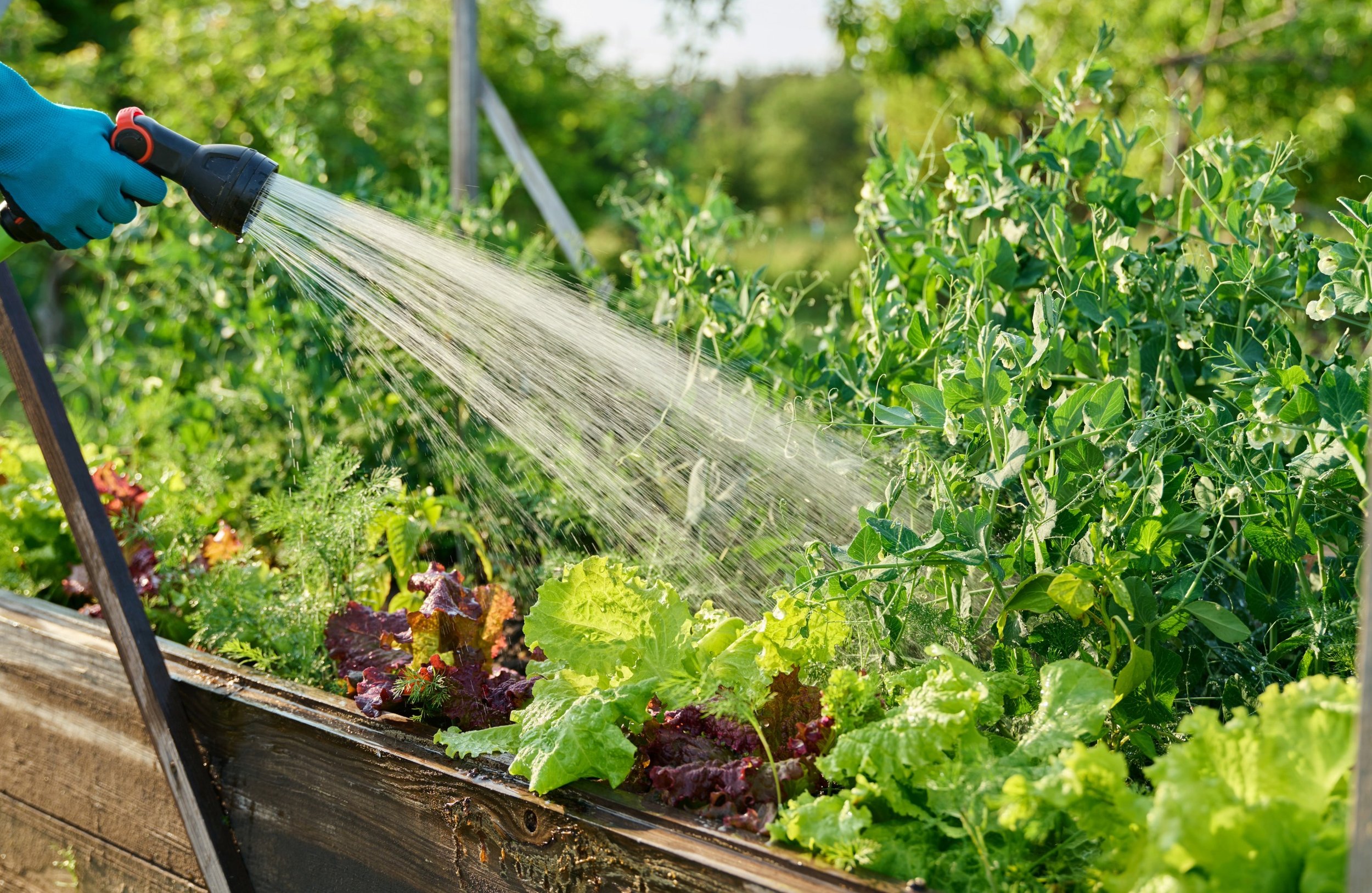
Overwatering is one of the most common problems for beginner gardeners. While vegetables need regular moisture, too much water can damage roots and slow plant growth.
Learning to recognise the signs of overwatering can help keep plants healthy.
Yellow leaves
Yellow leaves are often an early sign of overwatering.
When soil stays too wet, roots struggle to absorb nutrients, which can affect leaf colour.
You can read more in why vegetable leaves turn yellow.
Slow or weak growth
Overwatered plants may grow slowly or stop growing.
Roots need air as well as water, and waterlogged soil can limit oxygen.
Allowing soil to dry slightly between watering often helps.
Wilting despite wet soil
Plants sometimes wilt even when soil is wet.
This can happen because damaged roots cannot absorb water properly.
Checking soil moisture before watering usually prevents this problem.
Soft stems or leaves
Overwatering can cause plant tissue to become soft.
Healthy plants usually feel firm and upright.
Improving drainage often helps.
Soil stays wet for long periods
Soil that never dries out slightly between watering can cause root problems.
Vegetables usually grow best in soil that drains well.
You can read more in best soil for vegetable gardening in the UK.
How to fix overwatering
You can usually improve overwatering problems by:
watering less often
improving soil drainage
checking compost before watering
using containers with drainage holes
Learning watering routines helps plants grow more steadily.
For general watering advice, see how often to water a vegetable garden.
Preventing overwatering
Most vegetables grow best when:
soil stays evenly moist, not wet
containers drain well
watering is adjusted for weather
Checking soil regularly usually prevents problems.