How Often to Water Runner Beans
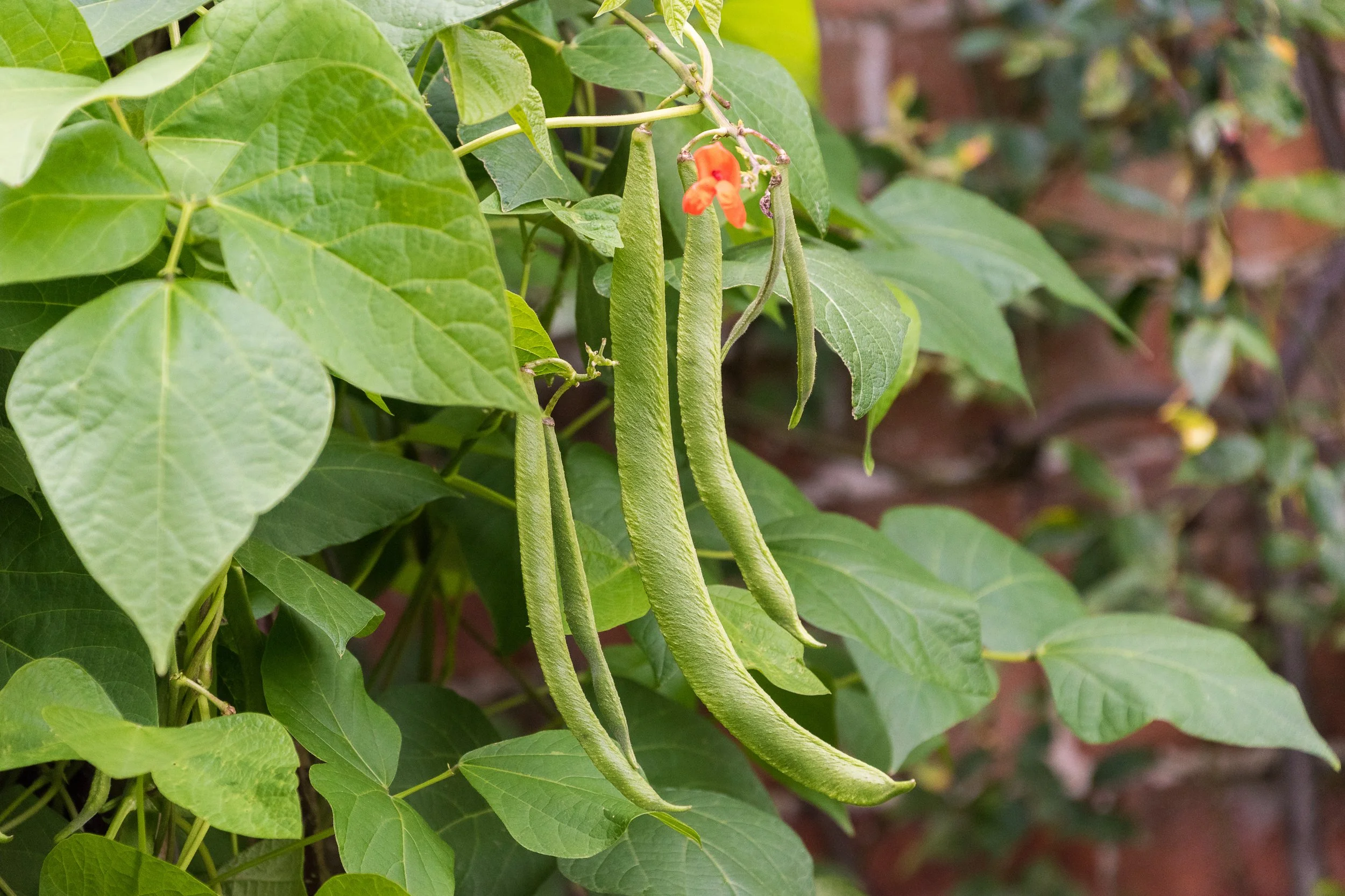
Runner beans are among the thirstiest crops you can grow. A row of tall, leafy plants scrambling up their canes pulls a lot of water out of the ground on a warm day, and the moment the soil dries out, the plants show it by dropping their flowers instead of making beans.
Get the watering right and a few plants will keep you picking from mid-summer until the first frosts.
How often should you water runner beans?
Water runner beans generously in dry weather, and most of all once they start flowering. As a rough guide, give around 5–9 litres per square metre, which is about a full watering can for each metre of row, every three or four days during dry spells. In a heatwave you may need to water more often. Beans in pots can need a drink every day in summer. The goal is soil that never dries out around the roots.
Why watering matters so much for runner beans
With most crops, a dry spell just slows things down. With runner beans, it costs you the harvest. Dry soil is one of the biggest reasons runner bean flowers fall off without forming pods, so a plant can look lush and healthy, covered in red blooms, and still give you very few beans.
Runner bean roots also reach deep into the soil. A light sprinkle from the hose wets the top few centimetres and never gets down to where the roots are doing their work.
A simple watering plan through the season
Planting out to first flowers: water young plants in well when you plant them, and keep them moist while they establish. After that, early summer rain often does the job, but water if the soil dries out.
From the first flowers: step up the watering straight away. This is the stage that decides how many beans you'll get.
Through the picking season: carry on watering steadily all summer. Plants that go short stop cropping, and any pods they do produce tend to be tough and stringy.
Watering runner beans in the ground
Runner beans in open ground mostly need your help when the weather stays dry, and above all once they're in flower. Early in the season, rain may be enough on its own.
When you do water, give the row a long, slow soak along its length so the water sinks right down. Push a finger into the soil beside the canes. If it's dry at that depth, it's time to water.
Pour the water onto the soil along the row, not over the foliage.
Evenings are the best time to water, as the soil stays damp through the night instead of drying out in the sun.
Mulch after a good soak. Once the plants are growing well, spread a thick blanket of well-rotted manure or compost over the moist soil around the canes. It slows evaporation dramatically.
Keep it consistent. A cycle of bone-dry soil followed by a drenching is exactly what makes flowers drop.
Watering runner beans in pots
Beans in pots have a small amount of compost to draw on and a lot of leaf to support, so they dry out fast.
On warm days, check pots every day, and in a heatwave, morning and evening. Water until you see it trickling out of the drainage holes, so the whole root ball gets wet. Once the plants start flowering, a liquid feed every couple of weeks helps them keep producing.
Dwarf varieties are the easiest runner beans to grow in pots. For more, see growing runner beans in containers.
Flowers but no beans?
If your plants are covered in red flowers but few beans, watering is the first thing to check. It's normal for plenty of flowers to drop, and even in a good year many won't turn into pods, but dry soil makes it much worse.
Other common causes include hot nights, which can stop the flowers setting until the weather cools, and a lack of bees in cold, wet or windy weather.
You may have heard that spraying the flowers with water helps them set. It doesn't, and it can put bees off visiting, so water the roots instead.
For more causes and fixes, see why runner beans don't grow
Can you overwater runner beans?
Runner beans love moisture, but they still need air around their roots. In heavy clay that stays soggy, the roots can struggle and plants turn yellow.
If your soil is heavy, dig plenty of organic matter into the bed before planting to help excess water drain away. In containers, make sure the pot has drainage holes and never leave it sitting in a saucer of water.
You can read more in how often to water a vegetable garden
Healthy runner bean growth
For healthy runner beans, the essentials are deep, regular watering, extra attention once the flowers open, a mulch to lock the moisture in, and daily checks for anything in pots.
For growing advice, see how to grow runner beans in the UK
For picking tips, see when to harvest runner beans
Common questions
How often should I water runner beans in hot weather?
In dry weather, water every three or four days, giving each metre of row roughly a full watering can. In a heatwave, or in pots, you may need to water every day. Check the soil a finger's depth down: if it's dry, it's time to water.
Why are my runner beans flowering but not producing beans? The most common cause is dry soil around the roots, especially in hot weather. Hot nights and a lack of bees can also stop flowers forming pods. Water generously along the row and mulch the soil to keep it moist.
Should I spray runner bean flowers with water?
No. Spraying the flowers hasn't been shown to help beans set, and it may put off the bees that pollinate them. Water the soil around the plants instead.
Is it better to water runner beans in the morning or evening?
Evening is best, as the water has time to soak into the soil overnight rather than evaporating in the sun.
Watering amounts based on RHS guidance.