How Often to Water Cauliflower
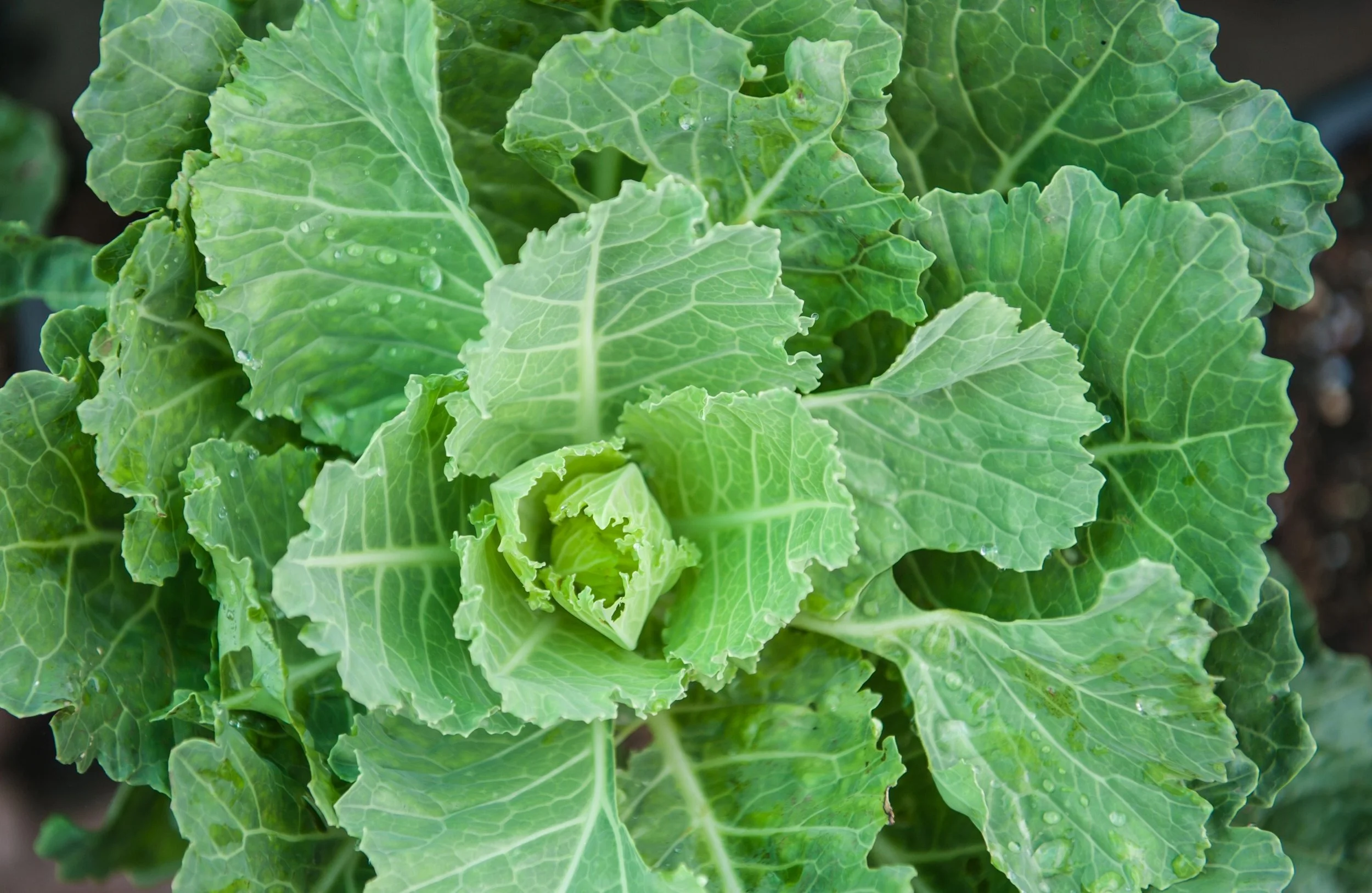
Many gardeners find cauliflowers frustrating, and the reason usually comes down to one thing: they hate being checked. Any interruption to their steady growth, whether from dry soil, a hot spell or a shock at planting, can leave you with a tiny, loose or deformed head instead of a firm white curd. Keeping the water supply steady goes a long way towards preventing it.
Cauliflowers like cool, damp conditions and firm, fertile soil, and they're most sensitive at two points: just after planting out, and while the heads are forming. Get the watering right at those two stages and you're well on the way to a good crop.
How often should you water cauliflower?
Keep the soil around cauliflowers consistently moist from planting to harvest. In dry weather, that usually means a thorough soak every few days for plants in the ground, enough to wet the soil well down, rather than a light daily sprinkle. Plants in pots want looking at almost daily. Above all, avoid the cycle of parched soil followed by a drenching, because that stop-start pattern is what causes problems.
Why steady watering matters: buttoning
When a cauliflower's growth stalls, the plant often switches to flowering early. Instead of a single large head, it produces a small button of curd, or a loose, open head that quickly runs to seed. Gardeners call this buttoning. Thirsty soil is a frequent trigger, along with hot weather, a cold spring, loose soil and transplanting too late.
Once a plant has buttoned, it can't be reversed, so prevention is everything.
The stages that need the most care
Planting out: give young plants a good drink both before and after they go into the ground, then make sure they don't dry out over the following fortnight while their roots take hold. A seedling that dries out just after transplanting is a prime candidate for buttoning.
Leafy growth: the plants build up their big leaves over the following weeks. Keep the soil evenly damp, watering thoroughly in any dry spell.
Head forming: from the moment you see a small curd at the centre, water becomes critical. Keep the soil consistently moist until you cut the head.
Watering cauliflower in garden beds
In a bed, cauliflowers need your help in any dry spell, and never more so than when the curds are developing.
Pour the water slowly around each plant so it soaks in rather than running off. Push your finger into the soil near the plant: if it's dry beneath the surface, it's time to water. A thick layer of compost around the plants helps keep the soil cool and moist, which cauliflowers love.
Watering cauliflower in containers
Cauliflowers can be grown in large pots, but they need a lot of compost and a lot of water to form decent heads. Choose a container as big as you can manage, and a quick-growing summer or mini variety, which copes far better than big winter types.
Feel the compost most days, and every day when it's warm. Water until it drains through, and never let it dry out once the head appears.
For container advice, see growing cauliflower in containers
Watering cauliflower in hot weather
Summer is the hardest time for cauliflowers. They prefer cool weather, and a hot, dry spell can stress them enough to spoil the heads. Water more often in heatwaves, keep the soil mulched, and fold a few of the outer leaves over the developing head to shade it from the sun, which also stops it turning yellow.
Signs of watering problems
Small button heads: growth was checked, often by dry soil, a shock at planting or extreme temperatures.
Loose, open heads that run to seed: stress from heat or dry soil while the head was forming.
Leaves still drooping in the evening: the plant is thirsty.
Yellowing lower leaves and poor growth: soil that stays waterlogged.
For other causes, see why cauliflower doesn't form heads
Avoiding overwatering
Too much water is as bad as too little. Roots sitting in saturated soil can't breathe properly, growth stalls, and a stalled cauliflower is likely to button. Grow them in well-drained, fertile soil, improve heavy ground with organic matter, and make sure pots have drainage holes.
You can read more in how often to water a vegetable garden
Healthy cauliflower growth
Cauliflowers do best with steady, unbroken growth: moist soil from planting to harvest, extra care just after planting out and while the heads form, a mulch to keep the roots cool, and shade for the curds in hot weather.
For growing advice, see how to grow cauliflower in the UK
For timing, see when to plant cauliflower and when to harvest cauliflower
Common questions
How often should I water cauliflower?
When it's dry, give cauliflowers in the ground a deep soaking every few days. Pots usually need checking daily in warm weather. Keep the soil evenly moist, especially while the heads are forming.
Why are my cauliflower heads so small?
Small heads, known as buttoning, happen when the plant's growth is checked. Dry soil is a common cause, as are hot weather, a cold spring, loose soil and transplanting too late. Keeping the soil consistently moist, especially after planting out, helps prevent it.
Do cauliflowers need a lot of water?
Yes. Cauliflowers need steady moisture throughout their life, and more in hot, dry weather. The most critical times are just after planting out and while the heads are forming.
Why is my cauliflower head loose and flowering?
Heat and dry soil while the head is forming can make it loose and open, and it may start to flower. Water regularly in dry weather, mulch to keep the roots cool, and shade the head by folding leaves over it.
Growing advice checked against RHS guidance.