Growing Onions in Containers
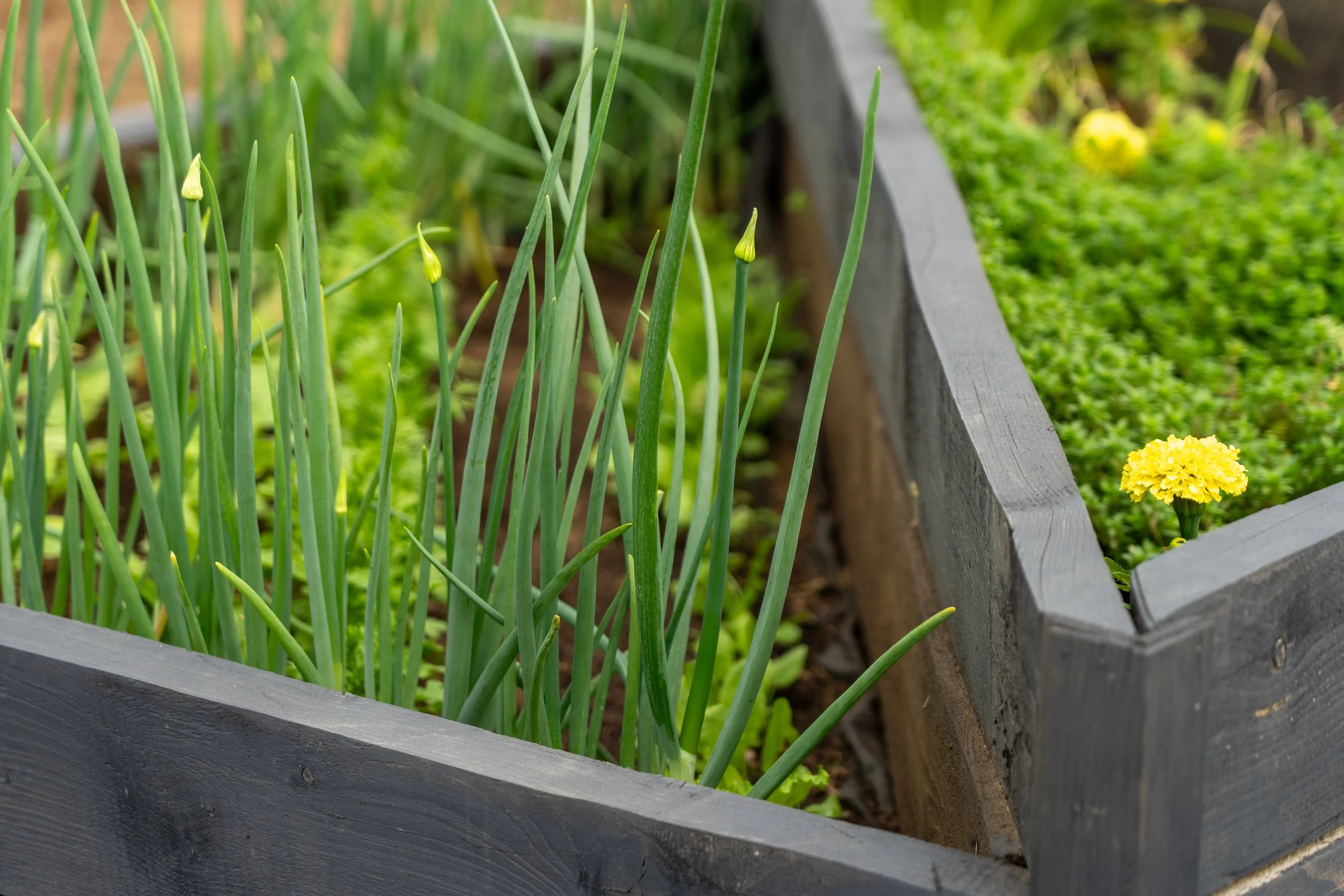
Onions are a great crop for pots if you're short of space or your soil is heavy and wet. A container gives you full control over drainage, which onions love, and it's easy to keep an eye on them on a patio or by the back door. The main thing to know is that bulb onions need more depth than you might expect.
Quick answer
Use a container at least 45 cm wide and 45 cm deep, filled with soil-based compost. Plant sets 10–15 cm apart with their tips just showing, stand the pot in full sun, and water regularly while they grow. Hold back the water when the bulbs are full-sized in summer, then lift them once the foliage yellows and topples.
Choosing a container for onions
The RHS recommends a container at least 45 cm wide and deep for bulb onions. The roots need that depth to support a good-sized bulb, and a bigger volume of compost holds more moisture between waterings.
Good options include:
large pots and planters
deep troughs
big fabric grow bags or tubs
Drainage holes are essential, as onions sitting in wet compost soon rot.
Most window boxes are too shallow for bulb onions. They're perfect for spring onions, though, which are harvested young and need far less depth.
How many onions per pot?
At 10–15 cm apart, keeping the outer ring a few centimetres in from the rim, a 45 cm pot fits around 8 to 10 onions. Fewer sets means bigger bulbs, while a few extra gives you more, smaller ones.
Compost for container onions
The RHS suggests a soil-based compost for onions in containers. It's heavier than multi-purpose compost, holds nutrients for longer and keeps its structure better over a long growing season. If you only have multi-purpose, mix in some grit to help it drain.
You can read more in best soil for vegetable gardening in the UK
Planting onions in pots
Press each set gently into the compost, stopping when only its papery tip is visible. Firm the compost around them and water them in. A net stretched over the pot keeps birds from plucking out the sets while they root.
You can plant at the usual times: spring sets from March to April, or overwintering sets in September and October. Pots are especially useful for autumn planting if your garden soil stays soggy over winter, as long as they're raised on pot feet so they drain freely.
For timing, see when to plant onions in the UK
Watering onions in containers
Compost in pots dries out faster than garden soil, especially in warm, breezy weather. Check it every day or two once the onions are growing, and water whenever the top couple of centimetres feel dry. Direct the water onto the compost, not the foliage.
Once the bulbs stop getting bigger in mid-summer, ease right off so they can ripen and keep.
For watering advice, see how often to water onions
Feeding container onions
Container compost runs short of nutrients over the months onions are growing. A balanced liquid feed every couple of weeks during spring helps keep them growing strongly. Stop feeding once the bulbs start to swell.
Position and sunlight
Onions need as much sun as possible to form good bulbs. Find the brightest corner of the patio or garden, ideally out of the strongest winds.
Harvesting container onions
Container onions are ready when the leaves turn yellow and flop over by themselves, usually from July for spring-planted sets and June for overwintering ones. Empty the pot onto an old sheet and pick out the bulbs, then leave them to dry somewhere airy for about two weeks before storing.
For harvesting advice, see when to harvest onions
For full growing advice, see how to grow onions in the UK
Common questions
What size pot do onions need?
At least 45 cm wide and 45 cm deep for bulb onions. Smaller, shallower containers are better suited to spring onions.
How many onions can I grow in one pot?
Around 8 to 10 sets fit a 45 cm pot at 10 to 15 cm spacing. Planting fewer gives you bigger bulbs.
Can I grow onions in a window box?
They're usually too shallow for bulb onions, but window boxes are ideal for spring onions.
What compost is best for onions in pots?
Soil-based compost is best, as it holds nutrients and keeps its structure over a long season. If using multi-purpose compost, add some grit for drainage.
Growing advice checked against RHS guidance.